When people think about increasing property value, the first instinct is often to renovate—upgrade finishes, replace fixtures, or follow current trends. But not all improvements translate into real returns. In fact, many property upgrades fail to increase value in a meaningful way, leaving owners with higher costs but little to no financial gain.
The difference lies in how design is approached. Thoughtful interior design is not about adding more—it’s about making the right decisions. From layout planning to material selection, every choice plays a role in how a space is perceived, used, and ultimately valued. When done correctly, design becomes a strategic tool—one that enhances both the experience of a space and its market worth.
This is where the concept of measurable impact comes in. Design is no longer just subjective; it directly influences property performance, buyer perception, and long-term return on investment. In this article, we break down how thoughtful design contributes to increased property value—and how to approach your space with clarity, intention, and measurable results.
Understanding Design as a Value Driver
Interior design is often viewed as a finishing layer, but in reality, it is a key factor in determining how a property performs in the market.
A well-designed space:
- Feels more functional and intuitive
- Appeals to a broader range of buyers or tenants
- Requires fewer future modifications
These factors directly influence perceived value. When potential buyers or occupants walk into a space, they assess more than aesthetics—they evaluate usability, comfort, and quality.
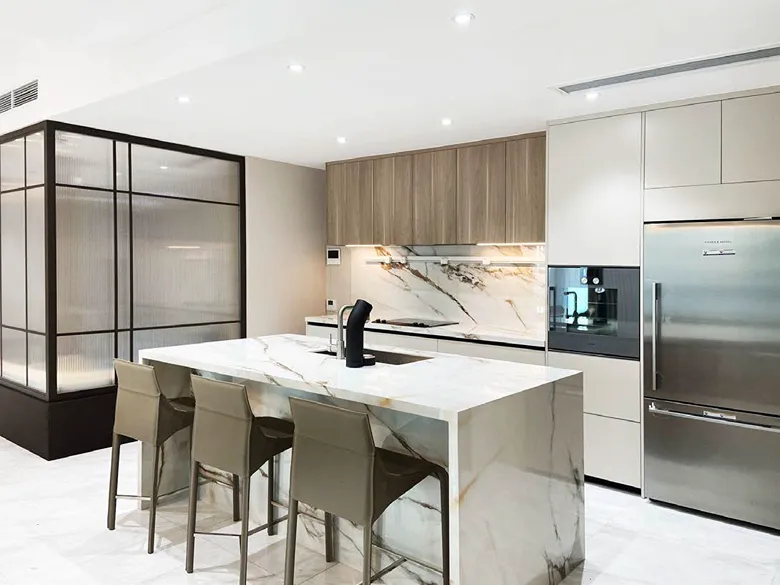
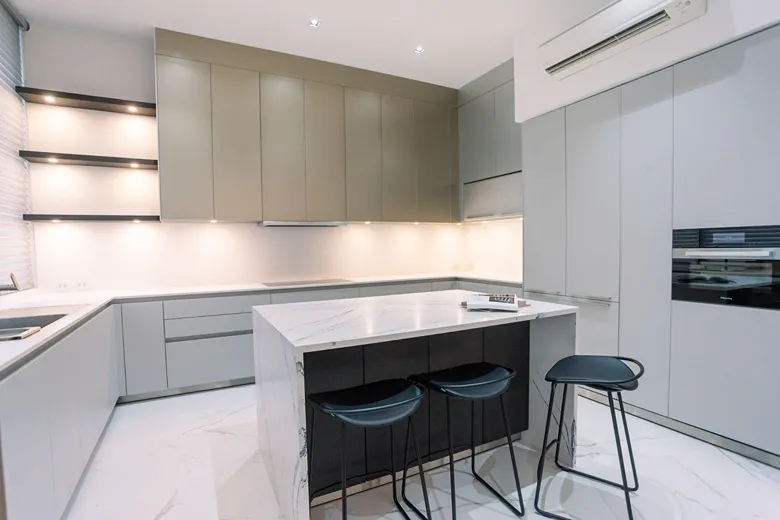
For example, a property with a well-planned layout and cohesive material palette often commands higher interest than one with mismatched finishes or inefficient space planning. The difference is not always about cost, but about clarity and execution.
Before and After: Where Value Is Created
The impact of thoughtful design is most evident in before-and-after transformations. However, the value is not simply in visual improvement—it lies in what has been resolved behind the scenes.
Key areas where design creates measurable value:
1. Space Optimization
Before: Underutilized or awkward layouts
After: Efficient flow and maximized usable space
2. Functional Upgrades
Before: Poor lighting, insufficient storage
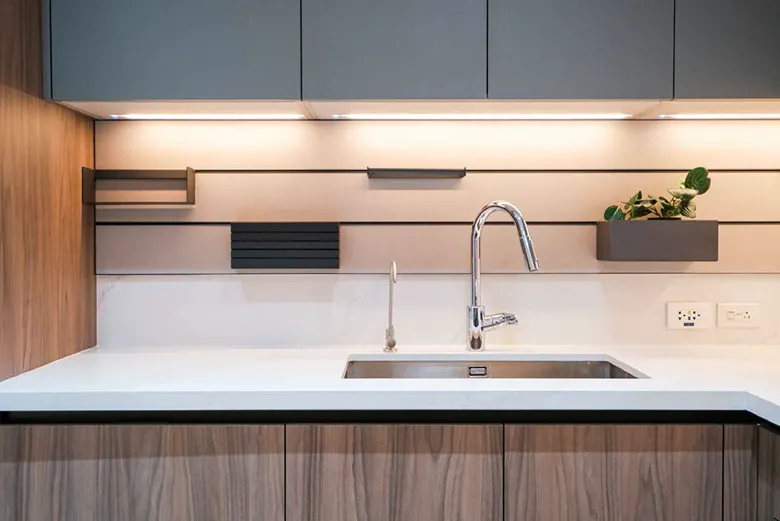
After: Layered lighting, integrated storage solutions
3. Material Consistency
Before: Disjointed finishes and inconsistent quality
After: Cohesive, durable materials that elevate perception
These changes improve not just how a space looks, but how it performs—making it more attractive and practical for end users.
The Financial Impact of Thoughtful Design
Design decisions have direct financial implications, particularly when it comes to resale or rental value.
Properties that are thoughtfully designed tend to:
- Sell faster due to higher appeal
- Command better pricing due to perceived quality
- Require fewer concessions during negotiation
On the other hand, poorly designed spaces often lead to buyer hesitation. Even if the property is structurally sound, design flaws can reduce perceived value.
Consider a scenario where two properties have the same floor area and location. The one with better layout, lighting, and material selection is more likely to achieve a higher price—even if the investment in design was relatively modest.
This is the measurable impact of design: it influences how value is perceived and realized.
Strategic Design Decisions That Increase Property Value
Not all design choices contribute equally to value. The key is to focus on areas that have the greatest impact.
1. Layout and Space Planning
A functional layout is one of the most valuable aspects of any property.
- Ensure smooth circulation between areas
- Avoid wasted or unusable spaces
- Align layout with modern living or working needs
A well-planned layout can significantly improve usability, making the property more attractive to buyers.
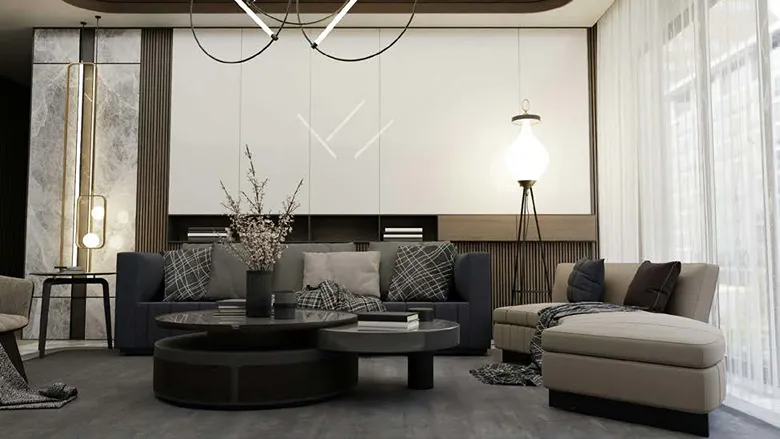
2. Lighting Design
Lighting affects both ambiance and functionality.
- Maximize natural light wherever possible
- Use layered lighting (ambient, task, accent)
- Avoid over-lighting or poorly positioned fixtures
Proper lighting enhances the perception of space, making interiors feel more open and inviting.
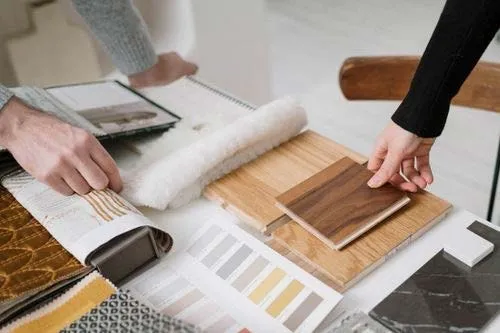
3. Material Selection
Materials communicate quality.
- Choose durable finishes that age well
- Maintain consistency across spaces
- Avoid overly trend-driven choice
High-quality materials not only improve appearance but also reduce maintenance, which adds to long-term value.
4. Storage and Functionality
Storage is often overlooked but highly valued.
- Integrate storage into design early
- Use built-ins to maximize space
- Ensure accessibility and practicality
Functional spaces tend to perform better in the market because they address real user needs.
Common Mistakes That Reduce ROI
While design has the potential to increase value, certain decisions can have the opposite effect.
Avoid the following:
- Over-customization – Designs that are too specific may limit market appeal
- Inconsistent finishes – Mixing styles and materials without cohesion
- Neglecting functionality – Prioritizing aesthetics over usability
- Cutting corners on quality – Leading to faster deterioration
These mistakes often result in lower perceived value, even if the initial investment was high.
Designing for Longevity and Market Appeal
To maximize ROI, design must balance personalization with universality.
A property should:
- Reflect a refined, timeless aesthetic
- Adapt to different users or lifestyles
- Maintain quality over time
This does not mean creating generic spaces. Instead, it means making intentional design choices that enhance appeal without limiting flexibility.
For example, neutral palettes combined with well-chosen textures can create a sophisticated look that appeals to a wide audience while still feeling curated.
A Practical Approach to Value-Driven Design
For property owners and investors, the goal is to approach design with strategy rather than assumption.
Steps to consider:
1. Define Your Objective
- Is the property for resale, rental, or personal use?
- Each objective requires a different design approach
2. Focus on High-Impact Areas
- Living spaces, kitchens, and bathrooms often drive value
- Allocate resources where they matter most
3. Plan Before Executing
- Resolve layout, lighting, and materials early
- Avoid making changes during construction
4. Prioritize Quality Over Quantity
- Invest in fewer, better elements
- Avoid unnecessary additions that don’t add value
Taking a structured approach ensures that every decision contributes to the overall performance of the property.
Thoughtful design is one of the most effective ways to elevate property value—but only when approached with clarity and intention. Beyond aesthetics, it addresses how a space functions, how it is perceived, and how it performs over time.
By focusing on layout, lighting, material selection, and long-term usability, property owners can create spaces that not only look refined but also deliver measurable returns. Avoiding common pitfalls and prioritizing strategic decisions ensures that design investments translate into real value.
If you’re considering a property upgrade, take a step back and evaluate your approach. The goal is not just to improve how a space looks—but to enhance what it’s truly worth.