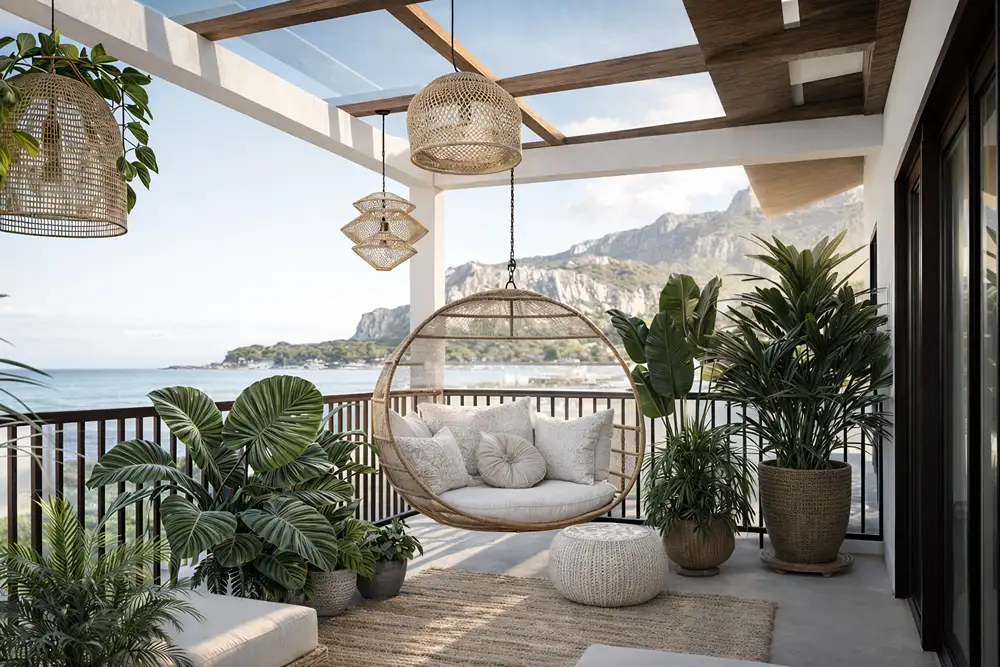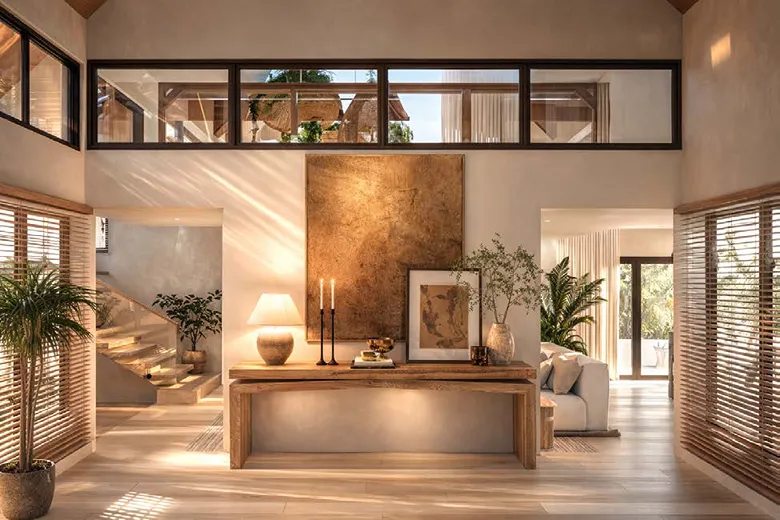
Designing a home in the Philippines requires more than choosing what looks current. The climate is warm, the light is strong, and the way people live is deeply shaped by comfort, hospitality, and connection to the outdoors. Yet many interiors still follow imported design trends that may look polished in photographs but often feel disconnected from the realities of tropical living.
This is where the tropical modern interior in the Philippines becomes more than a visual style. It is a practical design approach rooted in climate, materiality, and everyday function. It blends the warmth and openness of tropical living with the clean lines and restraint of modern design—creating spaces that are not only refined, but comfortable, efficient, and built for the local environment.
Done well, tropical modern interiors feel calm, breathable, and enduring. They respond to heat, humidity, and natural light without sacrificing clarity or sophistication. More importantly, they create homes that support how people actually live in the Philippines: open, relaxed, and connected to both nature and daily life.
What Defines Tropical Modern Interior in Philippines
A tropical modern interior balances two key principles: climate responsiveness and modern restraint.
The tropical aspect is rooted in openness, airflow, natural materials, and a strong connection to outdoor living. The modern aspect introduces cleaner lines, simpler forms, and a more disciplined approach to proportion and detail.
Together, they create interiors that feel:
- Open but controlled
- Warm but uncluttered
- Natural but refined
- Comfortable without excess
This is what makes tropical modern design particularly relevant in the Philippines. It is not simply aesthetic. It is responsive.
Why Tropical Modern Design Works in the Philippine Climate
The Philippine climate demands interiors that perform well under heat, humidity, and strong daylight.
This is one of the biggest reasons tropical modern design works so well locally. It naturally supports comfort by working with the environment rather than against it.
Key design responses include:
- Maximized natural ventilation
- Controlled solar exposure
- Breathable materials
- Open spatial planning
- Reduced heat retention
A well-designed tropical modern home stays brighter, cooler, and more comfortable throughout the day—not because of excessive mechanical systems, but because the design itself is resolved properly.
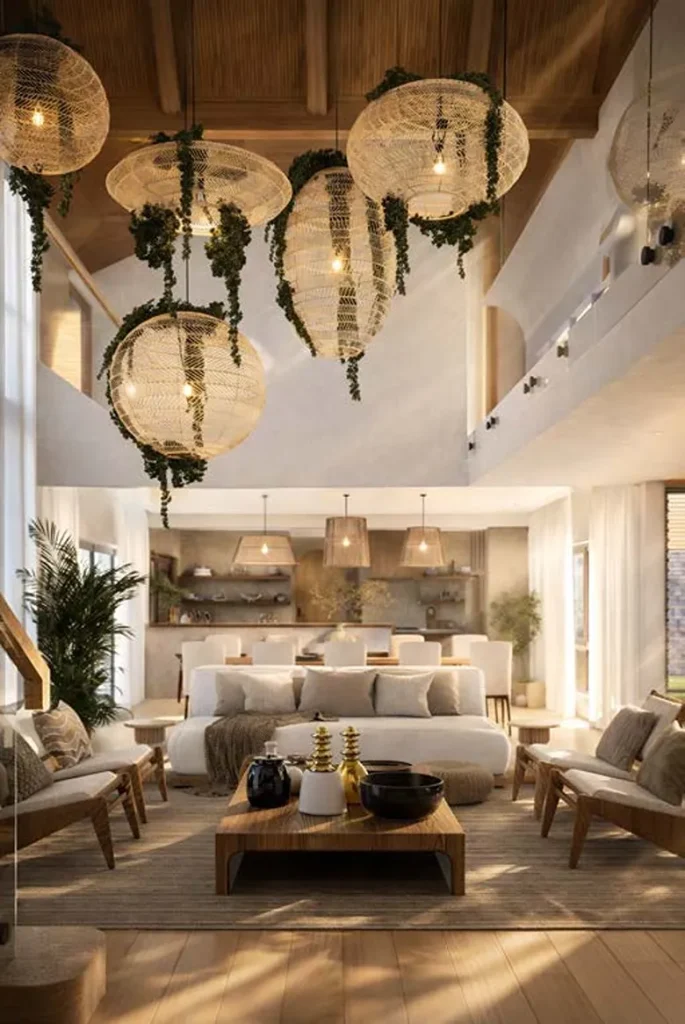
Natural Ventilation as a Design Priority
Airflow is one of the most important elements in tropical living.
In many homes, comfort is often over-reliant on air-conditioning. While cooling systems are necessary, the layout should first support natural ventilation wherever possible.
Tropical modern interiors often improve airflow through:
- Larger window openings
- Cross ventilation between opposite sides of the home
- Open-plan transitions between shared spaces
- Minimal visual and physical obstruction
This allows air to move more freely through the home, reducing heat buildup and improving comfort throughout the day.
Material Selection for Tropical Living
Materiality plays a significant role in how a home feels and performs in the Philippine climate.
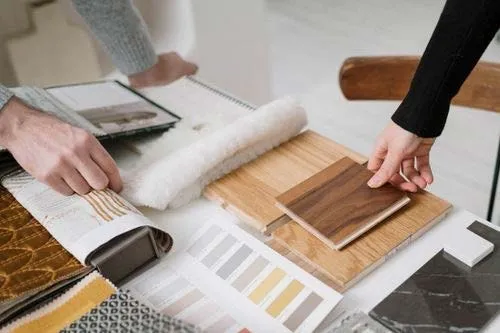
In tropical modern interiors, materials are selected not only for appearance, but for how they respond to heat, moisture, and long-term use.
Common choices include:
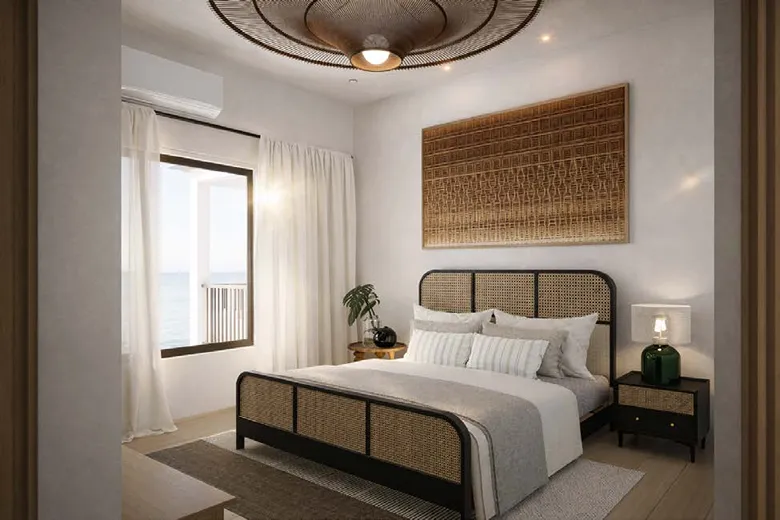
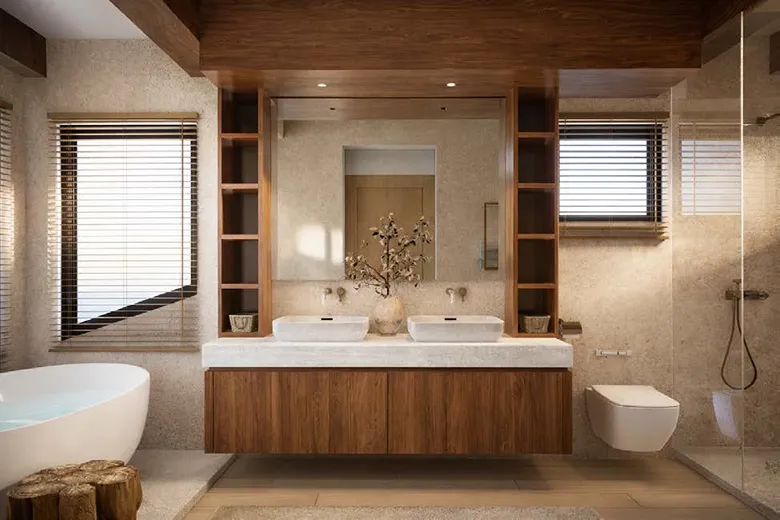
- Natural wood for warmth and texture
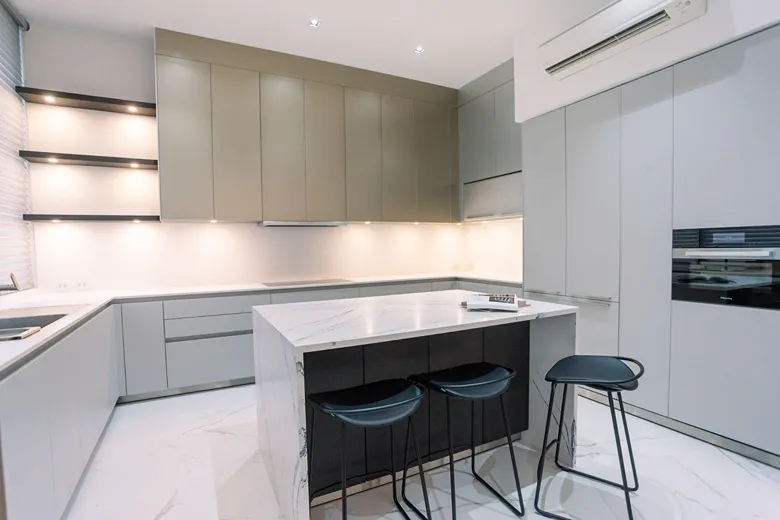
- Stone or porcelain for cooling surfaces
- Linen and cotton for breathable softness
- Rattan, cane, and woven finishes for lightness and ventilation
These materials create warmth without heaviness and texture without visual excess.
More importantly, they age well in tropical conditions when selected and detailed properly.
The Role of Light in Tropical Modern Interiors
Natural light is one of the defining characteristics of tropical modern design.
The goal is not simply to make the space brighter, but to make light more usable and comfortable throughout the day.
This often means:
- Maximizing daylight through larger openings
- Softening glare with screens, sheers, or layered shading
- Positioning openings to capture light without excessive heat gain
In tropical interiors, light should be controlled—not harsh, overexposed, or visually fatiguing.
When handled properly, it creates interiors that feel open, calm, and naturally balanced.
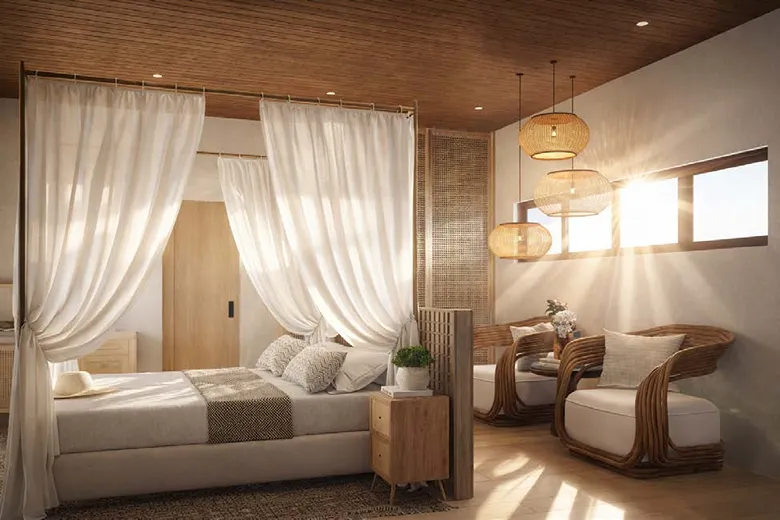
Open Planning Without Losing Control
Open layouts are common in tropical homes, but openness should not mean lack of structure.
One of the strengths of tropical modern interiors is the ability to maintain openness while still creating order.
This is done through:
- Defined spatial zoning
- Controlled sightlines
- Consistent material transitions
- Clear circulation paths
The result is a home that feels open and breathable, yet still composed and intentional.
This balance is what separates tropical modern design from interiors that simply feel unfinished or overly exposed.
Indoor-Outdoor Connection
One of the strongest characteristics of tropical modern living is the relationship between indoor and outdoor space.
In the Philippines, this connection is not just desirable—it is part of how homes naturally function.
Tropical modern interiors often support this through:
- Sliding or expansive openings
- Transitional spaces like patios or covered terraces
- Natural continuity between indoor and outdoor materials
- Integrated planting and landscape views
This creates a softer boundary between architecture and nature, making the home feel more open, grounded, and livable.
A More Refined Approach to Warmth
Warmth in tropical modern design is not created through excess ornament or heavy layering.
It comes from:
- Material honesty
- Soft tonal contrast
- Controlled texture
- Balanced proportions
This creates warmth that feels calm rather than decorative.
The space does not need to be filled to feel complete. It needs to be resolved.
That distinction is what gives tropical modern interiors their enduring quality.
Common Mistakes in Tropical Modern Design
While tropical modern interiors appear effortless, they require discipline to execute properly.
Common mistakes include:
- Overusing wood, making the space feel heavy
- Large glass openings without solar control
- Open layouts with poor zoning
- Decorative tropical styling without climate-responsive planning
The result is often a space that looks tropical, but performs poorly.
True tropical modern design is not about visual cues alone. It is about how space works in real conditions.
How to Approach Tropical Modern Interior Design Properly
To create a well-resolved tropical modern interior in the Philippines, focus on these principles:
1. Design for airflow first
Support natural ventilation before relying entirely on cooling systems.
2. Control light, not just brightness
Prioritize comfort, glare reduction, and thermal balance.
3. Choose materials for climate
Select finishes that age well in heat and humidity.
4. Keep the palette warm but restrained
Use natural tones, soft contrast, and minimal visual noise.
5. Create openness with structure
Open planning should still feel controlled and intentional. When these principles are aligned, the result is a home that feels both refined and deeply livable.
A well-executed tropical modern interiorin the Philippines is not simply a design preference—it is a practical response to climate, lifestyle, and long-term comfort. By combining modern restraint with tropical sensibility, this approach creates homes that feel lighter, cooler, and more connected to how people actually live.
The strength of tropical modern design lies in its balance. It is open without being exposed, warm without excess, and refined without feeling disconnected from nature. When approached with clarity and discipline, it becomes more than a visual style—it becomes a more intelligent way to live in the Philippine setting.
For homeowners seeking interiors that feel enduring, breathable, and grounded in place, tropical modern design remains one of the most relevant approaches today.