When a home begins to feel outdated, inefficient, or no longer aligned with the way you live, the natural next step is to improve it. But before selecting finishes or planning upgrades, one question must be resolved early: does the home need a renovation, or does it require a full gut rehabilitation?
While the two terms are often used interchangeably, they represent very different levels of work. A renovation updates what already exists. A gut rehabilitation rethinks the space from its core. Choosing the wrong approach can lead to unnecessary cost, delayed construction, and missed opportunities to correct deeper issues hidden behind walls, ceilings, and finishes.
This is where clarity matters. Understanding the difference between home gut rehabilitation vs. renovation helps homeowners make better decisions before construction begins. It allows the scope to match the actual condition of the property, the long-term goals of the household, and the level of investment the space truly requires. The right approach is not always the bigger one—it is the one that solves the right problem from the beginning.
Understanding the Difference Between Home Gut Rehabilitation vs. Renovation
The difference between a renovation and a gut rehabilitation lies in scope, depth, and what is being corrected.
A renovation improves an existing home without completely stripping it down. It focuses on updates, refinements, and selective improvements while retaining most of the existing structure.
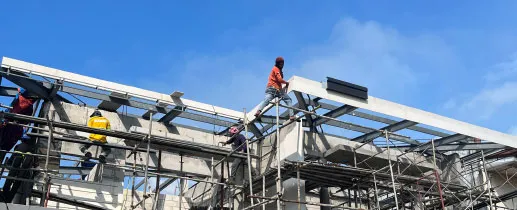
A gut rehabilitation, on the other hand, is a full interior reset. It involves stripping the home back to its core shell, often removing partitions, ceilings, flooring, finishes, and outdated systems so the space can be rebuilt properly.
In simple terms:
- Renovation improves what is already there
- Gut rehabilitation rebuilds what no longer works
This distinction matters because each approach solves a different type of problem.
What a Home Renovation Typically Involves
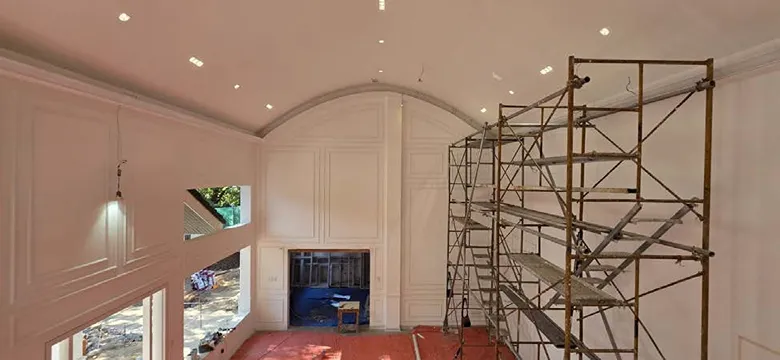
A renovation is best for homes with a workable layout and sound existing systems, but which need updating.
This often includes:
- Repainting walls and ceilings
- Replacing flooring or finishes
- Updating cabinetry
- Changing lighting fixtures
- Upgrading bathrooms or kitchens
- Minor layout improvements
A renovation is often the right solution when the home still functions well, but feels visually dated or lacks refinement.
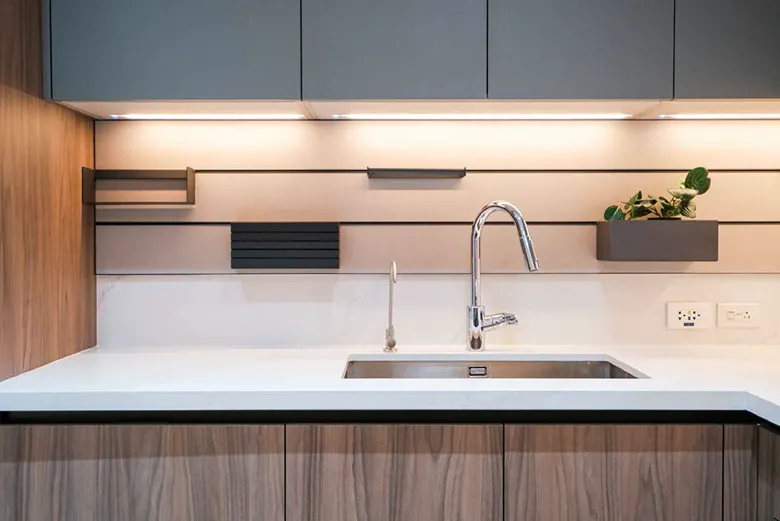
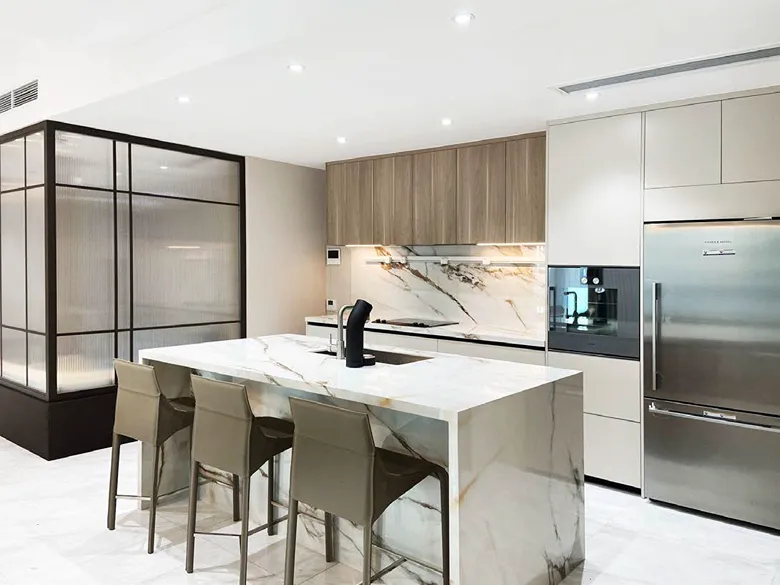
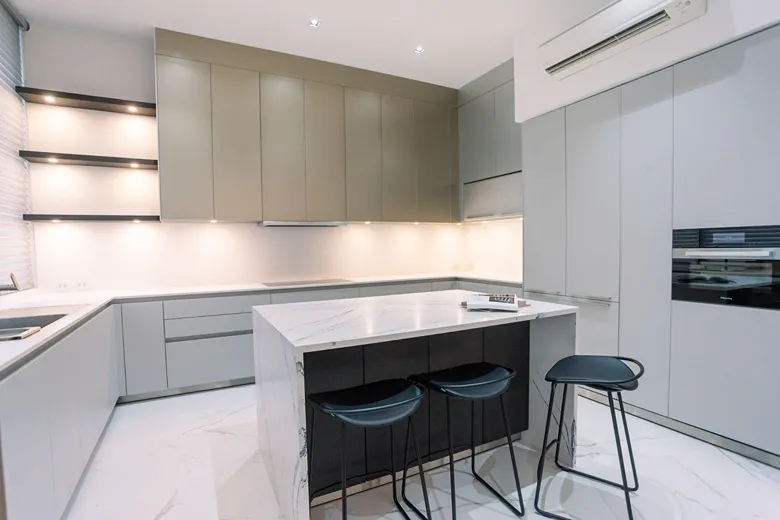
For example, if a kitchen layout is still efficient but the cabinetry, lighting, and surfaces feel outdated, a renovation can improve both appearance and usability without rebuilding the entire space.
This approach is typically:
- Less invasive
- Faster to complete
- More cost-controlled upfront
However, it is still limited by the structure and systems already in place.

What a Home Gut Rehabilitation Typically Involves
A gut rehabilitation is more extensive. It is used when the existing home no longer supports how the space should function.
This often includes:
- Demolishing non-structural interior partitions
- Reworking room layouts and circulation
- Replacing flooring, ceilings, and wall finishes
- Upgrading plumbing and electrical systems
- Rebuilding kitchens, bathrooms, and built-ins
- Correcting long-term structural or planning inefficiencies
This approach is often necessary in:
- Older homes with outdated systems
- Inherited properties
- Homes with poor layouts
- Properties that have undergone years of piecemeal modifications
A gut rehabilitation allows deeper issues to be corrected—issues that cosmetic renovation alone cannot solve.
It is not simply a visual upgrade. It is a full recalibration of how the home works.
How to Know Which One Your Home Needs
The right choice depends on what problem you are actually solving.
A home likely needs a renovation if:
- The layout still works well
- Storage is adequate
- Plumbing and electrical systems are still reliable
- The issue is primarily visual or cosmetic
A home likely needs a gut rehabilitation if:
- The layout feels inefficient
- Circulation is poor
- The home lacks proper storage
- Systems are outdated or overloaded
- Multiple areas need correction at once
A simple way to assess it: If the problem is mostly what you see, it may be a renovation.
If the problem is how the home works, it likely needs gut rehabilitation.
Cost: Upfront Savings vs. Long-Term Value
Many homeowners assume renovation is always the more practical financial decision because it costs less upfront.
This is true in the short term. Renovation is often more budget-friendly at the beginning because it retains much of what already exists.
But cost should not be measured only by what is spent today. It should also be measured by what may need to be corrected later.
A renovation may become more expensive over time if:
- Existing systems fail after cosmetic upgrades
- Poor layouts remain unresolved
- Hidden issues are discovered during construction
- Additional corrections are needed later
A gut rehabilitation costs more upfront, but it often delivers greater long-term value because it solves the underlying problem in one coordinated scope.
In many cases, the more expensive mistake is not doing too much—it is doing too little.
Why Planning Matters More Than Scope
Whether a home undergoes renovation or full gut rehabilitation, the success of the project depends less on size and more on planning.
Most costly mistakes happen not because the scope was too large, but because decisions were made too late.
Common problems include:
- Starting construction before layouts are finalized
- Selecting finishes before systems are coordinated
- Revising plans mid-construction
- Discovering conflicts too late
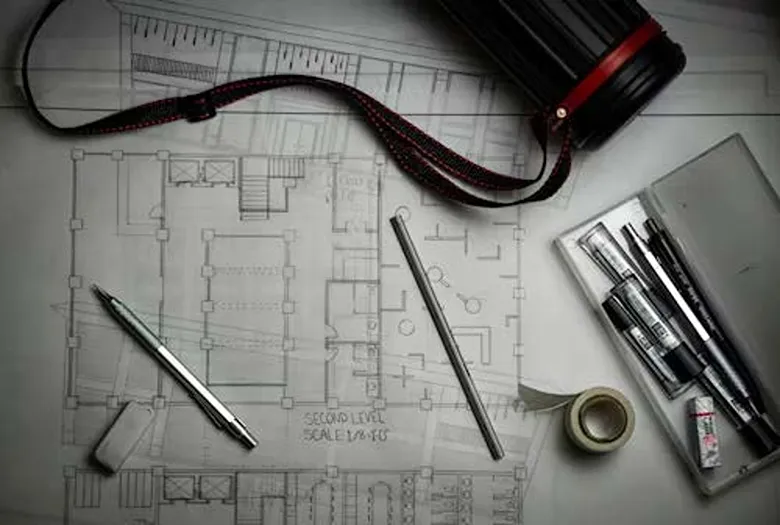
This is where design becomes critical.
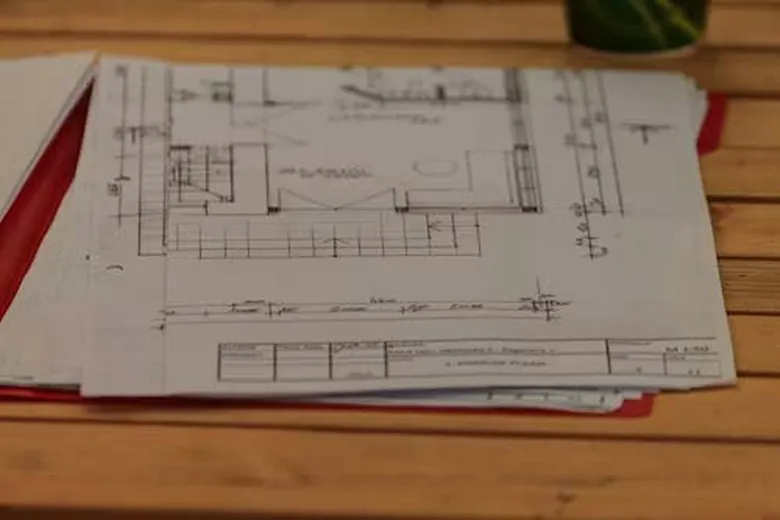
A structured design process helps determine:
- what should be retained
- what should be removed
- what should be corrected
- what level of intervention is actually necessary
Without this clarity, even a small renovation can become expensive.

Common Mistakes Homeowners Make
When deciding between home gut rehabilitation vs. renovation, homeowners often make the same avoidable mistakes:
Choosing based on budget alone
Lower upfront cost does not always mean better long-term value.
Upgrading finishes without correcting layout
New materials cannot solve poor planning.
Keeping outdated systems to reduce cost
This often creates larger problems later.
Starting construction too early
Without complete decisions, delays and rework become more likely.
The most effective projects are not defined by how much was spent, but by how clearly the work was resolved before it began.
Which Option Adds More Long-Term Value?
Both approaches can improve a home, but they create different outcomes.
A renovation is ideal when the home already works and simply needs refinement.
A gut rehabilitation creates more long-term value when the home requires deeper correction—because it allows:
- full layout optimization
- systems upgrades
- improved functionality
- longer material lifecycle
- better long-term performance
In other words, renovation improves what exists.
Gut rehabilitation improves what the home is capable of becoming.
Understanding home gut rehabilitation vs. renovation is less about terminology and more about making the right decision before work begins. While both approaches improve a home, they solve different problems and deliver different long-term outcomes.
A renovation is best when the space already functions well and only needs updating. A gut rehabilitation is the better path when deeper issues—layout, systems, or long-term usability—need to be corrected properly.
The goal is not to choose the larger scope. It is to choose the right one. When approached with clarity and proper planning, both can create meaningful improvement. The difference lies in knowing whether the home