In a time marked by uncertainty—rising costs, shifting routines, and a faster pace of daily life—our homes are expected to do more than ever. They are no longer just places to rest; they have become workspaces, gathering areas, and personal retreats all at once. Yet many interiors were never designed with this level of flexibility or comfort in mind.
As a result, homeowners often find themselves living in spaces that feel disconnected from their daily needs. Layouts feel restrictive, storage is insufficient, and environments that once seemed adequate now feel overwhelming or inefficient. The challenge is not always about making major changes, but about rethinking how a space supports everyday living.
This is where designing for comfort becomes essential. It is not about excess or decoration—it is about creating spaces that feel intuitive, functional, and calming. By focusing on thoughtful planning, practical adjustments, and intentional design choices, it is possible to transform interiors into environments that truly support daily life, even in changing times.
Understanding Comfort Beyond Aesthetics
Comfort in interior design is often associated with soft furnishings or visual warmth. While these elements contribute, true comfort goes deeper—it is about how a space functions and feels throughout the day.
A comfortable home should:
- Support daily routines without friction
- Provide areas for both activity and rest
- Feel visually and physically balanced
For example, a living room may look well-designed but feel uncomfortable if seating is poorly arranged or lighting is too harsh. Comfort is achieved when form and function work together seamlessly.
Designing for comfort means considering not just how a space looks, but how it performs in real-life situations.
Designing for Everyday Living in Changing Times
As lifestyles evolve, so do the demands placed on our spaces. Homes now accommodate multiple roles, often simultaneously.
Common challenges include:
- Limited space for work-from-home setups
- Overlapping functions in shared areas
- Lack of privacy in multi-occupant households
To address these, design must become more adaptive.
Practical strategies:
- Create zoned spaces within open areas (e.g., work corner within a living room)
- Use furniture placement to define functions without building walls
- Introduce flexible elements such as foldable desks or movable partitions
These solutions allow spaces to evolve without requiring major structural changes.
The Role of Layout in Creating Comfortable Spaces
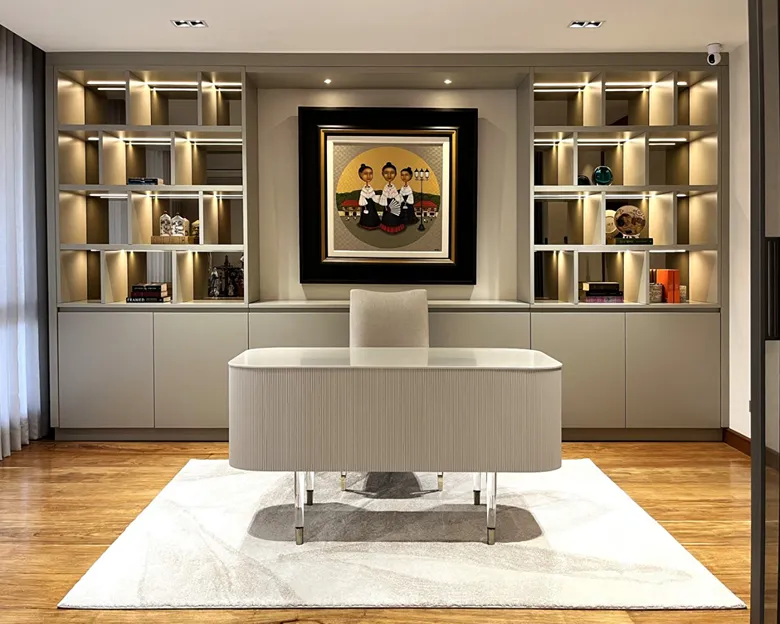
Layout is one of the most influential factors in everyday comfort. A well-planned layout allows for smooth movement and efficient use of space.
Key considerations:
- Clear pathways for movement
- Logical placement of furniture
- Balanced proportions between open and occupied areas
A common issue in many homes is overcrowding—too much furniture in limited space. This restricts movement and creates visual clutter.
Simple improvements:
- Remove unnecessary pieces
- Prioritize essential furniture
- Allow breathing room between elements
A more open and organized layout often results in a more comfortable and calming environment.
Managing Visual and Physical Clutter
Clutter is one of the biggest barriers to comfort. It affects both the appearance of a space and how it feels to live in.
In times of stress or uncertainty, a cluttered environment can amplify discomfort.
Ways to manage clutter effectively:
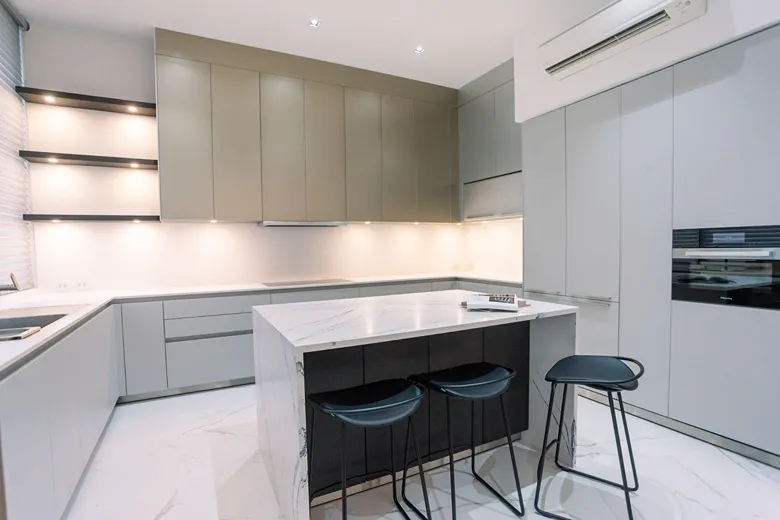
- Integrate built-in storage solutions
- Use multi-functional furniture (e.g., storage benches, hidden compartments)
- Regularly assess and remove unused items
Designing with storage in mind from the beginning prevents clutter from becoming an ongoing issue.
A well-organized space supports clarity and ease in daily living.
Lighting: Creating a Comfortable Atmosphere
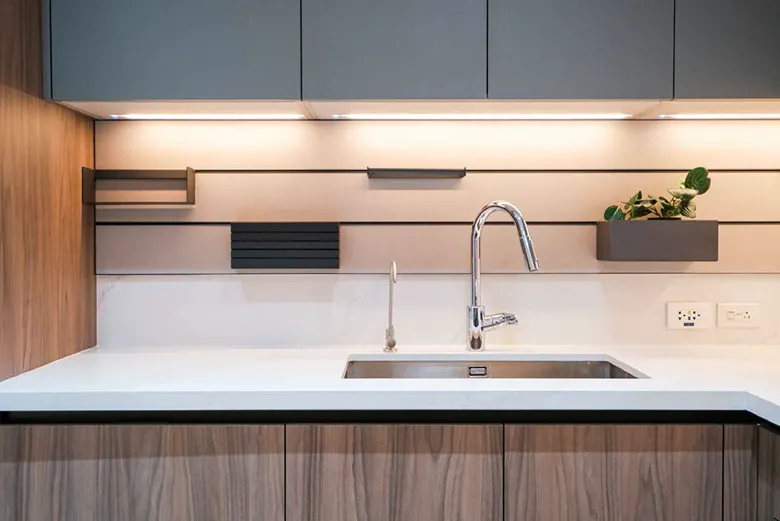
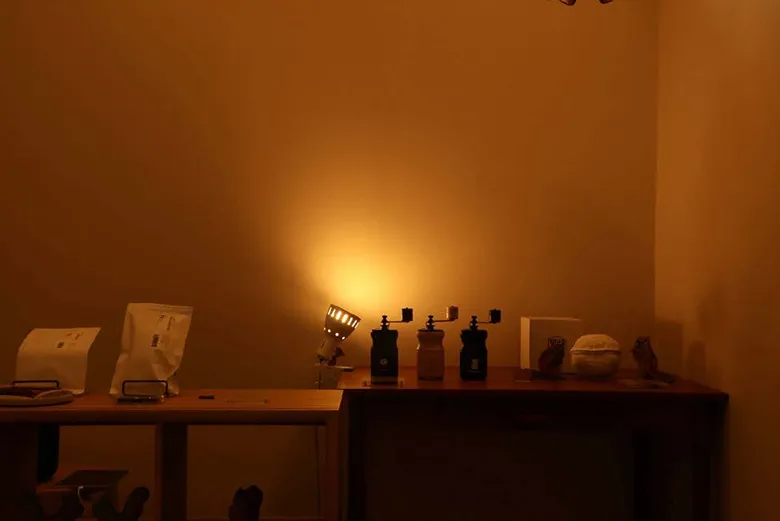
Lighting plays a crucial role in how a space feels. Poor lighting can make even well-designed interiors feel uncomfortable.
Principles of effective lighting:
- Combine natural and artificial light
- Use layered lighting (ambient, task, accent)
- Avoid overly bright or harsh lighting
For example, relying solely on overhead lighting can create a flat and uncomfortable environment. Adding task lighting for specific activities and softer ambient lighting for relaxation creates a more balanced atmosphere.
Natural light should also be maximized wherever possible, as it enhances mood and reduces reliance on artificial sources.
Material Choices That Support Comfort
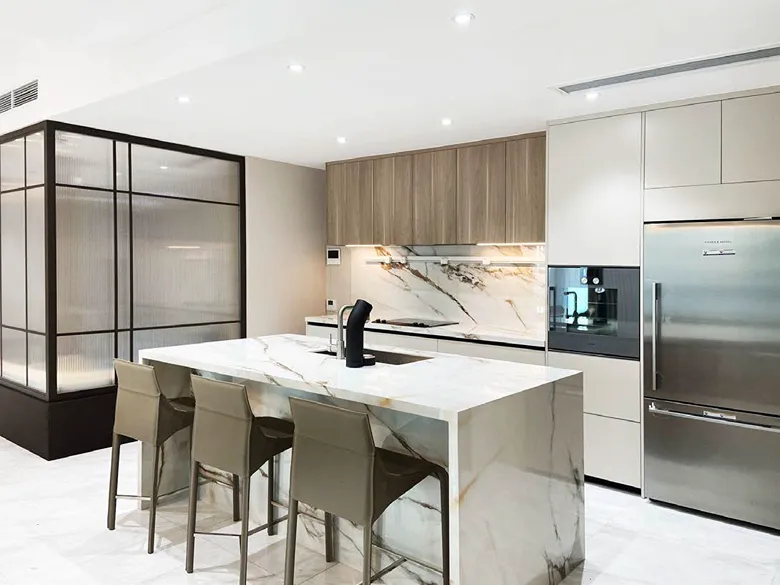
Materials influence both the tactile and visual experience of a space. The right materials can make an interior feel warm, inviting, and easy to maintain.
Consider the following:
- Soft textures for seating and upholstery
- Durable finishes for high-traffic areas
- Neutral tones that create a calming environment
In the Philippine context, materials should also respond well to humidity and heat. For instance, breathable fabrics and moisture-resistant finishes can improve comfort in tropical conditions.
Choosing materials that are both practical and pleasant to use ensures long-term comfort.
Designing for Emotional Well-Being
Comfort is not only physical—it is also emotional. A well-designed space can influence mood, reduce stress, and promote a sense of stability.
Elements that support well-being:
- Balanced color palettes
- Access to natural light and ventilation
- Personal touches that reflect identity
For example, incorporating familiar objects or meaningful decor can make a space feel more personal and grounding. At the same time, maintaining visual simplicity prevents overstimulation. Designing with emotional well-being in mind creates spaces that feel supportive, especially during uncertain times.
Adapting Without Major Renovation
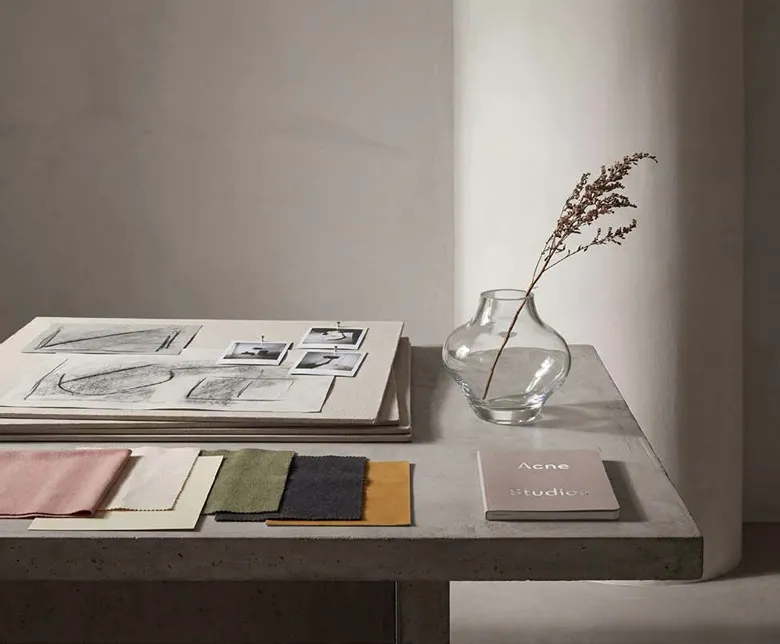
One of the biggest concerns for homeowners today is cost. Fortunately, improving comfort does not always require large-scale renovation.
Small changes with significant impact:
- Rearranging furniture to improve flow
- Updating lighting fixtures or adding lamps
- Introducing textiles such as rugs or curtains for warmth
Even minor adjustments can enhance how a space functions and feels.
The key is to focus on high-impact changes that align with daily needs rather than making unnecessary upgrades.
Creating a Home That Evolves With You
A truly comfortable home is one that can adapt over time. As needs change, the space should be able to respond without requiring constant redesign.
Design for adaptability by:
- Choosing flexible furniture and layouts
- Avoiding overly fixed or rigid configurations
- Planning for future adjustments
For instance, a dining area can be designed to accommodate both everyday meals and occasional gatherings. This flexibility ensures that the space remains relevant as lifestyles shift.
Designing for adaptability reduces the need for frequent changes, making the home more sustainable in the long run.
A Practical Framework for Designing for Comfort
To create a space that supports everyday living, consider the following approach:
1. Assess Your Daily Routine
- Identify how each area is used
- Note any challenges or inefficiencies
2. Prioritize Function
- Focus on layout, storage, and lighting
- Ensure that the space supports daily activities
3. Simplify the Environment
- Reduce clutter
- Choose fewer, more purposeful elements
4. Enhance Comfort Gradually
- Implement changes step by step
- Evaluate what works and adjust as needed
This structured approach allows for thoughtful improvements without overwhelming the process.
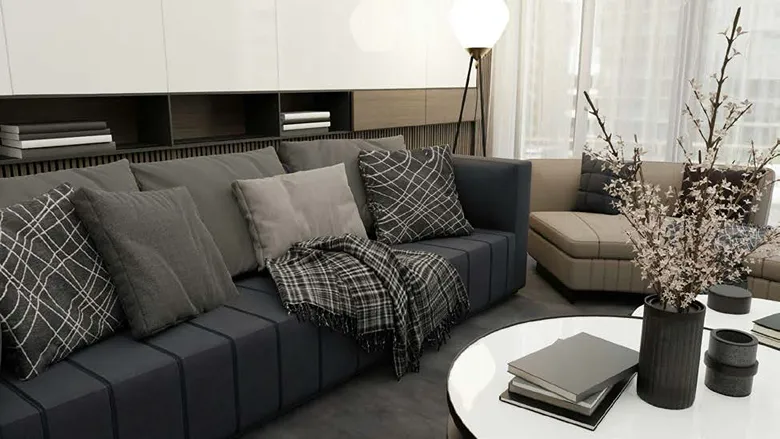
Designing for comfort is about creating spaces that truly support the way we live—especially in times of change. It goes beyond aesthetics, focusing on functionality, adaptability, and emotional well-being. By addressing layout, lighting, materials, and organization, it is possible to transform interiors into environments that feel intuitive and calming.
The goal is not to achieve perfection, but to create a space that works consistently and comfortably over time. Even small, intentional changes can make a significant difference in how a home is experienced daily.
As you consider your own space, take a step back and evaluate how it supports your needs. Designing with comfort in mind is not just a response to current challenges—it is a long-term approach to better living.