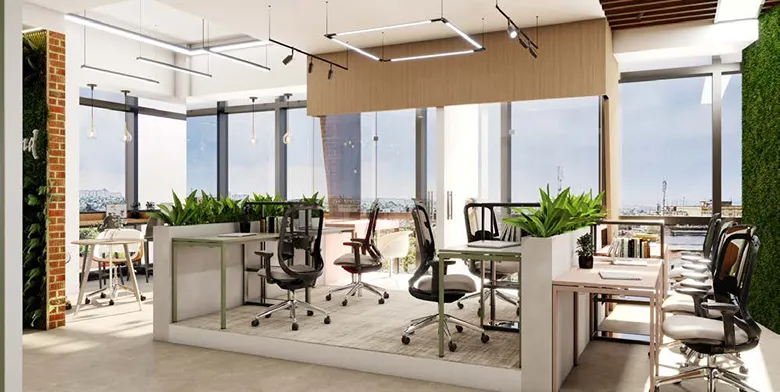
The modern workplace is evolving—but not always efficiently. Many corporate spaces today still operate on outdated layouts, excessive energy consumption, and design decisions that prioritize appearance over performance. The result? Rising operational costs, underutilized spaces, and environments that fail to support how people actually work.
As businesses adapt to hybrid work, shifting team structures, and increasing pressure to reduce overhead, office design must evolve beyond aesthetics. It needs to be refined in execution, efficient in operation, and flexible enough to meet future demands. This is where a more strategic approach comes in—one that integrates planning, energy-smart decisions, and long-term functionality from the outset.
A future-ready office is not defined by trends, but by how well it performs over time. In this article, we explore how thoughtful design can transform corporate spaces into environments that reduce costs, improve productivity, and remain relevant for years to come.
Rethinking the Modern Workplace
The traditional office model—fixed workstations, enclosed rooms, and rigid layouts—is no longer aligned with how teams operate today.
Businesses now require spaces that support:
- Collaboration and focused work
- Flexibility for changing team sizes
- Efficient use of available floor area
However, many offices still rely on static layouts that lead to wasted space and limited adaptability.
A refined approach to office design starts by questioning how space is used. Instead of designing for occupancy alone, it considers movement, behavior, and workflow. This ensures that every square meter contributes to productivity and efficiency.
The Cost of Inefficient Office Design
Poorly designed offices don’t just affect aesthetics—they impact business performance.
Common inefficiencies include:
- Over-lit spaces that increase electricity consumption
- Poor ventilation, leading to higher cooling requirements
- Underutilized areas that still incur operational costs
These issues often go unnoticed because they are built into the design itself. Over time, however, they contribute to unnecessary expenses.
For example, an office with excessive artificial lighting may consume significantly more energy than needed, especially if natural light is not maximized. Similarly, poorly zoned air-conditioning systems can result in uneven cooling, forcing systems to work harder.
Addressing these inefficiencies at the design stage is far more cost-effective than correcting them later.
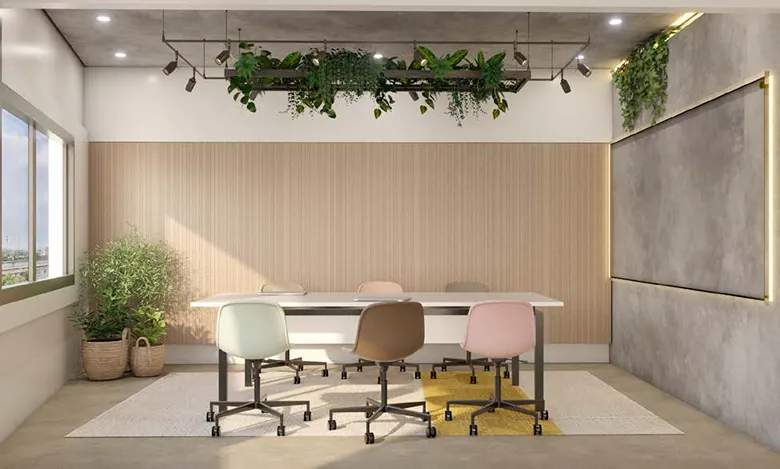
Designing for Efficiency from the Ground Up
Efficiency in office design is not achieved through a single solution—it is the result of multiple coordinated decisions.
Key areas to focus on:
1. Space Planning
A well-planned layout ensures that space is used effectively. This includes:
- Allocating zones for different types of work
- Reducing unnecessary circulation areas
- Designing flexible workstations that can adapt over time
2. Lighting Strategy
Lighting should be both functional and efficient:
- Maximize natural light wherever possible
- Use task lighting instead of over-lighting entire spaces
- Incorporate energy-efficient fixtures such as LEDs
3. Mechanical Coordination
Aligning design with building systems is essential:
- Optimize air-conditioning zones based on usage
- Ensure proper airflow and ventilation
- Avoid over-specifying systems that increase energy consumption
When these elements are aligned, the result is a workspace that operates efficiently without compromising comfort.
Energy-Smart Office Design: A Practical Approach
Energy-smart office design focuses on reducing energy consumption through intentional design choices.
Practical strategies include:
- Positioning workstations near natural light sources
- Using materials that minimize heat absorption
- Incorporating shading solutions to control sunlight
For instance, glass partitions can be used to allow light to travel deeper into the space, reducing the need for artificial lighting. At the same time, proper shading prevents heat gain, maintaining thermal comfort.
Energy efficiency is not about limiting design—it is about making informed decisions that balance aesthetics and performance.
Flexibility: Designing for Change
One of the defining characteristics of future-ready offices is flexibility.
Workplace needs can change rapidly. Teams grow, departments shift, and work styles evolve. A rigid design can quickly become outdated, leading to costly renovations.
Designing for flexibility involves:
- Modular furniture systems that can be reconfigured
- Multi-functional spaces that serve different purposes
- Open layouts that allow easy adaptation
For example, a meeting room can double as a collaborative workspace, or a breakout area can be used for informal discussions. This reduces the need for additional space while increasing usability.
Flexibility ensures that the office remains relevant, even as business needs change.
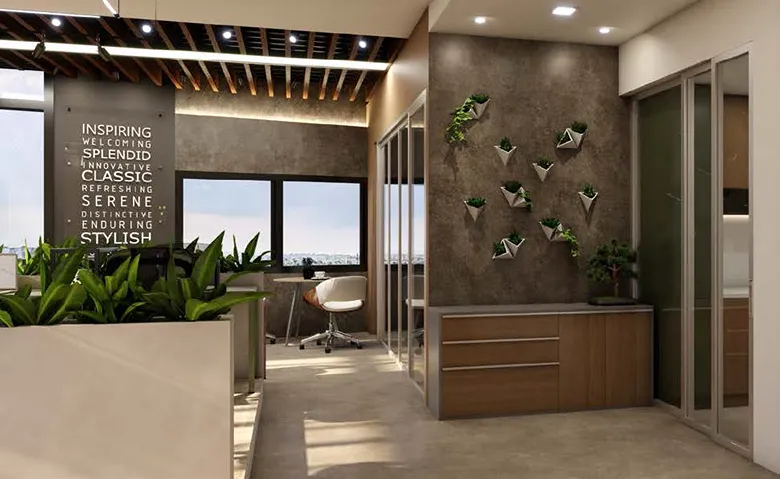
Material Selection and Long-Term Performance
Materials play a critical role in both durability and efficiency.
In corporate environments, where usage is high, materials must be selected based on:
- Durability and resistance to wear
- Ease of maintenance
- Long-term performance
Smart material choices:
- High-quality laminates or finishes that resist scratches
- Carpet tiles that can be replaced individually
- Acoustic panels that improve sound quality while enhancing design
Choosing durable materials reduces maintenance costs and extends the lifespan of the space. It also ensures that the office maintains a professional appearance over time.
Supporting Productivity Through Design
An efficient office is not just about reducing costs—it is about supporting people.
Design influences how employees feel and perform within a space. Factors such as lighting, acoustics, and layout directly impact productivity.
Key considerations:
- Provide a balance between collaborative and quiet zones
- Incorporate ergonomic furniture for comfort
- Use design elements that reduce noise and distractions
For example, open offices without acoustic control can lead to reduced concentration. Introducing sound-absorbing materials or designated quiet areas can significantly improve focus. A well-designed office supports both efficiency and employee well-being.
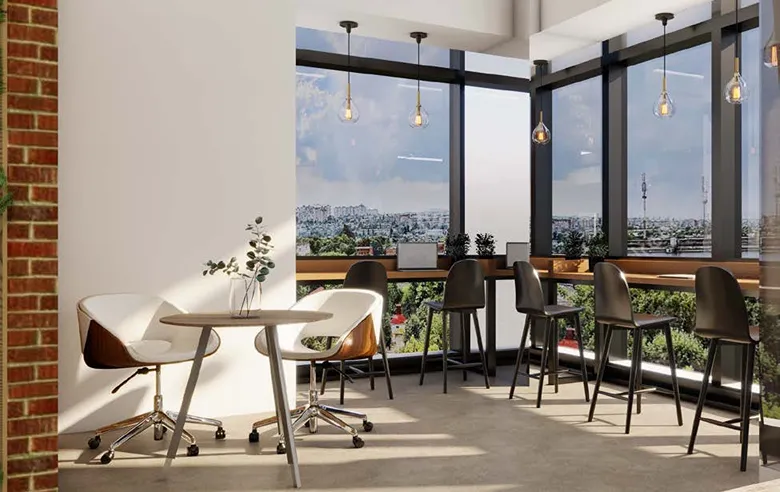
Technology as an Enabler, Not a Solution
Technology plays an important role in modern office design, but it should not replace good planning.
Smart systems can:
- Automate lighting and temperature controls
- Monitor energy usage
- Improve overall building efficiency
However, these systems are most effective when integrated into a well-designed environment.
For instance, automated lighting systems can reduce energy use, but only if the layout and lighting strategy are already optimized. Without proper design, technology becomes an added cost rather than a solution.
Creating a Future-Ready Workplace
A future-ready office is one that balances refinement, efficiency, and adaptability.
To achieve this, focus on:
- Planning with intention – Resolve design decisions early
- Designing for performance – Prioritize efficiency and functionality
- Investing in durability – Choose materials that last
- Allowing for flexibility – Prepare for future changes
This approach ensures that the office is not only relevant today, but capable of evolving with the business.
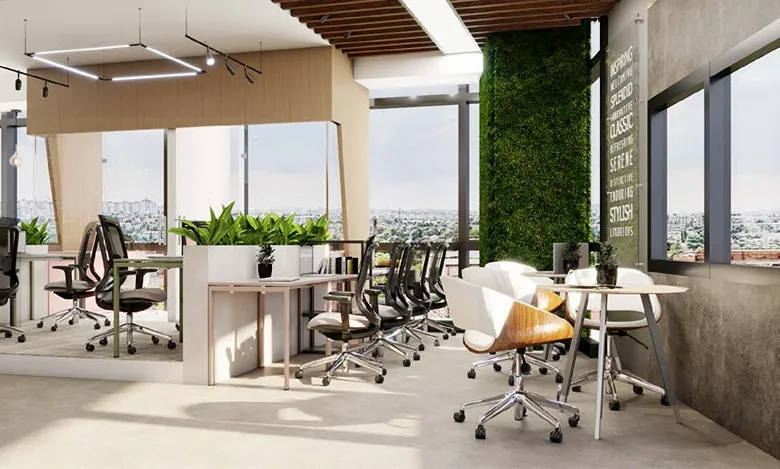
The standard for office design is changing. Businesses can no longer afford spaces that are visually appealing but operationally inefficient. A refined, efficient, and future-ready office is one that performs consistently—supporting both business objectives and employee needs.
By focusing on thoughtful planning, energy-smart strategies, and adaptable design, companies can reduce costs, improve productivity, and create work environments that stand the test of time.
As you evaluate your current or upcoming workspace, consider how each design decision contributes to long-term performance. A well-designed office is not just a workplace—it is a strategic asset.