Luxury is more than a price tag or a brand label. For discerning homeowners and high-end clientele, true luxury lies in the details, the materials, and the experience a space offers. A truly luxurious home doesn’t just look expensive—it feels curated, personal, and timeless. But how exactly do you achieve that feeling of elevated comfort and class through interior design?
Many homeowners, even those ready to invest heavily, find themselves unsure about where to begin. They want a home that not only reflects their success but also enhances their day-to-day living. The good news is that luxury can be intentionally crafted. By focusing on the right design elements and principles, your space can embody elegance, exclusivity, and sophistication.
In this article, we’ll walk you through the seven defining features that set luxury home interiors apart, helping you understand what makes high-end design so distinctive—and how you can bring it into your own living space.
Bespoke and Customized Design
One of the cornerstones of high-end interior design is customization. Luxury homes are never one-size-fits-all. Every element, from the layout to the smallest finish, is tailored to reflect the owner’s taste, lifestyle, and story.
Custom-built furniture, personalized layouts, and bespoke millwork all communicate exclusivity. Unlike mass-produced pieces, bespoke elements elevate the uniqueness of a space.
- Work with a designer who understands your personal style.
- Incorporate custom cabinetry, tailored upholstery, or one-of-a-kind art pieces.
- Emphasize craftsmanship and attention to detail in every corner.
The goal? A home that feels like no other.
Material Selection
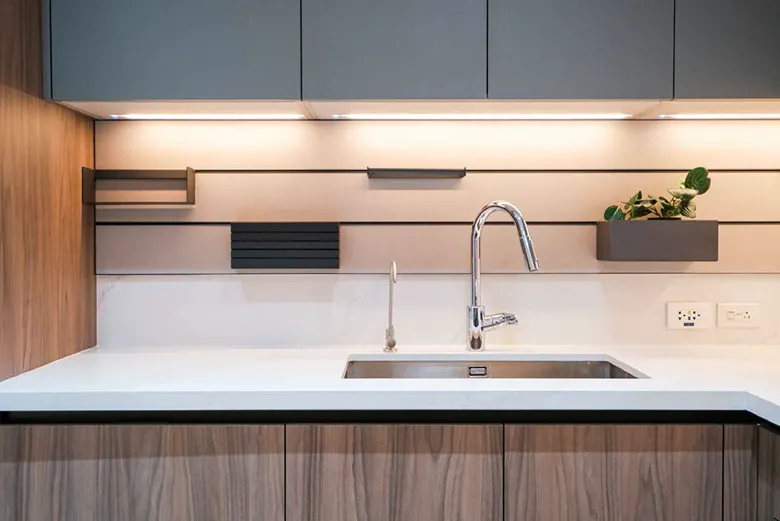
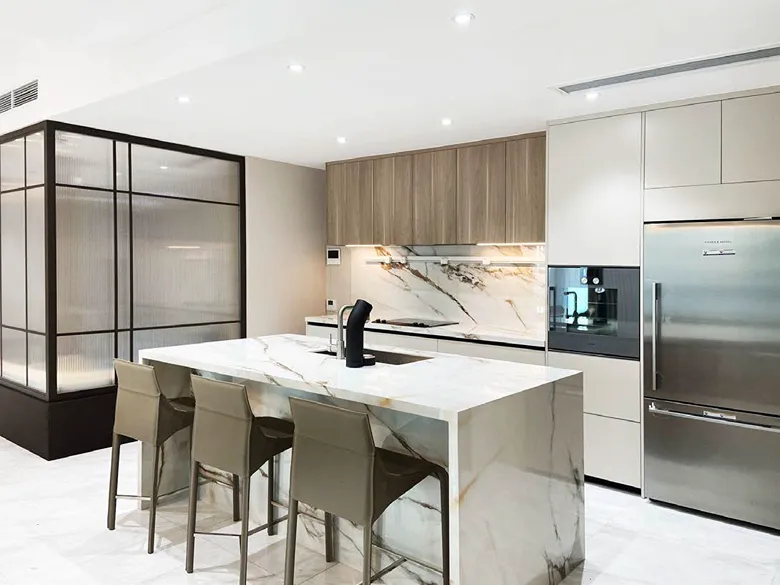
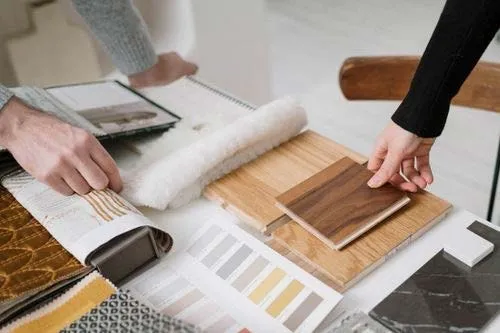
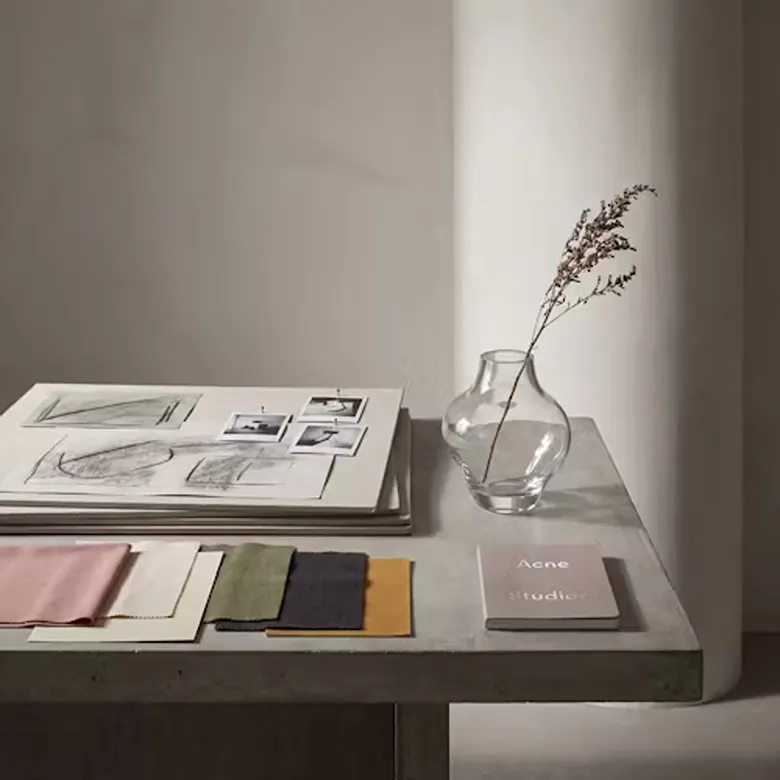
High-end design relies on materials that are not only visually stunning but also enduring in quality. Think natural stone, fine hardwoods, brushed metals, and artisan glass.
Luxury is rooted in tactility and longevity. When a home features Carrara marble countertops, French oak flooring, or handcrafted tiles, the space instantly exudes refinement.
- Prioritize quality over trend-driven choices.
- Blend textures—smooth marble against raw wood or polished brass against soft leather.
- Choose sustainable luxury materials that age gracefully.
Quality finishes are a silent indicator of sophistication.
Architectural Details and Structural
What distinguishes high-end interiors from basic ones is often architectural integrity. Molding, coffered ceilings, archways, or wall paneling introduce depth and elegance that mass-market homes often lack.
Luxury design doesn’t shy away from structure—it embraces and enhances it.
- Add layered ceiling designs or detailed crown moldings.
- Use archways or column-style transitions between spaces.
- Emphasize symmetry, proportion, and flow in the layout.
These features create a sense of permanence and grandeur.
Spatial Planning
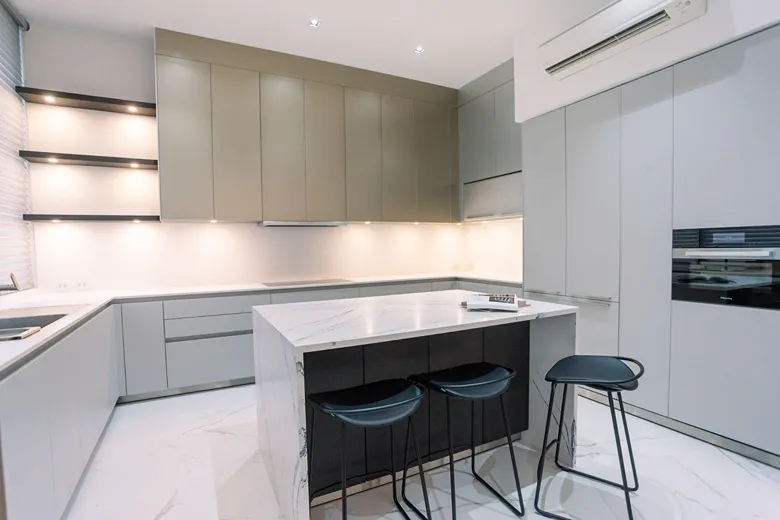
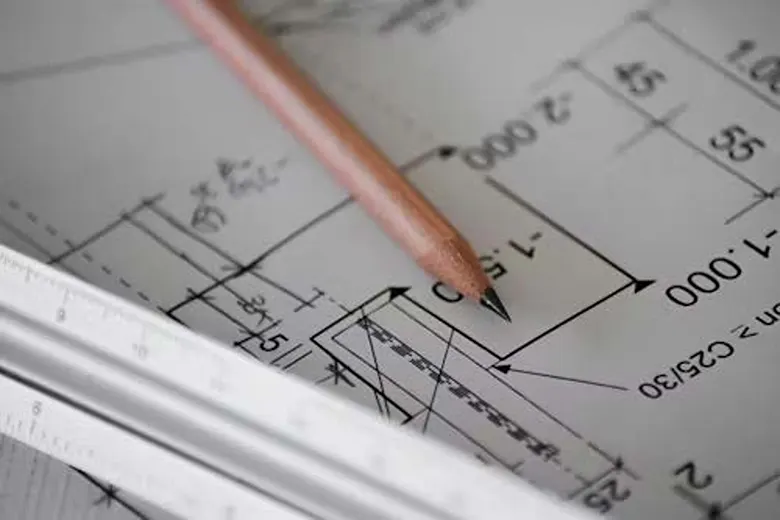
In luxury homes, space is not just abundant—it’s intentional. Flow, scale, and proportion matter. Each room serves a purpose and transitions seamlessly into the next.
High-end design considers how the homeowner lives daily, hosting guests, relaxing, or working.
- Define spaces clearly but keep the layout open and harmonious.
- Design for functionality without sacrificing beauty.
- Avoid cluttered layouts; instead, focus on visual breathing space.
This level of thoughtfulness enhances comfort and usability without compromising elegance.
Lighting as an Art Form
Lighting in luxury interiors goes beyond illumination—it shapes atmosphere. The right combination of natural light, architectural lighting, and decorative fixtures adds layers of mood and drama.
A high-end home doesn’t rely on a single ceiling light. It uses a strategic mix:
- Layer ambient, task, and accent lighting.
- Install dimmers for customizable ambiance.
- Use sculptural chandeliers, wall sconces, and hidden cove lighting for effect.
Light creates emotion. Done right, it transforms an ordinary space into an unforgettable experience.
Curated Art and Decor
In luxury homes, every decor piece has a purpose. Art isn’t just decoration—it’s a focal point. Accessories are chosen with intent, not added as afterthoughts.
- Invest in original artwork or limited-edition pieces.
- Use statement furniture and sculptural decor to spark conversation.
- Keep styling minimal but meaningful.
This curated approach keeps the design elegant, never overwhelming.
Smart Integration of Technology
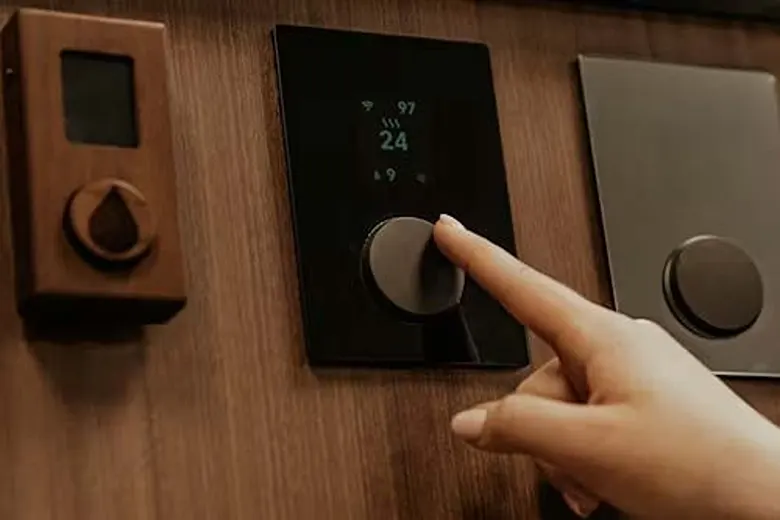
Today’s high-end homes seamlessly integrate advanced technology without sacrificing aesthetic appeal. From hidden speakers and motorized blinds to fully automated lighting and climate control systems, modern luxury is also about convenience.
- Conceal tech within the design—mirrored TVs, flush-mounted controls, and hidden wiring.
- Use smart systems that can be controlled via smartphone or voice.
- Focus on both innovation and subtlety.
Technology should support the lifestyle, not dominate the design.
A luxurious home is the result of intentional, thoughtful design. It balances beauty with function, tradition with innovation, and individuality with timelessness. From bespoke elements and rich materials to smart technology and spatial flow, high-end interiors aren’t accidental—they are curated.
If you’re seeking to elevate your living space into something truly extraordinary, start with these seven elements. For more design insights or to explore how we craft interiors that embody both elegance and personality, feel free to browse our design journal or reach out for a consultation.