A well-designed home should do more than look good—it should work, last, and adapt. Yet many homeowners fall into the same costly trap: prioritizing short-term savings over long-term value. At first glance, choosing lower-cost materials or rushing through planning decisions can seem practical. But over time, these shortcuts reveal their true cost—frequent repairs, premature replacements, and spaces that simply don’t function as intended.
This is where thoughtful interior design makes a difference. When design is approached with intention—balancing aesthetics, functionality, and durability—it becomes an investment rather than an expense. A home built to last is not about excess; it’s about making the right decisions early, so the space continues to perform well for years to come. In this article, we explore how quality design and material choices contribute to long-term savings, and how a strategic approach can help you create interiors that stand the test of time.
Why “Built to Last” Matters in Interior Design
Interior design is often misunderstood as a finishing layer—something applied after construction is complete. In reality, it plays a critical role in how a space performs over time.
A poorly planned interior may look acceptable at first, but issues tend to surface quickly:
- Layouts that restrict movement
- Insufficient or poorly placed lighting
- Materials that deteriorate faster than expected
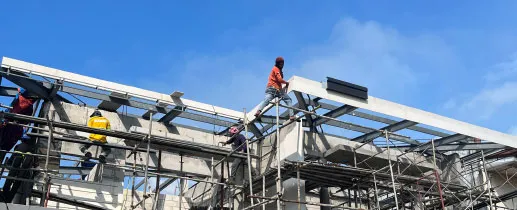
These problems are not just inconvenient—they are expensive to fix. Revisions during or after construction often require dismantling completed work, leading to additional labor costs and delays.
Designing with longevity in mind means addressing these factors from the beginning. It ensures that every element—from layout to finishes—is considered not just for appearance, but for performance.
The Hidden Costs of Short-Term Decisions
Choosing lower-cost options can feel like a smart way to stay within budget. However, in interior design, the cheapest option is rarely the most economical in the long run.
Consider these common scenarios:
- Low-quality finishes that fade, chip, or warp within a few years.
- Improper space planning that leads to costly renovations later.
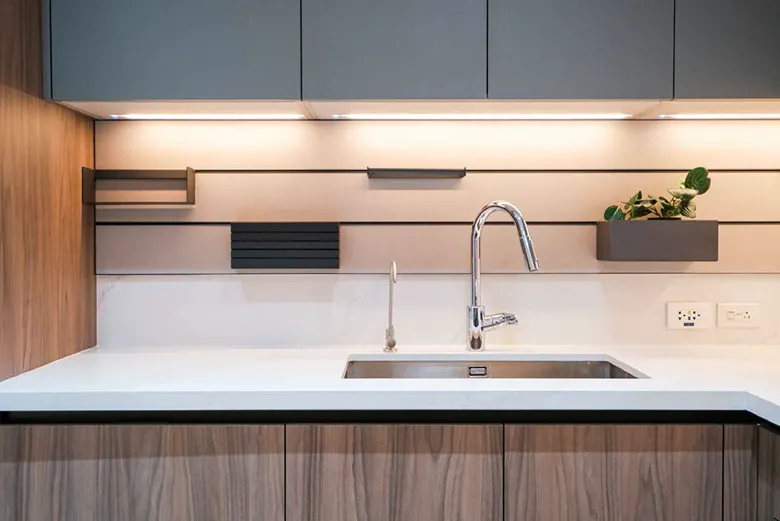
- Inadequate storage solutions that require constant adjustments or add-ons.
Each of these issues results in repeated spending—what initially seemed like savings becomes a cycle of ongoing expenses.
A better approach is to evaluate cost based on lifespan. A material or solution that lasts 10–15 years without replacement often proves more cost-effective than one that needs repair every 2–3 years.
Thoughtful Planning: The Foundation of Lasting Design
The durability of an interior starts long before materials are selected. It begins with planning.
A well-structured design process typically includes:
- Space Planning – Optimizing layout for movement, function, and future use.
- Lighting Strategy – Layering natural and artificial light to enhance usability.
- Technical Coordination – Aligning architectural, electrical, and mechanical systems.
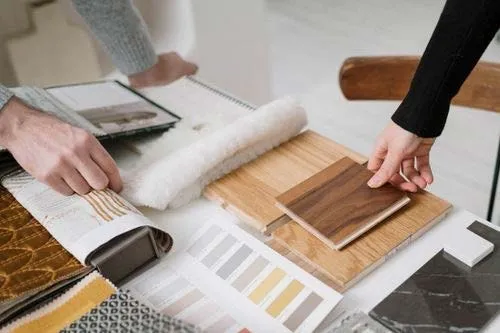
- Material Specification – Selecting finishes based on performance, not just appearance.
Skipping or rushing these stages often leads to misalignment—where design intent does not translate properly into execution.
For example, placing lighting fixtures without considering furniture layout can result in poorly lit spaces. Similarly, failing to account for appliance requirements early on can lead to costly modifications later.
Thoughtful planning minimizes these risks by ensuring that all elements are coordinated before construction begins.
Choosing Materials That Age Well
Materials play a significant role in determining how long an interior will last. While trends may influence choices, durability should always be a primary consideration.
Key factors to consider when selecting materials:
- Resistance to wear and tear (especially in high-traffic areas)
- Ease of maintenance and cleaning
- Compatibility with climate and environment
- Ability to age gracefully over time
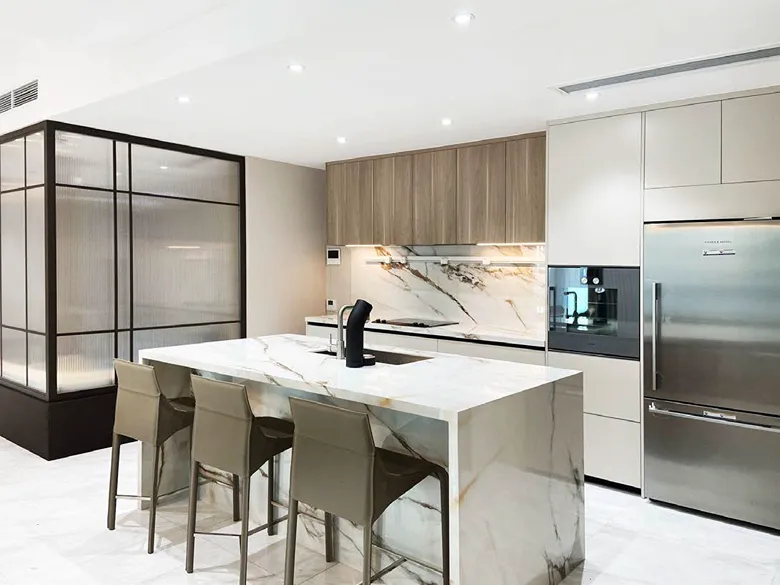
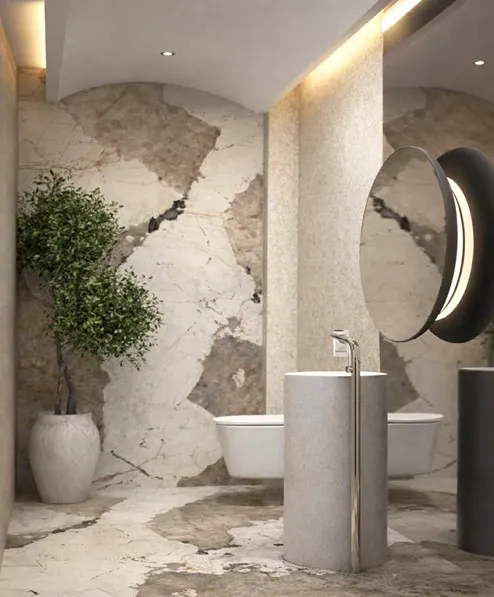
For instance, natural materials such as stone and solid wood often develop character as they age, while synthetic alternatives may show wear more quickly.
Practical material strategies:
- Use porcelain or ceramic tiles in wet areas instead of moisture-sensitive finishes
- Opt for engineered wood or treated hardwood for flooring to balance durability and aesthetics
- Choose high-quality hardware and fittings that can withstand daily use
Investing in better materials upfront reduces the need for frequent replacements, ultimately saving both time and money.
Designing for Function, Not Just Aesthetics
A visually appealing space can still fail if it doesn’t support daily living. Functionality is what determines whether a design truly works over time.
A well-designed interior should:
- Accommodate daily routines comfortably
- Provide sufficient storage
- Allow flexibility for future changes
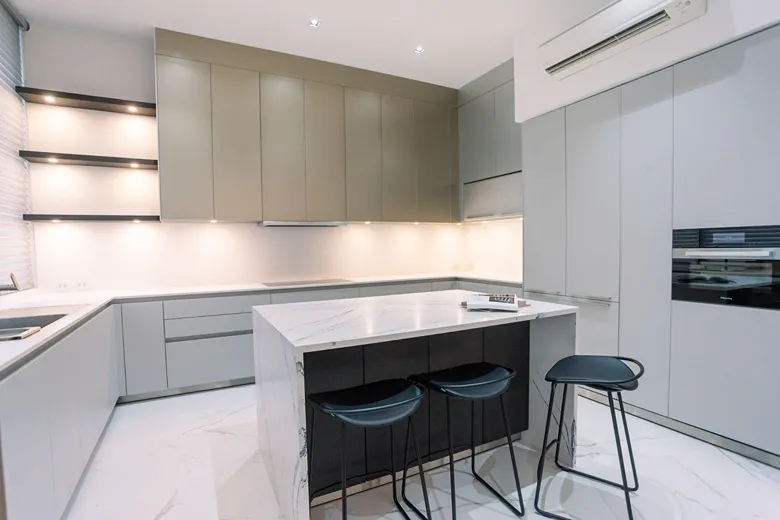
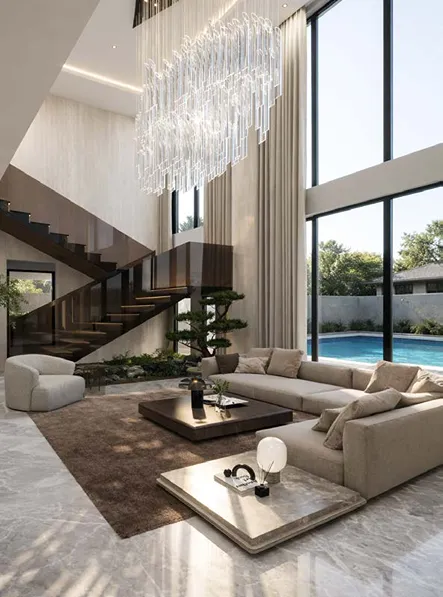
For example, a living area may look elegant in photos but feel impractical if seating is insufficient or circulation is restricted. Similarly, a kitchen with poor workflow can become frustrating to use, regardless of how it looks.
Designing for function means understanding how a space will be used—not just how it will appear. This ensures that the design remains relevant and effective as needs evolve.
The Role of Professional Design in Long-Term Value
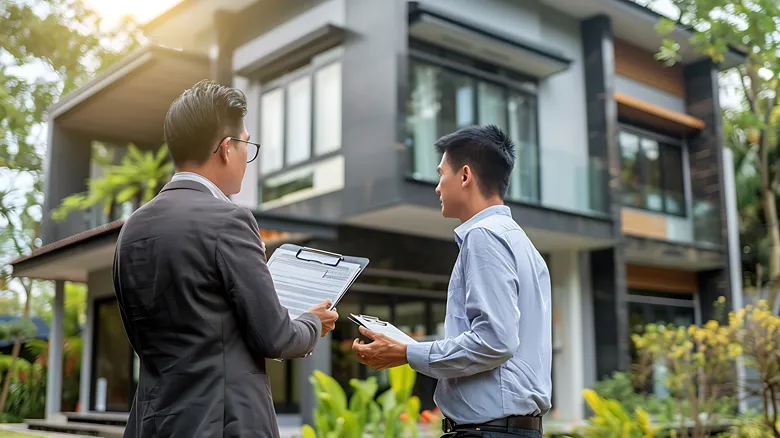
While it’s possible to make individual design decisions independently, achieving a cohesive and lasting result often requires a more structured approach.
Professional designers bring:
- Technical knowledge of materials and construction
- Experience in planning and coordination
- Ability to foresee potential issues before they arise
This reduces the likelihood of errors and ensures that all aspects of the project are aligned.
More importantly, it provides clarity. Instead of making decisions reactively during construction, everything is resolved beforehand—resulting in a smoother, more efficient process.
A Smarter Approach: Investing Once, Not Repeatedly
The concept of “built to last” is ultimately about reducing the need for future corrections. It shifts the focus from minimizing initial cost to maximizing long-term value.
Here’s what that looks like in practice:
- Investing in proper planning to avoid redesigns
- Selecting durable materials that require minimal replacement
- Ensuring that layout and functionality meet long-term needs
This approach doesn’t necessarily mean spending excessively—it means spending strategically.
A well-executed design may have a higher upfront cost, but it eliminates many of the recurring expenses associated with poor decisions. Over time, this results in significant savings.
Thoughtful interior design is not defined by trends or visual appeal alone—it is measured by how well a space performs over time. When interiors are planned carefully, built with quality materials, and designed for real use, they become more than just spaces—they become lasting investments.
Choosing to design with longevity in mind means avoiding the cycle of constant repairs and upgrades. It means creating a home that continues to function, adapt, and maintain its value for years to come.
If you’re planning a project, take the time to approach it with clarity and intention. The right decisions made early on will not only enhance your space—but also protect your investment in the long run.