What should interior design respond to as cities become denser, technology advances, lifestyles change, and people expect spaces to offer more than visual appeal?
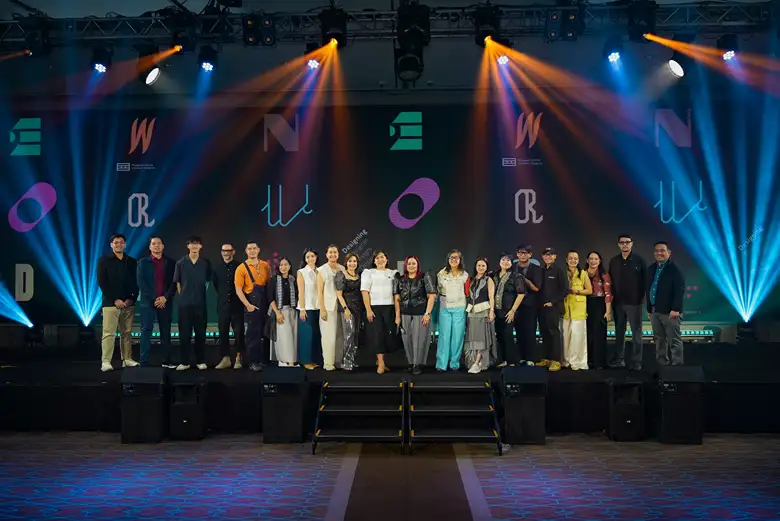
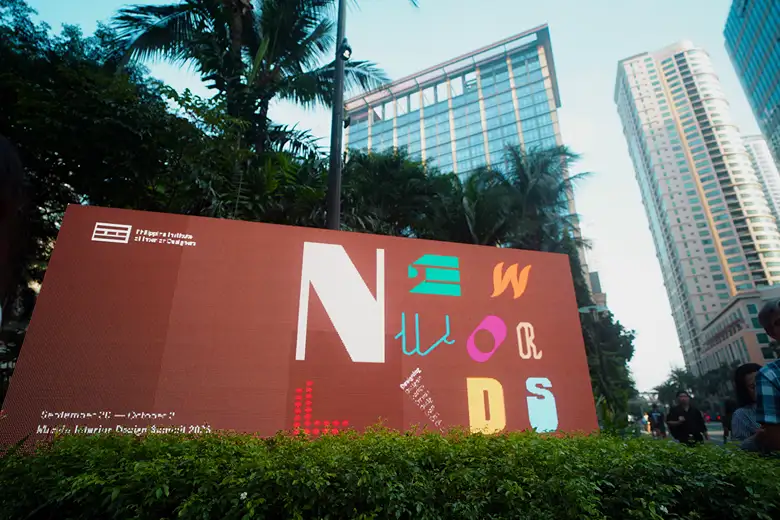
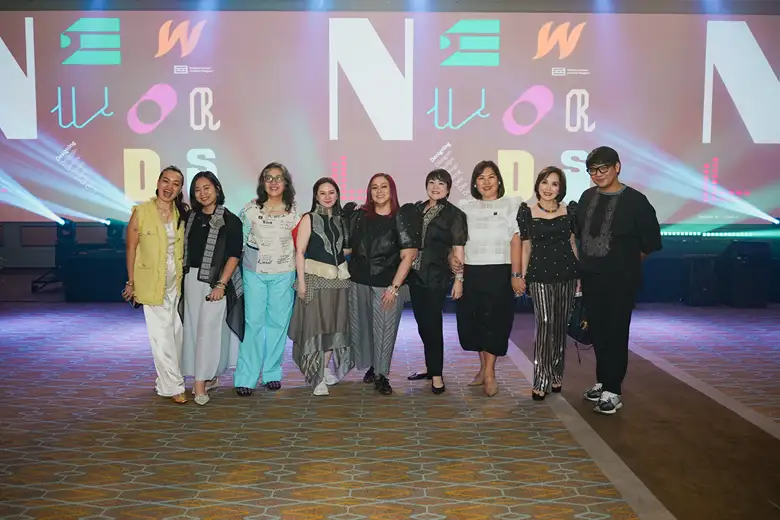
This was one of the larger questions explored at the Manila Interior Design Summit 2026, organized by the Philippine Institute of Interior Designers (PIID) under the theme:
“Designing New Worlds: Culture, Cities, and the Future of Southeast Asia.”
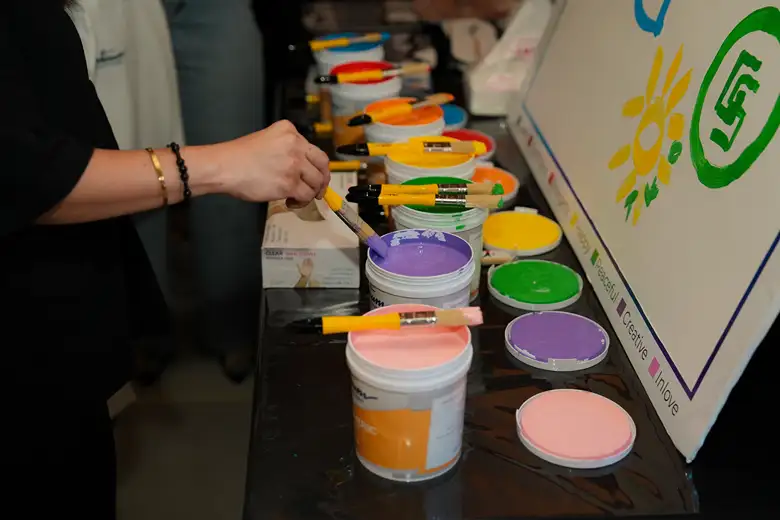
The fourth edition of MIDS expanded into a four-day program from September 30 to October 3, 2026, moving across design destinations in Makati and Bonifacio Global City before culminating in a full-day symposium at the Proscenium Theater in Rockwell. Instead of limiting the summit to a conventional conference format, PIID incorporated exhibitions, design conversations, showroom immersions, interactive activities, walking tours, and professional exchanges.
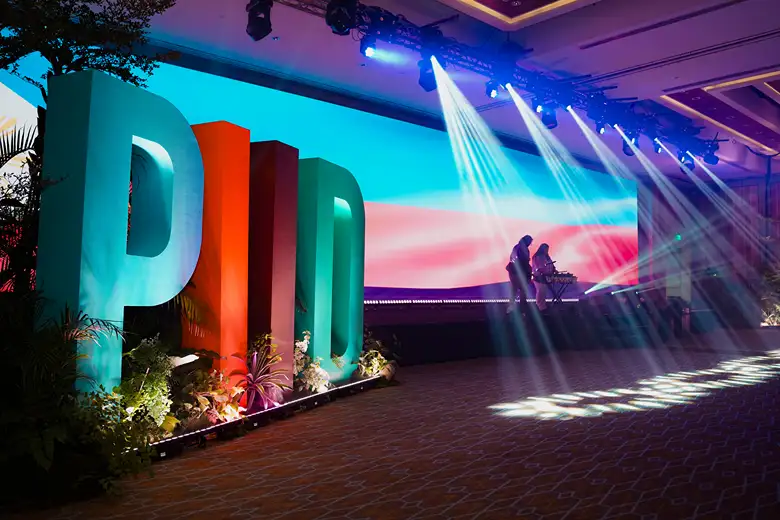
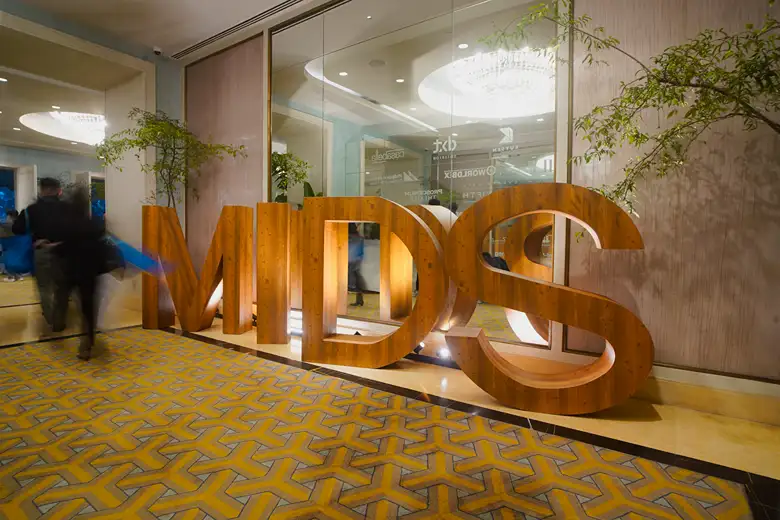
The program explored eight interconnected areas ranging from human experience and interior atmosphere to future cities, sustainability, climate response, cultural identity, hospitality, adaptive reuse, craftsmanship, technology, and emerging voices in the profession.
For interior designers, this created an important opportunity.
Learning did not happen only through listening to speakers.
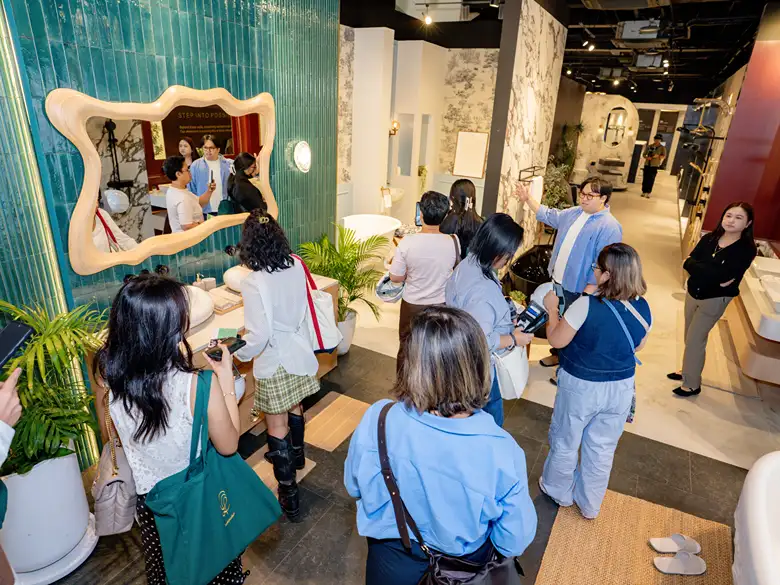
It happened by entering spaces, touching materials, observing systems, experiencing furniture at full scale, talking with fellow practitioners, and understanding the thinking behind the products and environments designers specify every day.
More Than a Design Event: Why Experiential Learning Matters
Digital tools have transformed the way interior designers work.
Products can now be sourced online. Materials can be viewed through digital libraries. Artificial intelligence can generate ideas within seconds. Photorealistic renderings can visualize spaces long before construction begins.
Yet interior design remains a deeply physical profession.
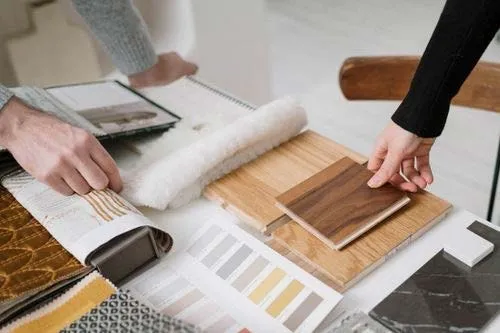
A photograph cannot fully communicate the tactile quality of a textile.
A material swatch on a screen cannot explain how a stone surface responds to natural light.
A specification sheet may provide the dimensions of a chair, but it cannot tell a designer exactly how that chair feels when someone sits in it.
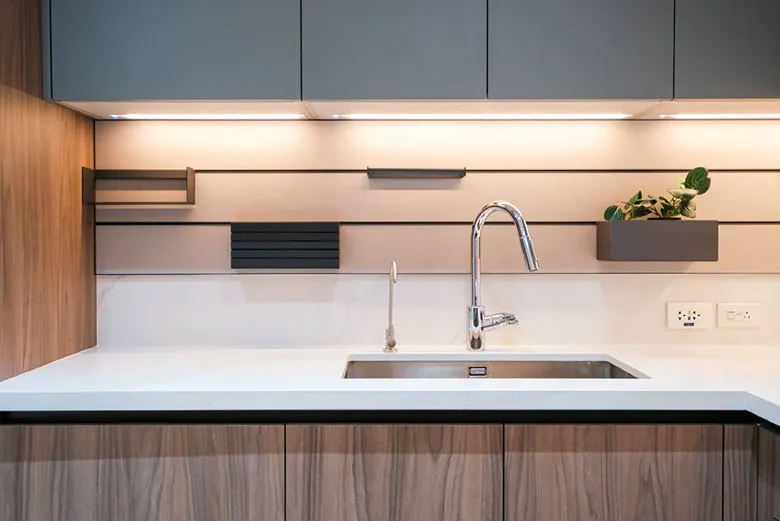
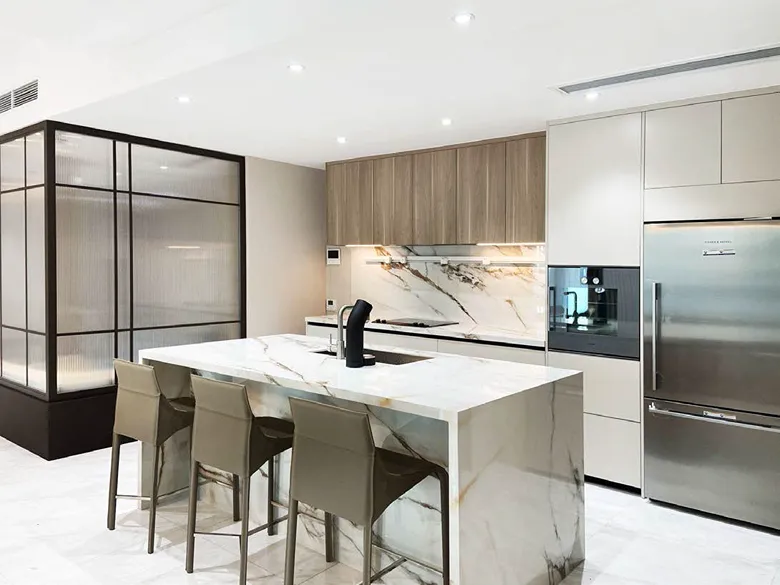
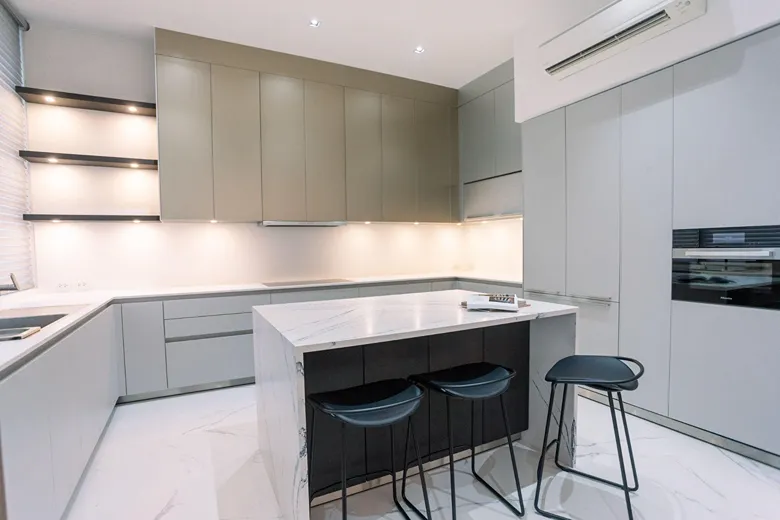
And a kitchen rendering cannot completely demonstrate how its mechanisms, storage systems, ergonomics, and workflow perform in real life.
MIDS 2026 responded to this gap by turning showrooms, schools, design districts, exhibitions, and the city itself into learning environments.
The result was not simply a tour of products.
It was an exploration of how design decisions influence the way people live, gather, work, move, interact, and feel.
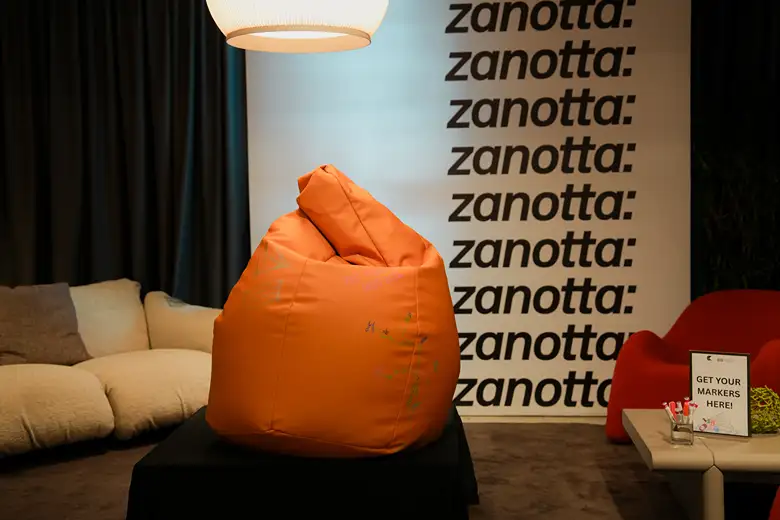
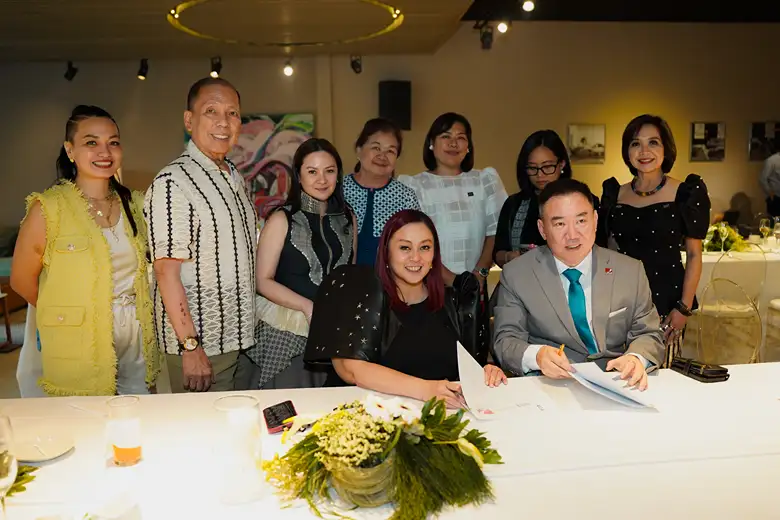
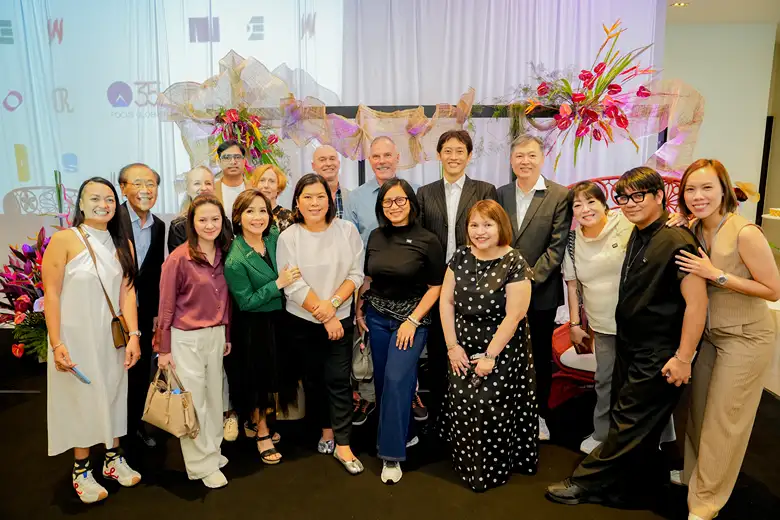
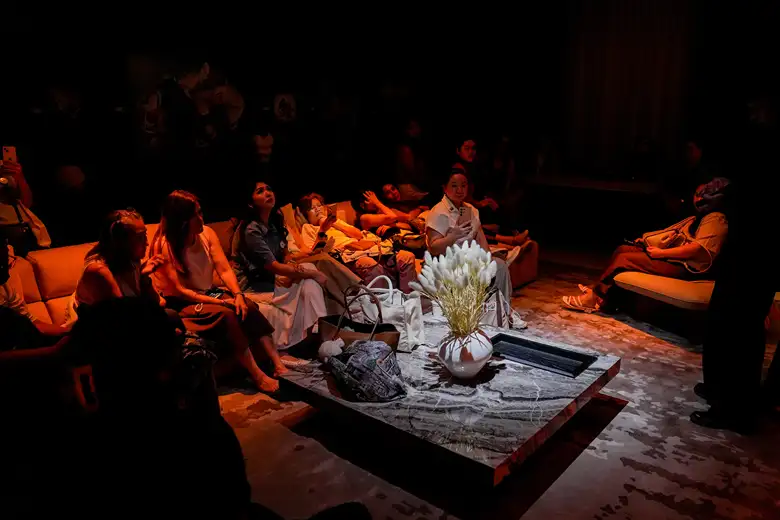
1. SoFA Design Institute: Starting with Education and Experimentation
The design journey appropriately began with SoFA Design Institute, an official destination of MIDS 2026.
Rather than presenting design as a finished answer, SoFA approached it through experimentation.
Participants were invited into the SoFA Sandbox, an immersive experience demonstrating the SoFA Method through three unexpected interpretations of familiar spaces. These environments were reconsidered using nature, thoughtful materials, and sensory experiences to encourage designers to look beyond conventional solutions. Participants could also receive up to ₱16,000 worth of SoFA class credits, extending the invitation to continue learning beyond the summit itself.
Beginning the MIDS journey within a design school carried an appropriate message.
Design education does not end with graduation.
Interior designers work in an industry where technologies, materials, lifestyles, regulations, environmental concerns, and cultural conversations continue to evolve. Professional development therefore depends on remaining curious and open to new ways of thinking.
For practicing designers, the SoFA experience was a reminder that every project, material encounter, collaboration, lecture, showroom visit, and experiment can become part of continuing design education.
And perhaps more importantly, it encouraged designers to reconsider familiar spaces instead of accepting familiar solutions.
2. Modularity Home: Scavolini and Valcucine and the Evolution of the Kitchen
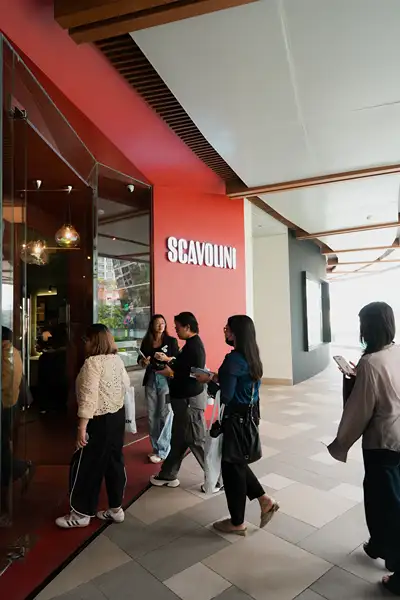
At Modularity Home, designers experienced the kitchen and living systems of Scavolini and Valcucine.
The contemporary kitchen has changed significantly.
Once treated primarily as a service area, it has increasingly become one of the social centers of the home—a place for cooking, conversation, family interaction, entertaining, and everyday rituals.
For designers, this means kitchen planning can no longer focus only on cabinetry appearance.
A well-resolved kitchen depends on the relationship between circulation, ergonomics, storage, work zones, appliances, materials, lighting, hardware, and the way users actually move through the space.
The showroom experience allowed designers to examine integrated systems at full scale and understand how refined design can coexist with highly technical requirements.
It also highlighted the importance of modularity.
Good modular design allows spaces to adapt without losing clarity or refinement—a particularly relevant consideration as residential spaces become increasingly flexible and personalized.
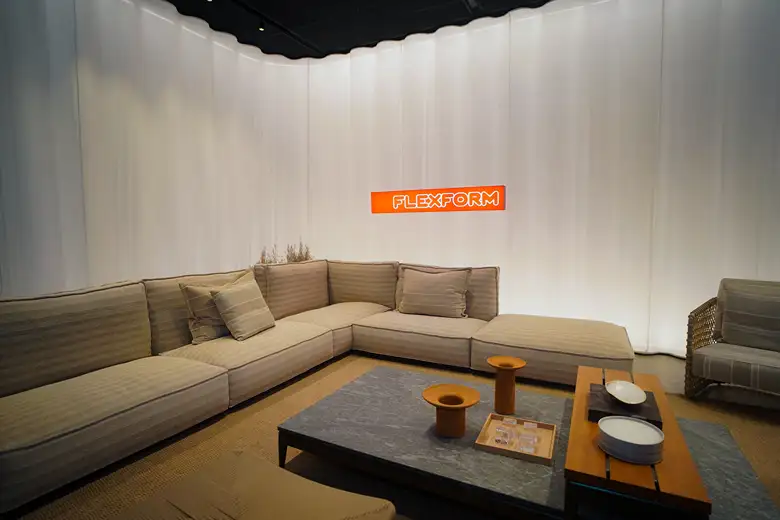
3. Poliform, Flexform, and Metrotiles: From Furniture to Material Composition
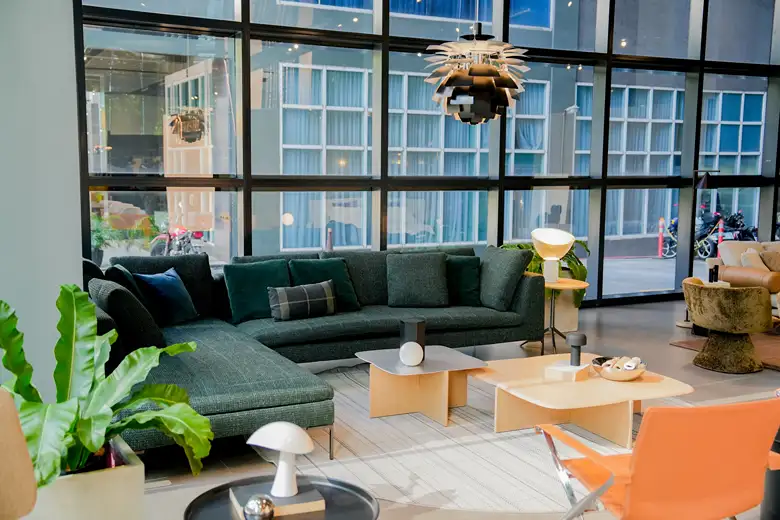
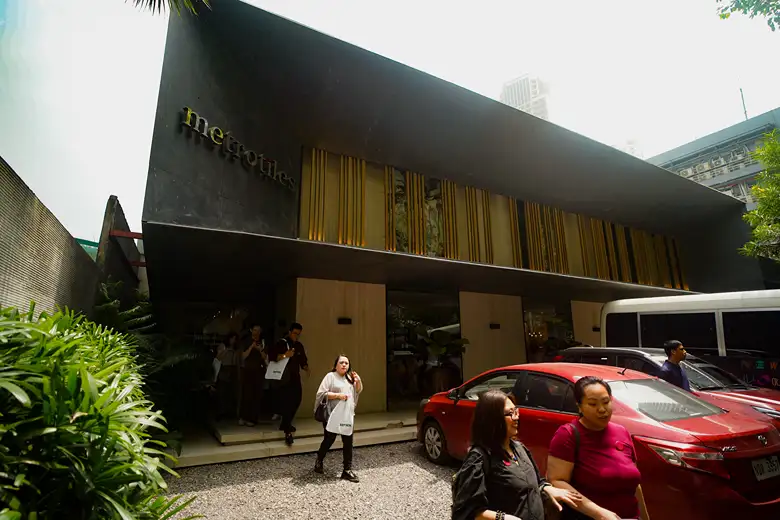
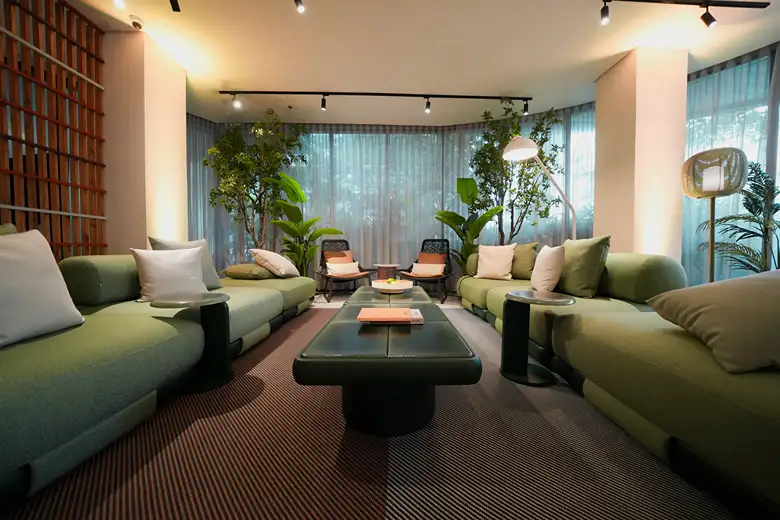
The summit also brought designers into an environment featuring Poliform, Flexform, and Metrotiles, connecting furniture, spatial systems, and architectural surfaces.
The experience demonstrated that furniture should not simply be treated as decoration placed into a finished room.
Furniture affects architecture.
Its proportions influence circulation. Its placement establishes relationships between people. Upholstery changes acoustics and tactility. Materials create visual rhythm. Even the amount of negative space around a piece influences how luxurious or crowded an interior feels.
The MIDS program also showcased curated environments associated with Poliform and Flexform and featured established design voices including Ed Calma, Carlo Calma, Alex Co, Anton Mendoza, and Alfred Wieneke, further connecting product exploration with professional design perspectives.
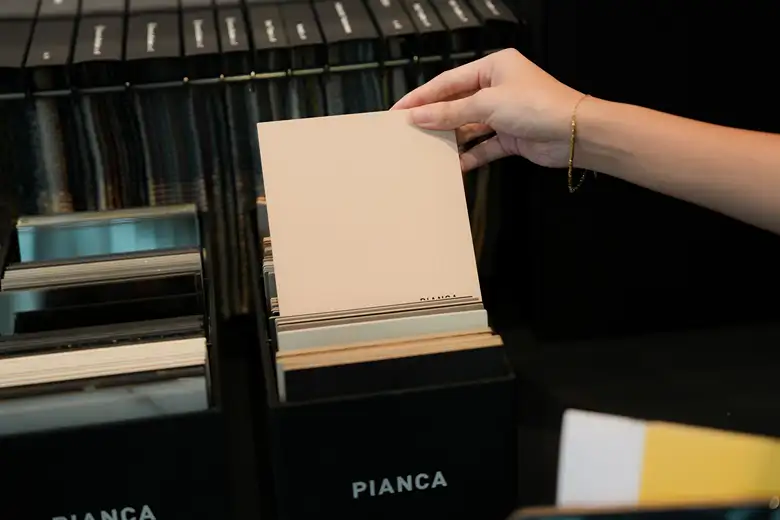
Metrotiles introduced the equally important subject of surfaces.
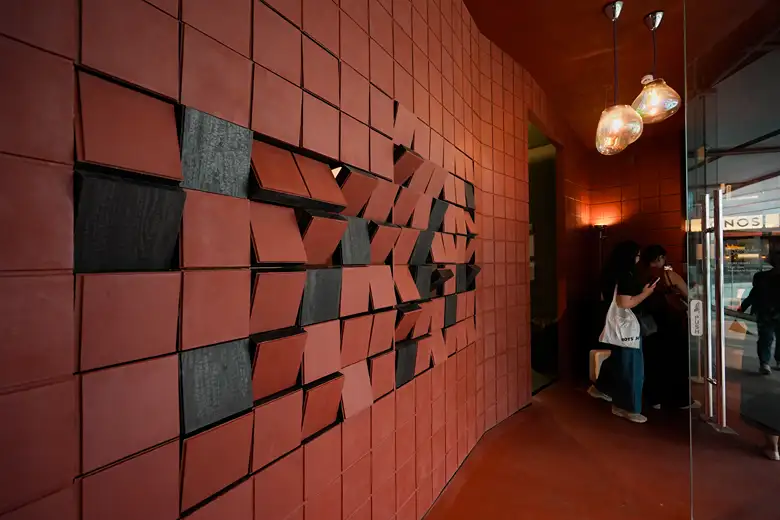
Floor and wall finishes affect far more than appearance. They influence durability, maintenance, transitions, scale, texture, installation methods, and the overall visual coherence of an interior.
The combined experience emphasized that strong interior design emerges when furniture, architecture, materials, and proportion are considered together rather than separately.
4. Kuysen: Artificial Intelligence and the Future of Design
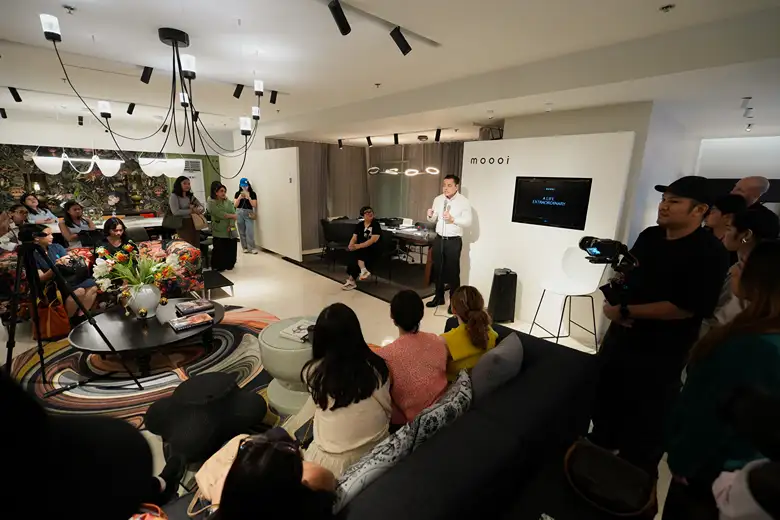
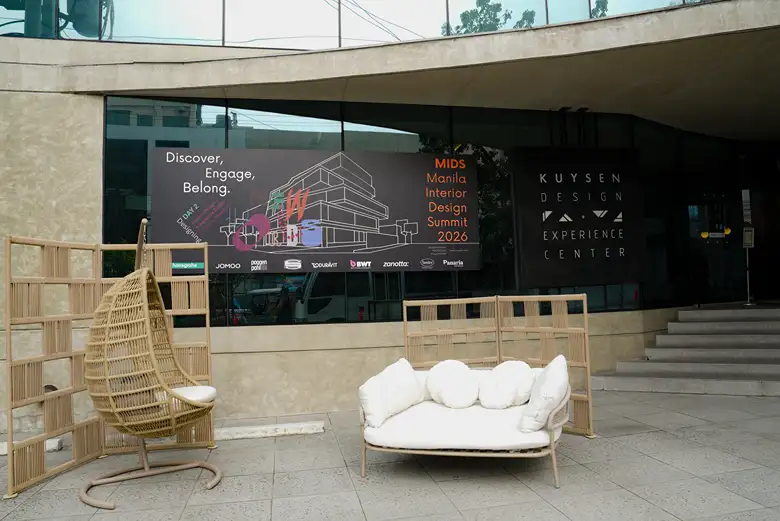
At the Kuysen Design and Experience Center, MIDS moved into one of the profession’s most current conversations: artificial intelligence and the future of design.
The discussion was led by Alex Josephson, co-founder of PARTISANS and faculty member at the University of Toronto’s Daniels Faculty of Architecture, Landscape, and Design. Published MIDS coverage identified the Kuysen session as one of the major conversations of the summit’s second day.
AI is already changing how designers research, conceptualize, visualize, communicate, and develop ideas.
But faster does not necessarily mean better.
The more important discussion concerns where technology belongs within the design process.
Artificial intelligence can support ideation and increase efficiency, but it cannot replace the judgment developed through experience, cultural awareness, technical knowledge, empathy, and a designer’s understanding of the people who will occupy a space.
For interior designers, the challenge is therefore not whether to accept or reject AI.
It is learning how to use new technology without surrendering authorship, critical thinking, or the human qualities that make design meaningful.
5. Casa Bella: Designing for Multigenerational Living
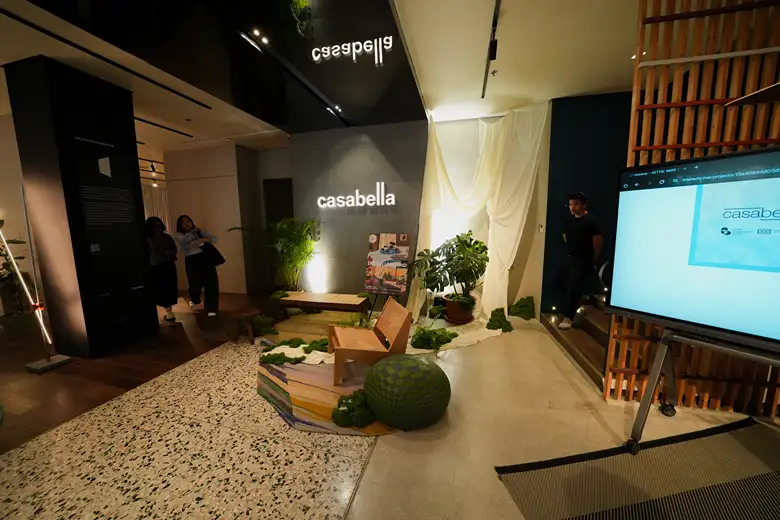
At Casa Bella Home and Living, architect Ramon Antonio led a conversation around multigenerational homes, another topic particularly relevant to Philippine and Southeast Asian living.
Filipino homes frequently accommodate several generations under one roof.
Parents, children, grandparents, relatives, guests, and household staff may all use the same residence in very different ways.
Designing for this arrangement requires more than providing enough bedrooms.
Interior designers must understand the balance between privacy and togetherness, independence and accessibility, individual needs and shared family rituals.
Circulation becomes important.
So does acoustic privacy.
Furniture dimensions, bathroom accessibility, storage, lighting, and spatial flexibility may need to respond to users across different ages and physical abilities.
The Casa Bella conversation demonstrated why a home cannot simply be designed for who occupies it today.
Good residential design should also consider how a family may change tomorrow.
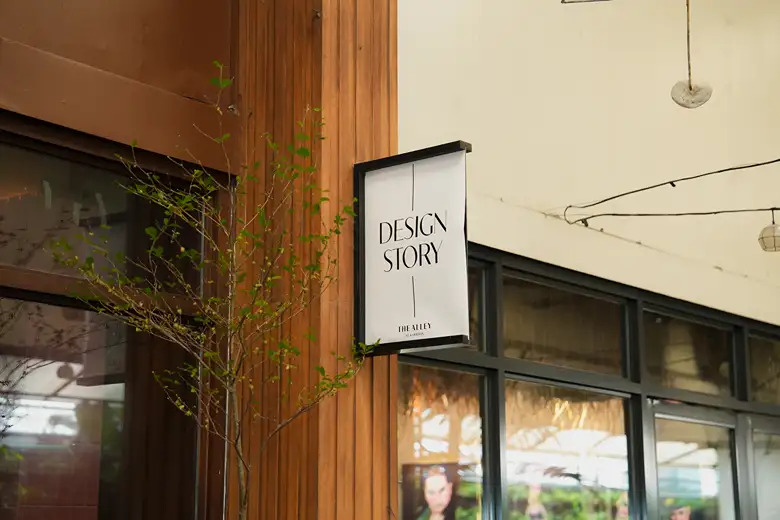
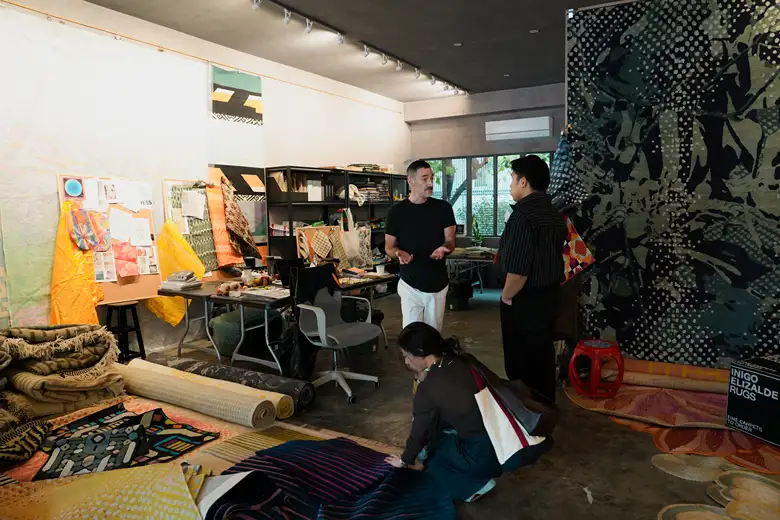
6. OPPEIN and Design Story: Where Systems Meet Storytelling
The summit continued through Karrivin, where delegates explored OPPEIN and Design Story.
At Design Story, participants exchanged ideas with IDr. Rossy Rojales, while IDr. Chat Fores opened the conversation at OPPEIN.
These two destinations offered complementary ways of understanding an interior.
OPPEIN demonstrated the role of integrated systems, cabinetry, storage, organization, and modular planning.
Design Story, meanwhile, reinforced the role of carefully selected pieces in creating character and narrative.
Together, they reflected an important principle:
A successful interior requires both system and story.
A room needs practical organization and technical clarity.
But it also needs personality.
Without functionality, a beautiful space can become frustrating to use. Without identity, an efficient space can feel generic.
For interior designers, the challenge is bringing the two together.
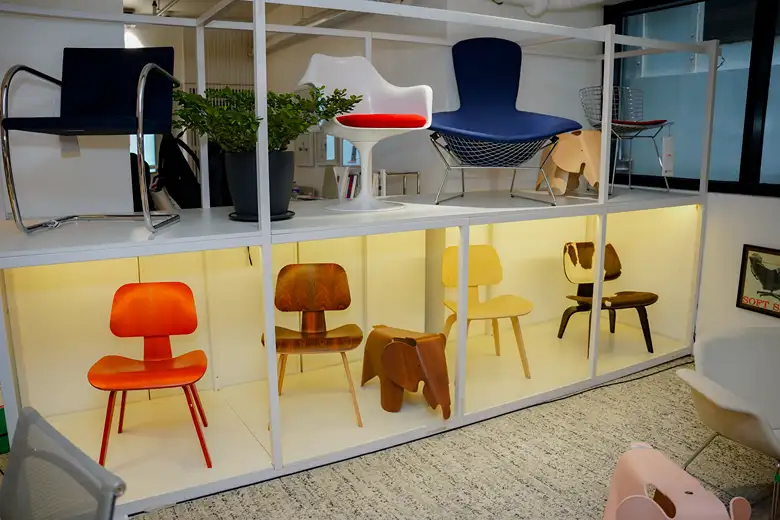
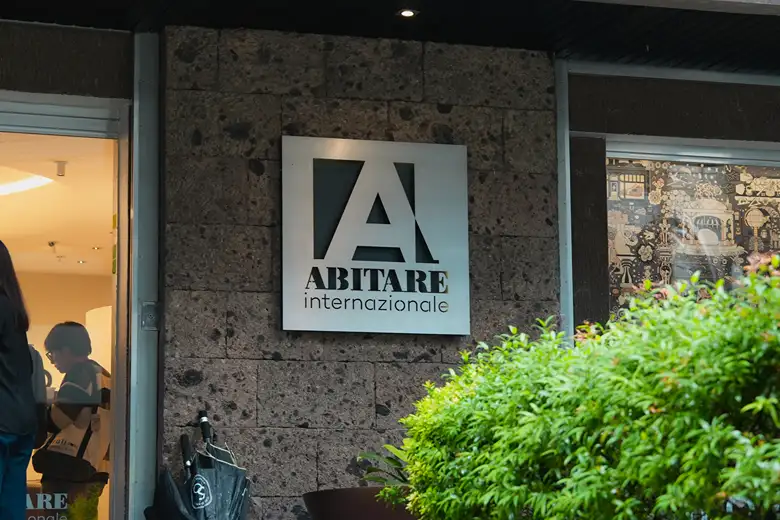
7. Abitare Internazionale: Understanding Furniture at Full Scale
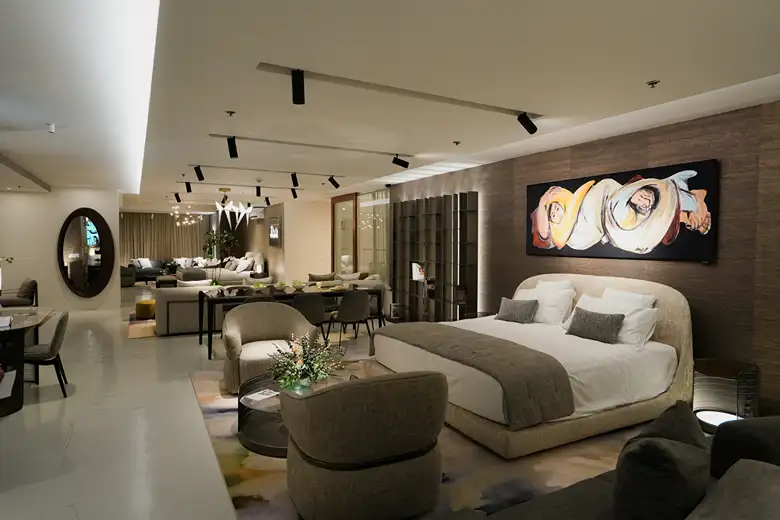
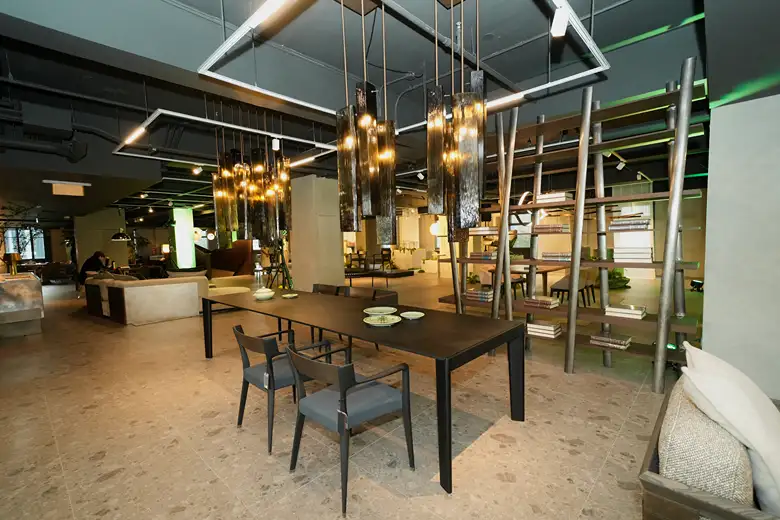
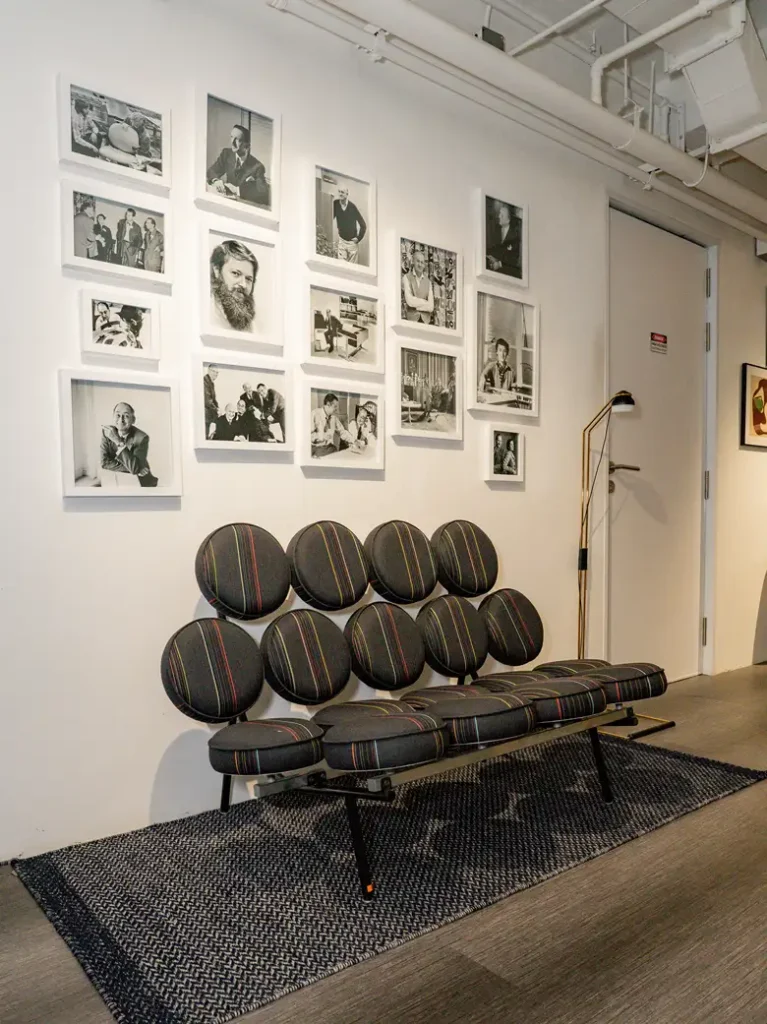
At Abitare Internazionale, delegates continued the MIDS experience through an immersive showroom visit.
The stop formed part of the summit’s walking tours and interactive experiences, allowing participants to encounter furniture, finishes, and interior compositions outside the limitations of catalogs and digital presentations.
This type of showroom immersion remains particularly valuable for professional designers.
Seeing furniture at full scale immediately reveals qualities that are difficult to judge online:
seat depth, proportion, joinery, upholstery, finish, material transitions, comfort, scale, and relationship to surrounding space.
These details influence specification decisions.
Furniture should not be chosen simply because an individual piece is attractive. It needs to work with the architecture, circulation, intended use, client, and larger material language of the project.
8. Fashion Interiors: The Tactile Side of Interior Design
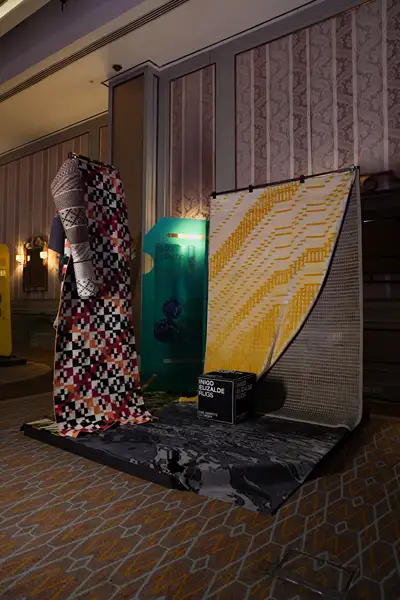
The Fashion Interiors stop placed attention on one of the most sensory parts of an interior: textiles and soft furnishings.
Fabric does much more than introduce color or pattern.
It affects comfort, acoustics, softness, light filtration, visual depth, movement, and tactility.
Curtains influence how daylight enters a room.
Upholstery affects how furniture feels.
Rugs change both acoustics and spatial definition.
Even the weave or sheen of a textile can change how an interior responds under natural and artificial light.
As part of the MIDS walking and interactive showroom program, the Fashion Interiors experience encouraged designers to evaluate these materials physically rather than treating fabric selection as a purely visual exercise.
For residential and hospitality interiors in particular, these tactile layers can determine whether a room simply looks complete or genuinely feels comfortable.
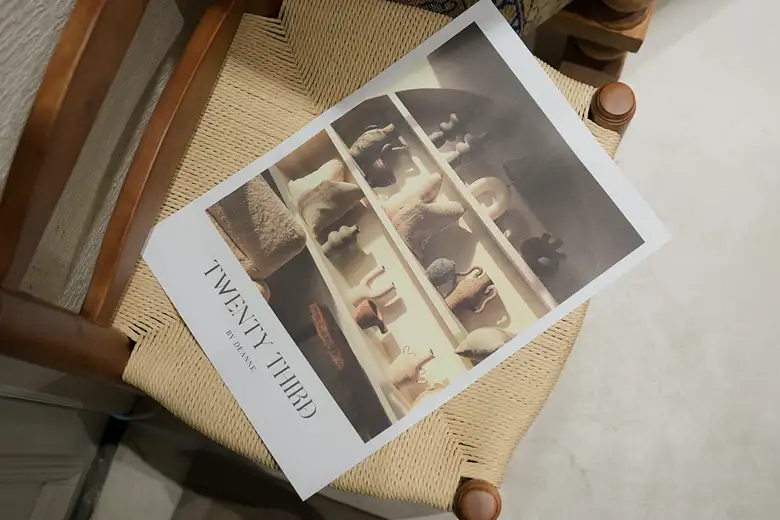
9. Tamarind Place: Craft, Objects, and Meaningful Curation
At Tamarind Place, the MIDS experience moved toward the role of objects, accessories, craft, and curation within an interior.
Architecture gives a room its structure.
Furniture gives it function.
But carefully selected objects often give it personality.
The challenge is knowing when those objects contribute meaningfully and when they simply create visual clutter.
Good curation is therefore not about filling every table, shelf, or wall.
It is about allowing objects to reinforce the concept of the space.
A handcrafted piece may introduce cultural context.
An artwork may provide emotional focus.
A sculptural object may create contrast against more restrained architecture.
The experience encouraged designers to consider why an object belongs in a room, rather than simply where it can be placed.
That distinction is particularly important in high-end interiors, where restraint often communicates more sophistication than excess.
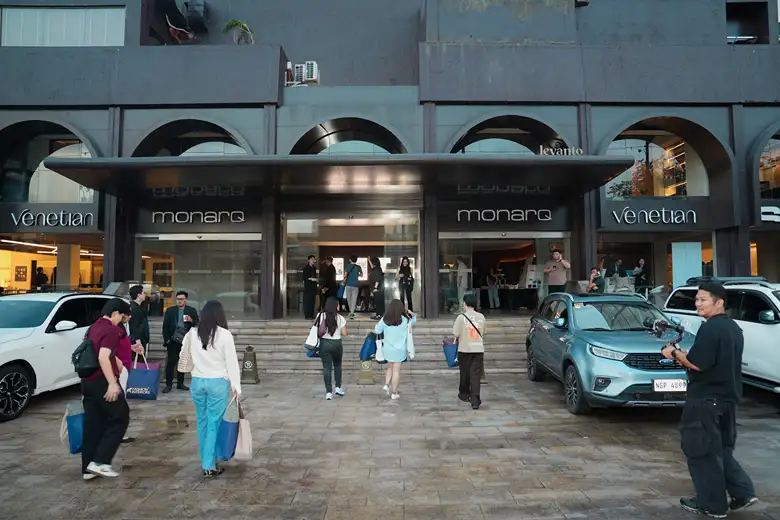
10. Levanto Building: Design Conversations Beyond the Formal Program
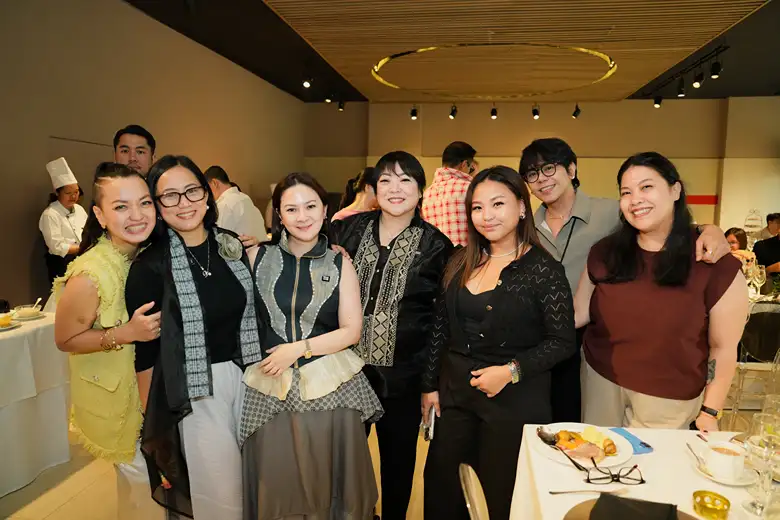
The second day’s journey concluded at the Levanto Building, where delegates gathered for dinner and cocktails following the series of discussions and showroom experiences.
It may appear less formal than a lecture, but gatherings like this serve an important role in the design profession.
Interior design is inherently collaborative.
Designers routinely work with architects, contractors, engineers, manufacturers, suppliers, artisans, developers, consultants, artists, and other specialists.
Some of the most valuable professional exchanges happen not behind a podium but through conversations between people facing similar challenges.
The Levanto gathering reinforced a recurring theme throughout MIDS:
Knowledge is not only transferred through presentations. It is also exchanged through community.
Day Three: From Interiors to the Future of the City
After exploring how spaces hold and support people, MIDS expanded the conversation to a larger scale.
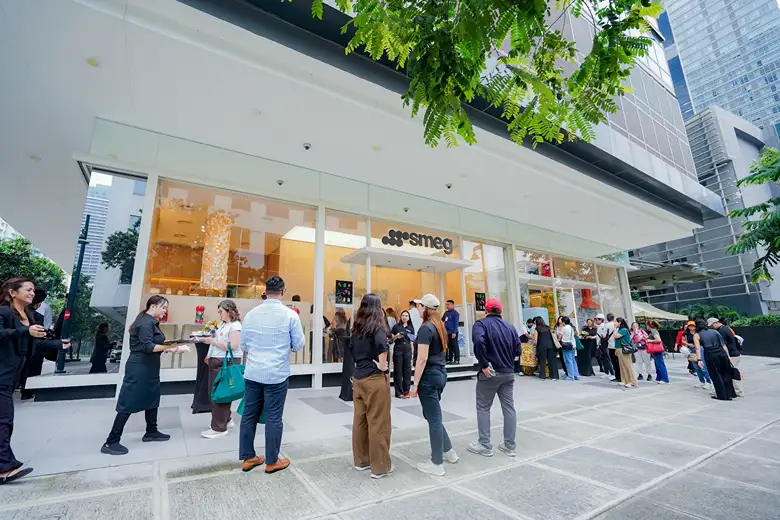
Day Three, “The City and the Future: How Space Carries Us Forward,” brought delegates through design destinations in Bonifacio Global City, including Focus Global, Hooga, SMEG, Dexterton, and CWC Interiors.
This change in scale was significant.
Interior design does not exist separately from the city around it.
Urban density affects the size of homes.
Technology changes the workplace.
Hospitality responds to new travel behavior.
Changing demographics alter how families live together.
Environmental pressures influence material and energy decisions.
Interior designers therefore need to understand not only rooms but the larger social, environmental, and urban forces shaping those rooms.
11. Focus Global: International Design Through a Local Perspective
At Focus Global, delegates experienced international approaches to furniture, kitchens, appliances, lighting, and contemporary living.
Exposure to global design provides Filipino designers with access to highly developed systems, technologies, manufacturing knowledge, and established design traditions.
But exposure should not become imitation.
The more meaningful question is:
How can international design knowledge be interpreted within the Philippine context?
Climate is different.
Household structures are different.
Cultural expectations are different.
Space constraints, construction practices, maintenance conditions, and ways of entertaining may also be different.
The responsibility of the interior designer is therefore not simply to specify what is internationally recognized.
It is to determine what makes sense for the project, the place, and the people using it.
Global knowledge becomes most valuable when it is filtered through local intelligence.
12. Dexterton: A Conversation Across Generations
At Dexterton, the summit hosted an open conversation with father-and-daughter duo Anthony Nazareno and Bea Nazareno.
The pairing introduced another meaningful subject: how knowledge moves between generations.
Established professionals bring decades of experience, technical understanding, and lessons learned through practice.
Younger professionals bring new references, technologies, changing expectations, and different approaches to communication and design.
The future of the industry does not require one generation to replace another.
It requires both to learn from each other.
The discussion echoed the larger MIDS theme of carrying design knowledge forward while remaining open to change.
Tradition and innovation do not necessarily have to compete.
The strongest design cultures understand how to preserve what remains valuable while allowing new ideas to improve it.
13. Hooga: Comfort as a Serious Design Consideration
At Hooga, the design conversation naturally turned toward comfort, atmosphere, and the emotional experience of a room.
A space can be visually impressive and technically correct yet still feel uncomfortable.
Likewise, a relatively simple room can feel memorable when its lighting, scale, tactility, textures, furnishings, and sensory qualities are thoughtfully considered.
Comfort should therefore not be dismissed as decoration.
It is part of how users experience design.
For interior designers, creating comfort means understanding the combined effect of:
lighting, textiles, scale, temperature, sound, furniture, color, touch, and spatial proportion.
The Hooga stop complemented MIDS’ broader focus on the question of how spaces make people feel.
Because ultimately, occupants do not experience an interior as a floor plan.
They experience it through their senses.
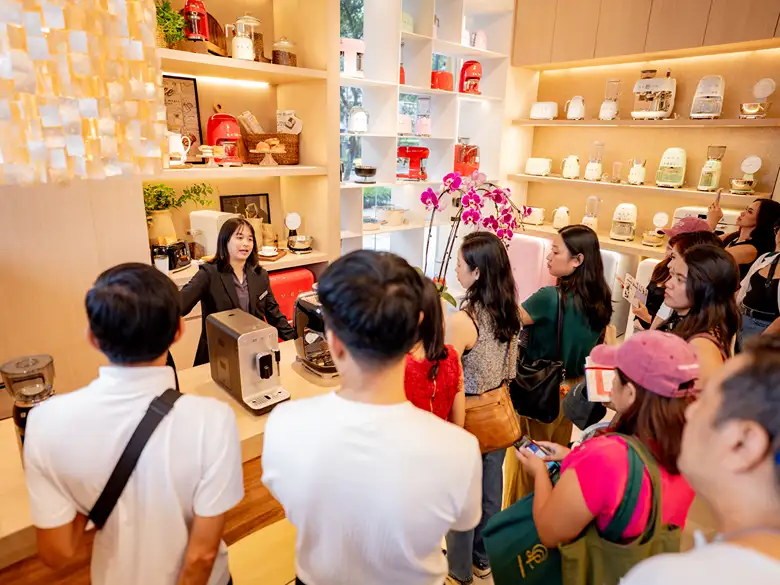
14. SMEG: Integrating Technology Into Everyday Living
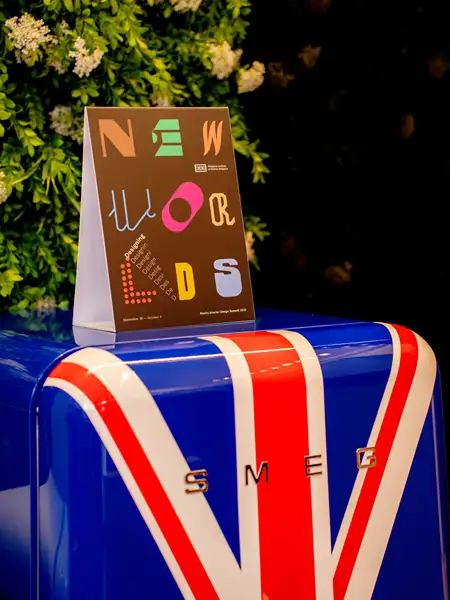
At SMEG, technology and appliance design became part of the interior conversation.
Appliances may once have been treated as equipment selected near the end of a kitchen project.
Today, that approach can create unnecessary compromises.
Appliance dimensions influence cabinetry.
Ventilation affects planning.
Plumbing and electrical requirements affect construction.
Clearances influence ergonomics.
Finishes and colors can become part of the visual language of a kitchen.
Technology therefore needs to be considered earlier in the design process.
The showroom experience reinforced the importance of coordinating design intent with technical requirements, particularly in kitchens where architecture, cabinetry, appliances, lighting, electrical planning, plumbing, and daily workflow intersect.
A beautiful kitchen that performs poorly is still poorly designed.
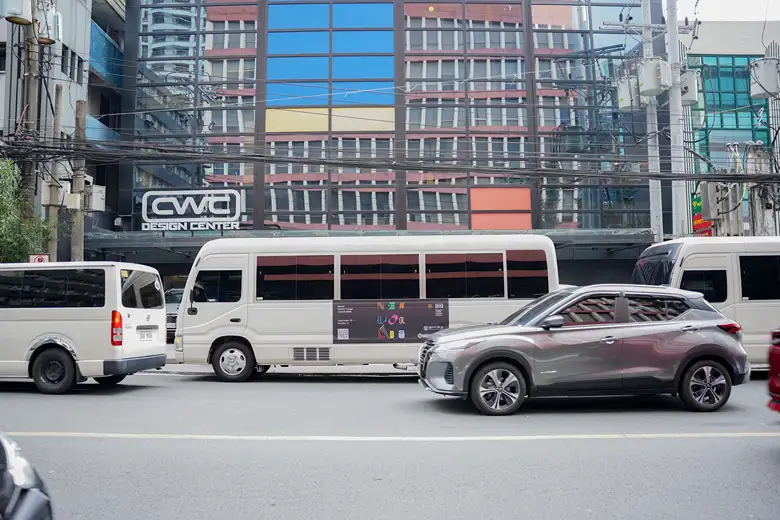
15. CWC Interiors: Rethinking the Contemporary Workplace
The BGC showroom journey concluded at CWC Interiors, completing a day focused on how space can carry people and cities forward. Published MIDS coverage identified CWC as the concluding destination of the Day Three itinerary.
The workplace is one of the clearest examples of how interior design must respond to changing behavior.
Hybrid work has altered expectations.
Employees no longer necessarily need the office simply to access a desk.
Instead, workplaces increasingly need to support what is more difficult to achieve remotely:
collaboration, community, spontaneous interaction, focus, learning, mentorship, and shared culture.
This changes the questions designers must ask.
Instead of beginning with, “How many workstations fit here?”
A more relevant question may be:
“What experiences should this workplace make possible?”
Furniture systems, acoustics, flexibility, technology, ergonomics, circulation, and wellness must then support that answer.
The CWC experience provided an appropriate closing point for the showroom journey—demonstrating how interior design continues to evolve alongside the way people live and work.
The Showroom as a Classroom
Taken individually, the MIDS destinations introduced designers to furniture, kitchens, appliances, surfaces, textiles, storage systems, craftsmanship, accessories, technology, and workplace solutions.
Taken together, they demonstrated something more important:
Interior design is an interconnected discipline.
No room succeeds because of one beautiful piece of furniture.
No luxury interior succeeds through expensive finishes alone.
And no technically correct plan automatically creates a meaningful space.
Successful interiors emerge when hundreds of decisions work together.
Architecture.
Lighting.
Furniture.
Materials.
Construction details.
Technology.
Ergonomics.
Acoustics.
Human behavior.
Culture.
And context.
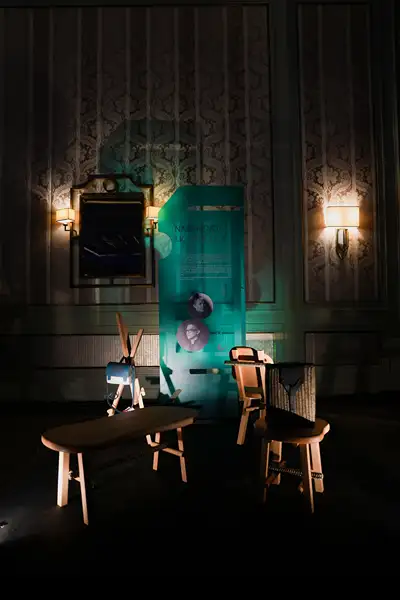
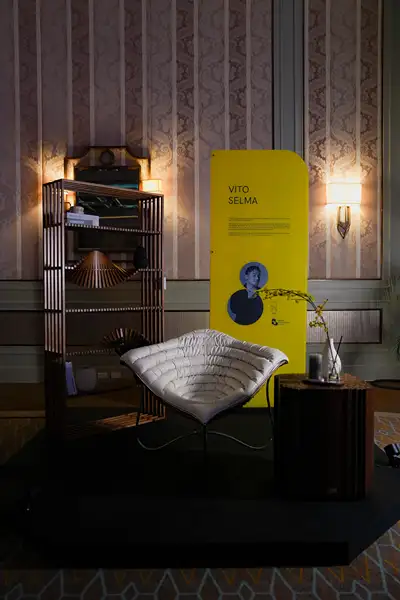
The MIDS showroom format made those relationships visible.
Why Physical Showroom Experiences Still Matter in a Digital Design World
Interior designers now have access to an extraordinary amount of information online.
But accessibility has also created a problem.
It has become easier to select something before properly understanding it.
A material may look appropriate on a screen but behave differently under real lighting.
A sofa may appear proportionate in a photograph but overwhelm the intended room.
A stone finish may look uniform digitally but reveal significant natural movement when viewed at full scale.
A mechanism that looks effortless in a promotional video may feel entirely different when physically operated.
Showroom visits allow designers to slow the specification process down.
They allow designers to touch, test, measure, compare, question, and understand.
That is not an outdated way of working.
It is professional due diligence.
Digital tools should make designers more efficient.
Physical experience helps ensure those faster decisions are still informed decisions.
Filipino Interior Design and the Southeast Asian Conversation
Beyond products and showrooms, MIDS 2026 was ultimately about a larger question:
What can Filipino interior design contribute to Southeast Asia?
PIID framed the summit around strengthening the country’s design voice within the region. Its leadership pointed toward qualities already deeply embedded in Filipino culture—particularly warmth, hospitality, humanity, gathering, memory, and care for others—as meaningful foundations for a Philippine design identity.
This is an important distinction.
A national design identity does not need to depend exclusively on decorative motifs.
Filipino design does not have to place a recognizable indigenous pattern onto every wall or piece of furniture to become Filipino.
Identity can also emerge through how a space behaves.
How does a home support extended family?
How does a dining space encourage people to stay longer?
How does hospitality make a visitor feel received?
How does architecture respond to tropical climate?
How can craftsmanship coexist with contemporary technology?
How can density be handled without sacrificing dignity?
And how can interiors remain globally relevant while still understanding the values of the people they serve?
These are deeper questions than style.
They are questions of culture.
Designing New Worlds Does Not Mean Forgetting the Old One
One of the most relevant lessons from the Manila Interior Design Summit is that progress does not always require abandoning established knowledge.
Technology changes.
Cities change.
Materials improve.
New generations of designers bring new perspectives.
But certain principles remain.
Proportion still matters.
Craftsmanship still matters.
Human comfort still matters.
Materials still need to age well.
Furniture still needs to function.
And a well-planned room still needs to make sense long after a trend has disappeared.
The challenge for contemporary designers is therefore to distinguish innovation from novelty.
Not everything new is necessarily better.
At the same time, tradition should not become an excuse to resist improvement.
The strongest future is likely to come from combining both:
knowledge carried forward from established practice and new thinking capable of responding to problems earlier generations did not face.
From Product Selection to Responsible Design Decisions
Perhaps the biggest challenge facing designers today is not a lack of choices.
It is having too many.
Thousands of materials, brands, trends, digital references, technologies, and visual inspirations compete for attention every day.
The professional value of an interior designer increasingly lies in the ability to filter those choices intelligently.
What belongs in this project?
What solves a real problem?
What will last?
What responds to the climate?
What can be maintained?
What provides genuine value to the client?
What supports the concept without overwhelming it?
And what improves the everyday experience of the people using the space?
Events such as MIDS become valuable when they encourage designers to ask these questions rather than simply introducing them to more products.
MIDS 2026: Turning Metro Manila Into a Design Classroom
The Manila Interior Design Summit 2026 demonstrated that professional education does not have to remain inside a lecture hall.
Across four days, the summit used exhibitions, educational institutions, showrooms, design districts, conversations, interactive experiences, and a full-day symposium to examine the evolving relationship between culture, cities, materials, technology, craftsmanship, and human experience.
From the experimental environments of SoFA Design Institute, the kitchen systems at Modularity Home, conversations at Kuysen and Casa Bella, and immersive destinations across Makati to the future-oriented BGC journey through Focus Global, Dexterton, Hooga, SMEG, and CWC, the summit encouraged designers to see the profession through a wider lens.
Because interior design is not simply about making rooms attractive.
It influences how people gather.
How families live together.
How employees collaborate.
How guests feel welcomed.
How materials are consumed.
How technology is integrated.
How culture is expressed.
And how cities adapt to change.
That is what makes the theme “Designing New Worlds” especially relevant.
Designing a new world does not happen through one dramatic idea.
It happens through thousands of thoughtful decisions—made by designers who understand where the profession has come from, remain curious about where it is going, and recognize their responsibility in shaping the spaces people will inhabit next.
For Filipino interior designers, MIDS 2026 offered more than a glimpse into the future.
It offered an opportunity to participate in defining it.