When planning a new home or renovation project, one of the first questions homeowners ask is: How much does residential interior design cost in the Philippines?
The answer depends on several factors, including the size of the property, the scope of work, material selections, level of customization, and the overall design goals. Every home is unique, which means interior design costs can vary significantly from one project to another.
Understanding the factors that influence project costs can help homeowners make informed decisions and establish realistic expectations before beginning their design journey.


What Influences Residential Interior Design Costs?
Residential interior design is much more than selecting furniture and finishes. It involves strategic planning, space optimization, technical coordination, material specification, and project management to create a cohesive and functional living environment.
Several key factors affect the overall investment required for a residential interior design project.
Property Size
The size of the home is one of the biggest cost considerations.
Common residential property types include:
- Single-detached homes
- Townhouses
- Duplex residences
- Luxury estates
- Vacation homes
- Multi-level residences
Larger homes typically require more design development, furnishings, finishes, and construction work, which can increase the overall project investment.
Scope of Work
The extent of the project significantly affects costs.
Residential projects may include:
- Interior design consultation
- Space planning
- Architectural coordination
- Furniture selection
- Lighting design
- Custom cabinetry
- Kitchen design
- Bathroom upgrades
- Material and finish specification
- Home renovation
- Design-build implementation
A complete design-build project will naturally require a greater investment than a furnishing or styling project.
Level of Customization
Custom-designed homes often involve specialized solutions tailored to the homeowner’s lifestyle and preferences.
Examples include:
- Built-in cabinetry
- Walk-in closets
- Home offices
- Entertainment systems
- Feature walls
- Custom furniture
- Smart home integration
The more customized the design, the greater the level of planning, craftsmanship, and implementation required.
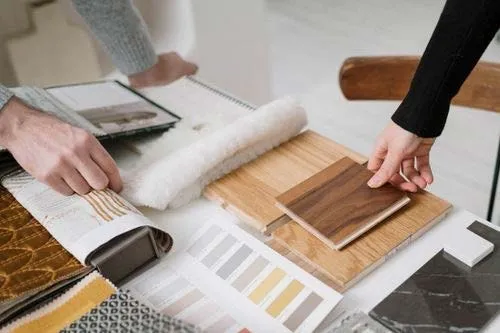
Material and Finish Selection
Material choices have a significant impact on project costs.
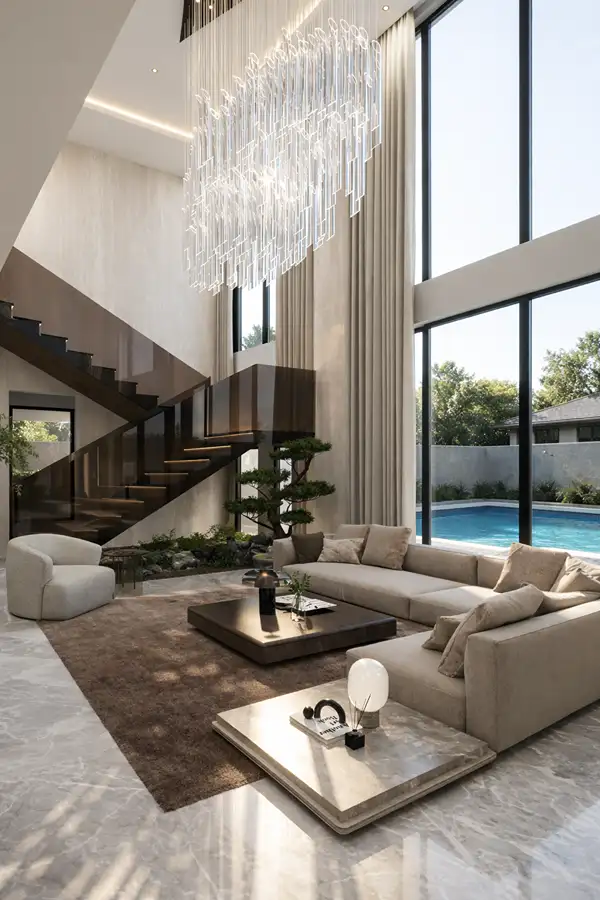
Many homeowners choose premium finishes such as:
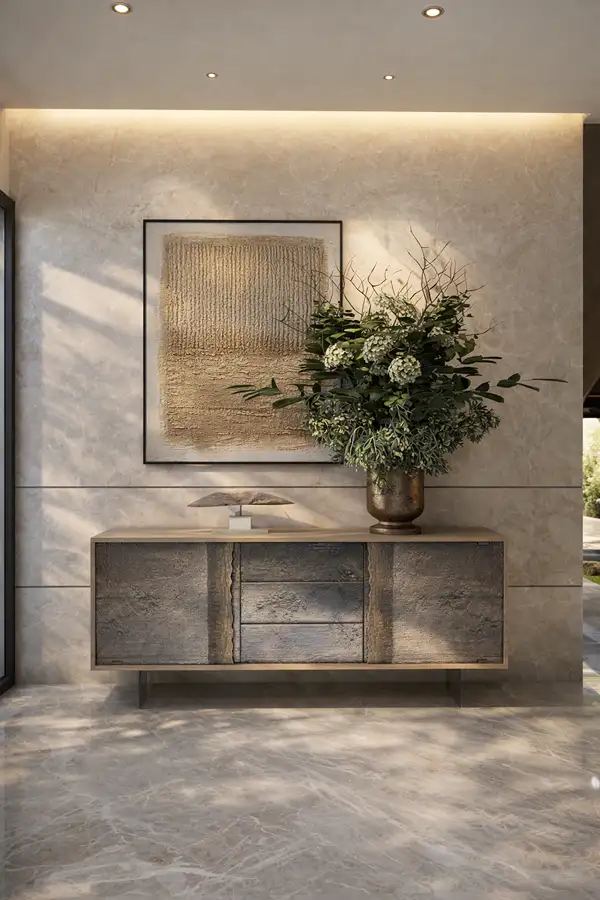
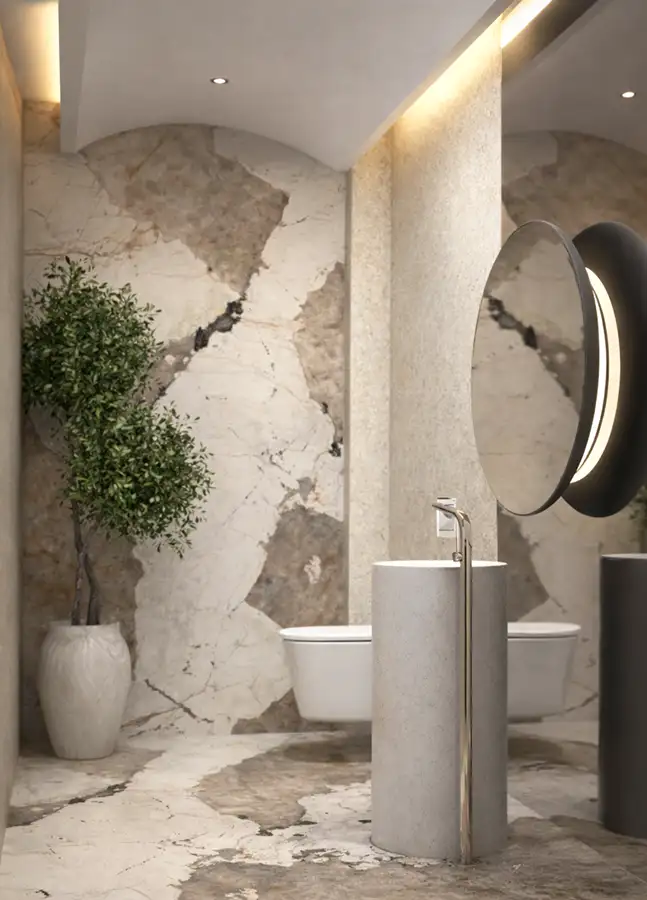
- Natural stone surfaces
- Hardwood flooring
- Imported tiles
- Designer lighting fixtures
- Luxury wall treatments
- High-performance fabrics
- Custom millwork
Quality materials not only enhance the appearance of a home but also contribute to long-term durability and value.
Construction and Renovation Requirements
Homes undergoing major renovations often require additional work beyond interior design.
These may include:
- Demolition
- Structural improvements
- Electrical upgrades
- Plumbing modifications
- Ceiling works
- Flooring replacement
- Built-in construction
The complexity of construction requirements directly affects project timelines and costs.

Residential Interior Design vs. Design-Build Services
Many homeowners are unfamiliar with the difference between hiring an interior designer and working with a design-build firm.
Interior Design Services
Interior designers focus on:
- Space planning
- Design concepts
- Material selection
- Furniture specification
- Aesthetic development
Design-Build Services
Design-build firms provide:
- Interior design
- Construction management
- Contractor coordination
- Procurement
- Project supervision
- Turnkey project delivery
A design-build approach often creates a more streamlined experience by reducing communication gaps and ensuring consistency from design through construction.
Why Professional Interior Design Is a Valuable Investment
Many homeowners view interior design as a luxury, but professional design can provide substantial long-term benefits.
Better Space Utilization
Professional designers maximize every square meter of a home, improving flow, functionality, and comfort.
Increased Property Value
Well-designed homes often maintain stronger market appeal and can command higher resale values.
Reduced Costly Mistakes
Design planning helps prevent expensive changes during construction and ensures that decisions are made strategically rather than reactively.
Cohesive Design Vision
Professional guidance creates a unified aesthetic throughout the home, resulting in a more polished and timeless environment.
Improved Quality of Life
Thoughtful design enhances daily living by creating spaces that support family routines, productivity, relaxation, and entertaining.


Residential Projects We Design
Residential interior design services can be tailored to a wide variety of homes, including:
Luxury Homes
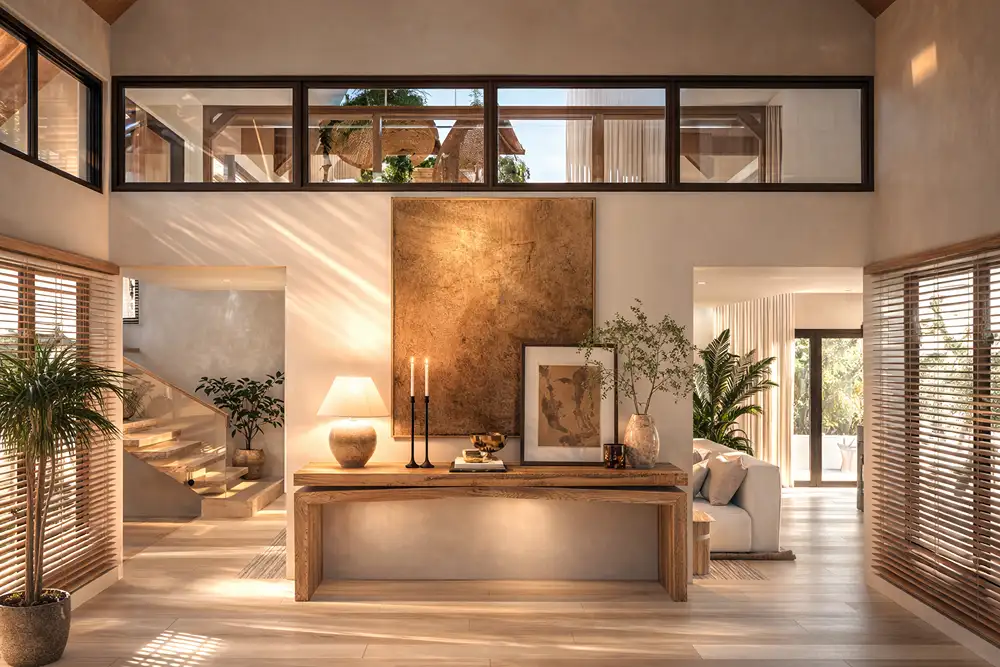
Custom-designed residences that prioritize elegance, comfort, and exceptional craftsmanship.
Contemporary Homes
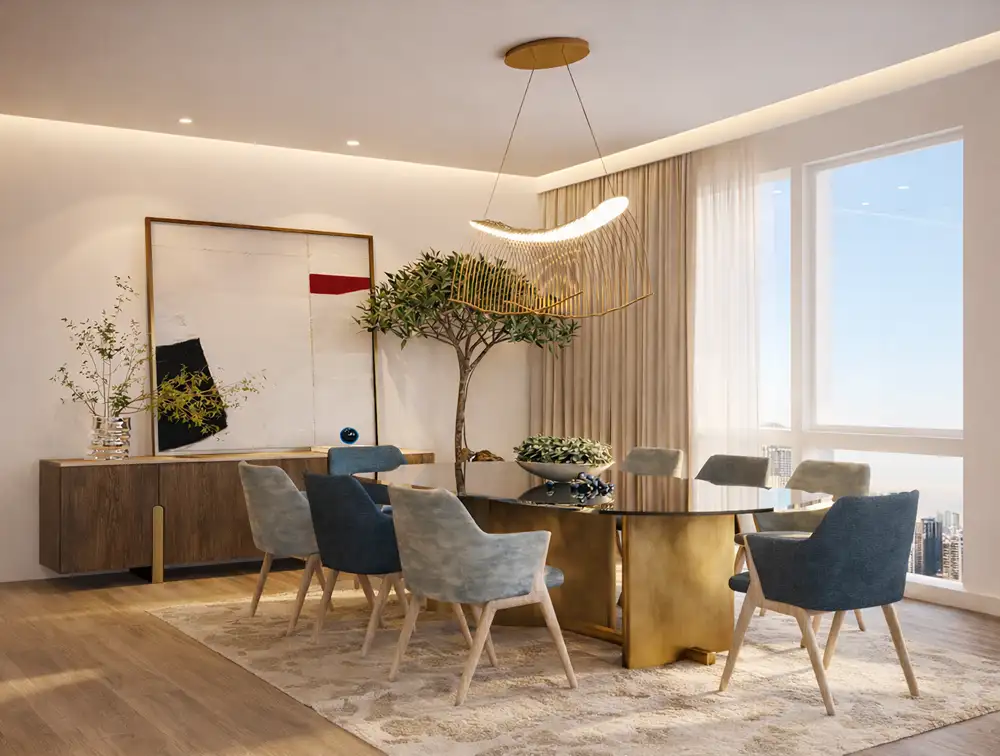
Modern interiors featuring clean lines, functional layouts, and sophisticated finishes.
Modern Tropical Homes
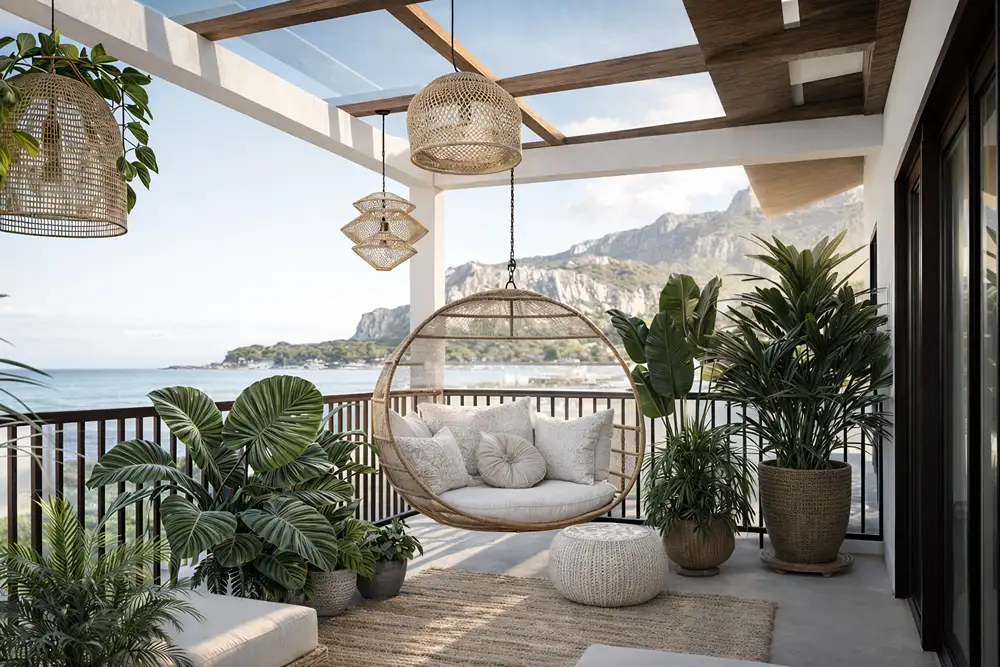
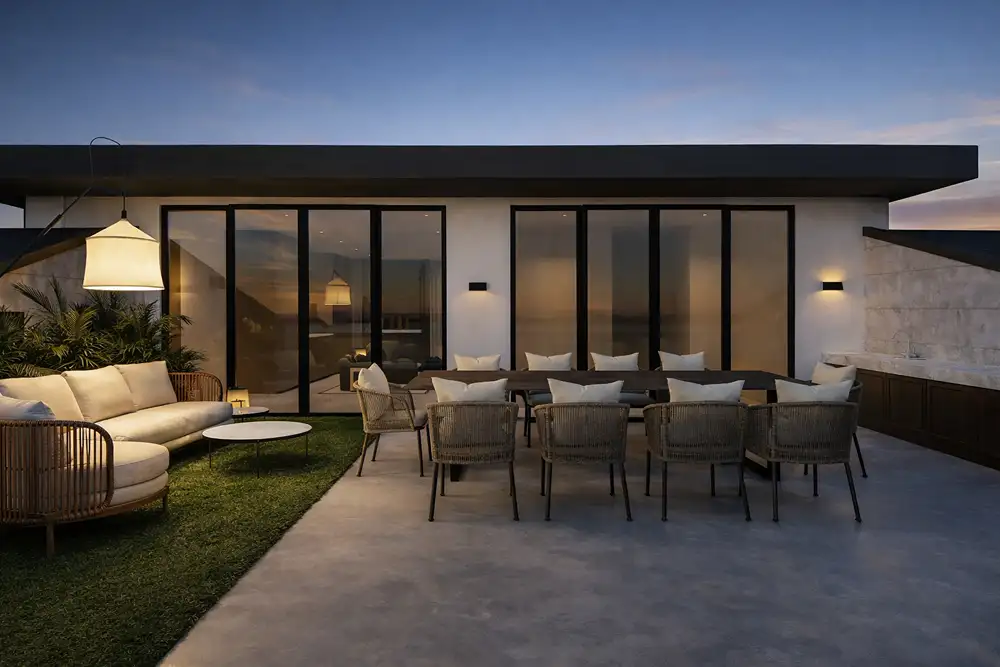
A popular design approach in the Philippines that combines natural materials, abundant daylight, and indoor-outdoor living.
Family Homes
Practical and stylish environments designed to support everyday family life.
Vacation Properties
Resort-inspired residences that provide relaxation, comfort, and a strong connection to the surrounding environment.
Home Renovations
Transforming existing spaces to improve functionality, aesthetics, and long-term value.


Working with an Interior Designer in the Philippines
Choosing the right interior design partner is one of the most important decisions homeowners can make.
When evaluating a design firm, consider:
- Experience and portfolio
- Design philosophy
- Project management capabilities
- Design-build expertise
- Quality of workmanship
- Communication process
- Ability to understand your lifestyle and goals
A successful project relies on collaboration, trust, and a shared vision between the homeowner and design team.


Frequently Asked Questions
How much does residential interior design cost in the Philippines?
Costs vary depending on the size of the property, project complexity, scope of work, level of customization, and material selections. A professional consultation is the best way to determine a budget tailored to your specific project.
Is interior design worth the investment?
Yes. Professional interior design can improve functionality, enhance aesthetics, increase property value, and help avoid costly construction mistakes.
Can interior designers work with existing homes?
Absolutely. Interior designers can assist with renovations, remodeling projects, and upgrades to improve the appearance and performance of existing residences.
Do interior designers provide construction services?
Some firms offer design services only, while design-build companies provide both design and construction management under one integrated process.
How long does a residential interior design project take?
Project timelines vary depending on size and complexity. Smaller projects may take several months, while larger custom homes and full renovations often require a longer planning and implementation period.
Creating a Home Designed Around You
Every homeowner has unique needs, aspirations, and lifestyles. Professional residential interior design helps transform ideas into thoughtfully planned spaces that balance beauty, functionality, and lasting value.
Whether you are building a new residence, renovating an existing home, or creating a luxury retreat, investing in professional interior design ensures that every detail contributes to a home that is truly your own.