When planning a residential, condominium, corporate, or commercial project, one of the most important decisions you will make is choosing the right project delivery method. Two of the most common approaches are Design-Build and Traditional Construction, also known as the Design-Bid-Build method.
While both approaches can deliver successful projects, they differ significantly in terms of communication, project management, timelines, accountability, and overall client experience.
Understanding the differences between Design-Build and Traditional Construction can help property owners make informed decisions that align with their goals, budget, and expectations.
What Is Design-Build?
Design-Build is an integrated project delivery method where a single company is responsible for both the design and construction phases of a project.
Instead of hiring separate professionals for design and construction, clients work with one team that manages the entire process from concept development to project completion.
Under a Design-Build approach, the same organization handles:
- Interior design
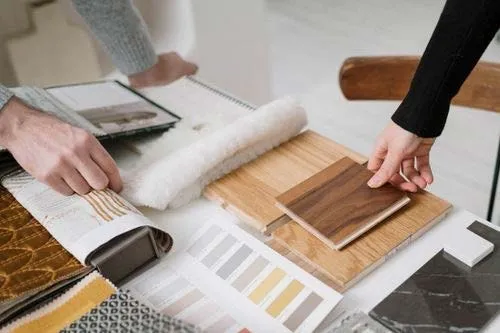
- Space planning
- Design development
- Material specifications
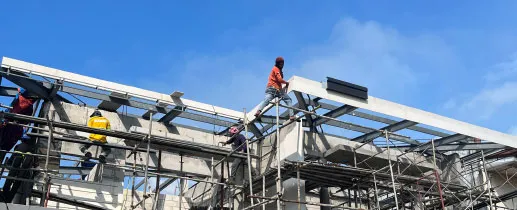
- Construction management
- Procurement
- Project supervision
- Quality control
- Project turnover
This creates a streamlined process with a single point of accountability throughout the project.
What Is Traditional Construction?
Traditional Construction, often referred to as Design-Bid-Build, separates the design and construction phases.
In this model, the client typically:
- Hires an architect or interior designer.
- Completes the design and construction documents.
- Obtains contractor bids.
- Selects a contractor.
- Begins construction.
The designer and contractor operate as separate entities, often under separate agreements with the client.
While this method has been widely used for decades, it requires greater coordination between multiple parties throughout the project.
Key Differences Between Design-Build and Traditional Construction
Single Point of Responsibility
Design-Build
The Design-Build firm is responsible for both design and construction. Clients communicate with one team throughout the project.
Benefits include:
- Simplified communication
- Faster decision-making
- Greater accountability
- Reduced administrative burden
Traditional Construction
Designers and contractors operate independently.
This may result in:
- Multiple points of contact
- Increased coordination requirements
- Potential communication gaps
- Shared responsibility when issues arise
Project Timeline
Design-Build
Design and construction phases can overlap, allowing certain activities to begin while design development continues.
Advantages include:
- Faster project completion
- Reduced delays
- Improved scheduling efficiency
Because designers and builders work together from the start, implementation can proceed more smoothly.
Traditional Construction
Construction cannot begin until the design phase is fully completed and contractors have been selected.
This often results in:
- Longer project timelines
- Additional bidding periods
- Potential scheduling delays
For clients with strict deadlines, this extended process may be a disadvantage.
Budget Management
Design-Build
Budget considerations are integrated into the design process from the beginning.
The project team can:
- Recommend cost-effective solutions
- Adjust designs based on budget objectives
- Evaluate material alternatives
- Reduce unexpected expenses
This collaborative approach often helps maintain better cost control throughout the project.
Traditional Construction
Costs are typically determined after the design phase is completed.
As a result:
- Construction bids may exceed expectations
- Design revisions may become necessary
- Budget adjustments can delay project progress
The separation between design and construction may create challenges when balancing design ambitions with financial realities.
Communication and Collaboration
Design-Build
Designers, project managers, procurement specialists, and construction teams collaborate from the start.
Benefits include:
- Better coordination
- Faster problem-solving
- More efficient project execution
- Improved workflow between teams
Clients benefit from a more unified and transparent process.
Traditional Construction
Communication occurs between multiple parties, including:
- Client
- Designer
- Contractor
- Suppliers
- Consultants
The client often serves as the central coordinator between these groups, which can increase complexity and administrative involvement.
Risk Management
Design-Build
Since one company oversees both design and construction, accountability is clearly defined.
Advantages include:
- Fewer disputes
- Faster issue resolution
- Better project coordination
- Greater consistency between design intent and construction execution
Traditional Construction
When issues arise, responsibility may be divided between designers and contractors.
Common challenges include:
- Design interpretation disputes
- Construction change orders
- Coordination conflicts
- Delays caused by approval processes
This can increase project risk and prolong decision-making.
Quality Control
Design-Build
An integrated team ensures that the design vision is maintained throughout implementation.
Benefits include:
- Consistent design execution
- Better construction oversight
- Improved quality assurance
- Greater alignment between plans and final results
Traditional Construction
Because design and construction are managed separately, maintaining consistency often requires additional oversight and coordination.
Quality can vary depending on contractor interpretation and project management practices.
Which Approach Is Better for Residential Projects?
For homeowners building a new residence or renovating an existing property, Design-Build often provides a more streamlined and efficient experience.
Advantages include:
- One trusted partner throughout the project
- Simplified communication
- Better budget control
- Faster project delivery
- Consistent design execution
This is particularly beneficial for busy professionals, overseas homeowners, and clients seeking a turnkey solution.
Which Approach Is Better for Commercial and Corporate Projects?
Commercial and corporate environments often involve complex schedules, operational requirements, and multiple stakeholders.
Design-Build can help organizations:
- Minimize project disruptions
- Accelerate occupancy timelines
- Maintain stronger budget control
- Improve coordination between design and construction teams
This makes it a popular choice for office fit-outs, retail environments, hospitality spaces, and commercial developments.
Frequently Asked Questions
Is Design-Build more expensive than Traditional Construction?
Not necessarily. While every project is different, Design-Build often improves cost efficiency by integrating budget planning into the design process and reducing costly changes during construction.
Does Design-Build limit design creativity?
No. A professional Design-Build firm combines creative design expertise with practical construction knowledge, allowing innovative ideas to be executed more effectively.
Is Traditional Construction still a good option?
Traditional Construction can be effective for certain projects, particularly when clients prefer to manage separate design and construction teams. However, it often requires greater involvement and coordination.
Why do homeowners choose Design-Build?
Many homeowners appreciate the convenience of working with a single team responsible for both design and construction. This often leads to smoother communication, better accountability, and a more efficient project experience.
The Value of an Integrated Design-Build Approach
Choosing between Design-Build and Traditional Construction ultimately depends on your project goals, timeline, and preferred level of involvement. For many residential, condominium, corporate, and commercial projects, Design-Build offers a more collaborative, efficient, and client-focused process.
By bringing design and construction together under one team, clients benefit from clearer communication, stronger accountability, improved budget management, and a seamless journey from concept to completion.