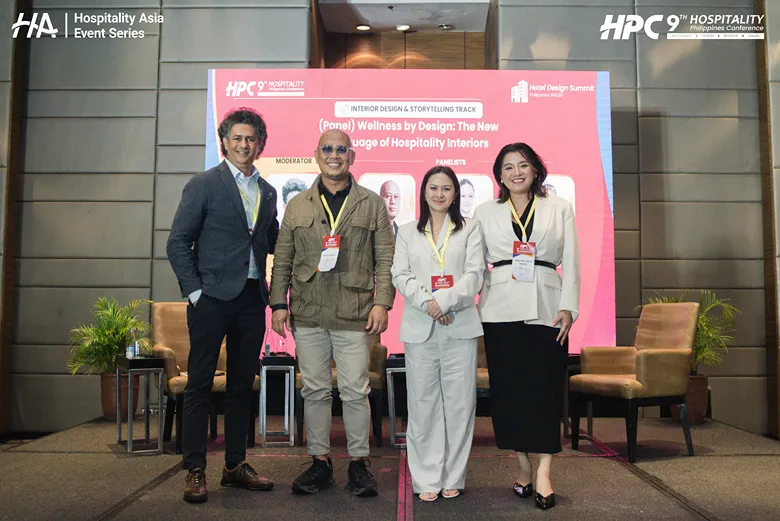
Travelers today are asking for something more than a beautiful room. They want spaces that help them sleep better, breathe easier, and leave feeling restored rather than depleted. This shift was front and center at the 9th Hospitality Philippines Conference (#HPC2026), held on 9–10 September 2026 at Marriott Manila, where interior design experts, architects, and hospitality leaders gathered under the Hotel Design Summit to explore how physical spaces can actively support guest well-being.
Among the voices shaping this conversation was Dr. Iris Ocampo, Principal Interior Designer at IEO Studio Inc., whose session, “Wellness by Design: The New Language of Hospitality Interiors,” examined how holistic wellness metrics are being woven directly into guest rooms and shared spaces. The message was clear: aesthetics alone no longer define a great hospitality experience. The next competitive edge lies in design that supports the guest’s physical and mental state from the moment they walk in.
For hoteliers, developers, and designers, this raises a practical question — how do you actually build “wellness” into a space without it becoming a buzzword? Let’s break it down.
Why Guest Expectations Have Outgrown Aesthetics
For decades, hospitality design prioritized visual impact: dramatic lobbies, statement lighting, and Instagram-worthy corners. These elements still matter, but they’re no longer enough on their own.
Post-pandemic travelers are more attuned to how a space makes them feel, not just how it looks. Several factors are driving this change:
- Rising health awareness — guests now associate air quality, natural light, and noise levels with their overall trip satisfaction.
- Digital fatigue — travelers are actively seeking environments that offer a break from constant stimulation.
- Longer stays and blended travel — with more guests combining work and leisure, rooms need to function as restorative spaces, not just overnight stops.
This is the backdrop against which “Wellness by Design” was discussed at HPC2026 — a recognition that guest expectations have quietly but permanently shifted.
What “Wellness by Design” Actually Means
Wellness-centric design isn’t a single feature you can bolt onto a property. It’s a layered approach that touches architecture, interiors, materials, and operations together. Broadly, it can be grouped into a few practical pillars.
1. Sensory Comfort
This covers the basics that most guests notice without naming them directly:
- Natural and adjustable lighting that supports circadian rhythms
- Acoustic design that reduces noise bleed between rooms and public areas
- Air quality improvements, including ventilation and filtration considerations
2. Biophilic Elements
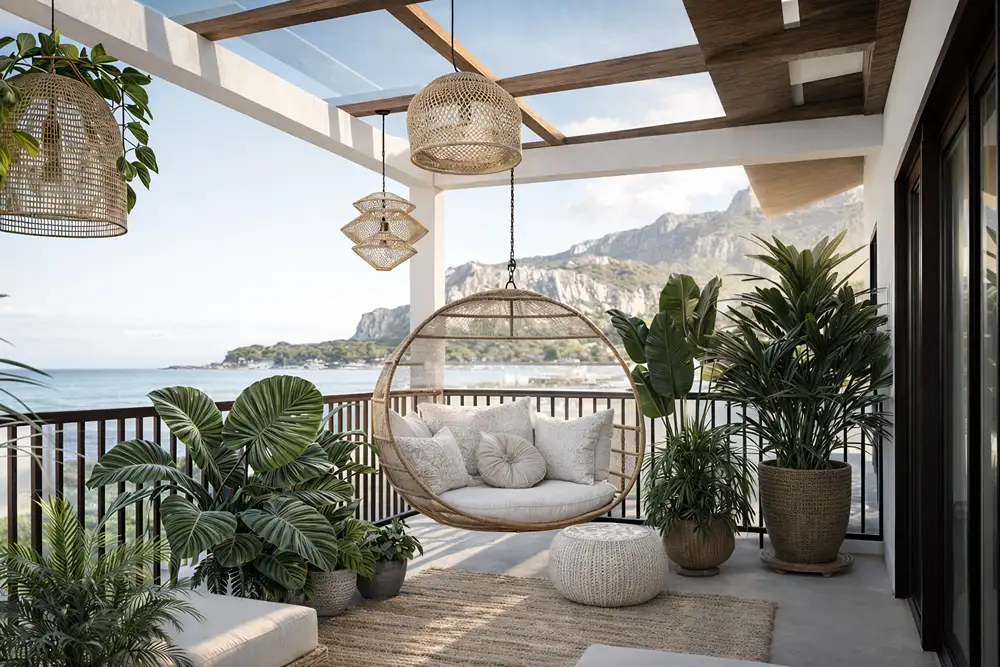
Bringing nature into built environments — through greenery, natural materials, water features, or views — has consistently been linked to lower stress levels among guests. In the Philippine context, this often means leaning into tropical materials and airflow patterns suited to the climate, rather than importing designs wholesale from temperate regions.
3. Functional Restoration Spaces
Wellness design increasingly extends beyond the spa. Guest rooms themselves are being reconsidered as recovery spaces, with layouts that support better sleep, reduce clutter, and allow guests to disconnect.
4. Climate-Responsive Architecture
Given the Philippines’ tropical setting, climate resilience and wellness are closely linked. Design that manages heat, humidity, and natural airflow well doesn’t just cut energy costs — it directly affects how comfortable and “well” a space feels to occupy.
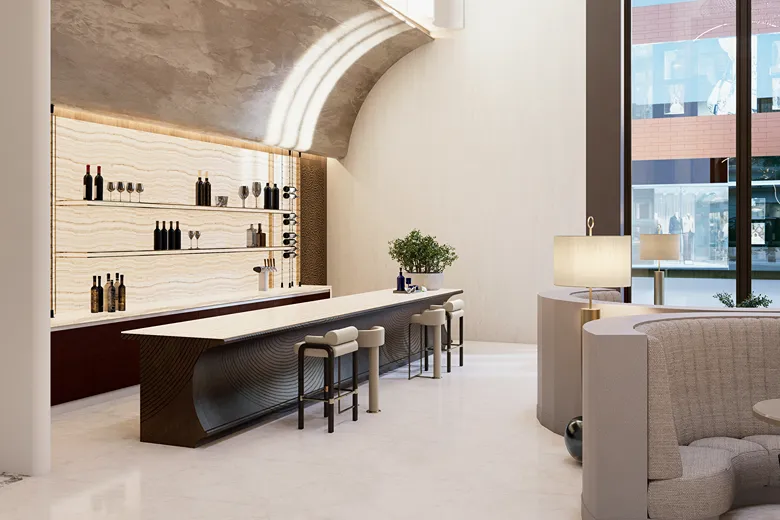
The Business Case: Wellness as a Competitive Differentiator
It’s worth addressing the practical concern hoteliers often raise: does wellness-focused design actually pay off, or is it simply a cost center?
The discussions at HPC2026’s Hotel Design Summit framed this as an investment and asset-valuation question rather than a purely aesthetic one. Design decisions made today affect a property’s long-term positioning, operational efficiency, and appeal to an increasingly discerning guest base — particularly as travelers compare properties not just on price, but on how a space is likely to make them feel.
A few reasons wellness-oriented interiors are gaining traction among developers:
- Differentiation in a crowded market. As more properties open across the Philippines, including in emerging corridors like Clark, Cebu, Baguio, Boracay, and Palawan, standing out requires more than location and price.
- Guest retention and reviews. Comfort-driven design details — sleep quality, air quality, quiet — are increasingly mentioned in guest reviews, influencing future bookings.
- Operational efficiency. Climate-resilient, wellness-oriented design choices, such as better natural ventilation, can also reduce long-term utility and maintenance costs.
Practical Starting Points for Hospitality Teams
Not every property has the budget for a full redesign, and wellness by design doesn’t require one. Teams can start with targeted, high-impact changes:
- Audit existing spaces for sensory friction points — poor lighting, noise complaints, stuffy air — and address the most commonly flagged issues first.
- Introduce natural materials and greenery incrementally, starting with high-traffic areas like lobbies and corridors before extending to guest rooms.
- Review room layouts for clutter and functionality, simplifying spaces so they feel calmer rather than crowded with amenities guests rarely use.
- Involve interior design specialists early in renovation or development planning, rather than treating design as a final layer applied after structural and operational decisions are made.
This last point matters because wellness-oriented design works best when it’s considered from the planning stage, not retrofitted afterward. Interior design, in this sense, becomes a tool for solving a broader guest-experience problem — not the end goal in itself.
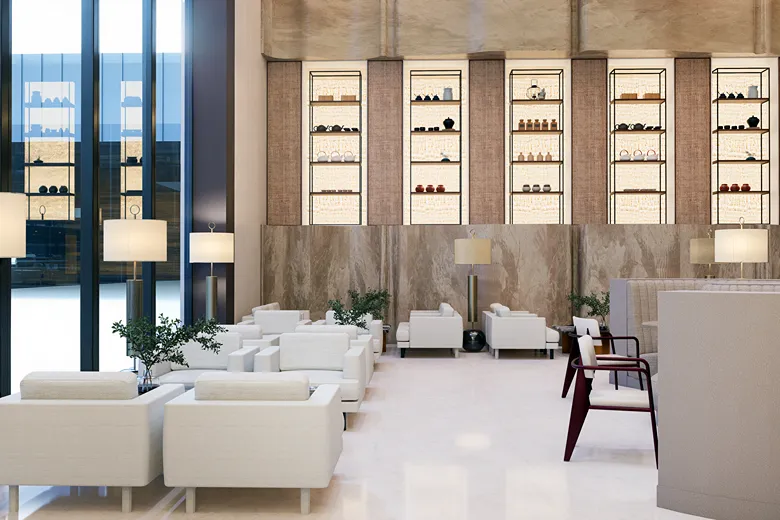
A Shift in How the Industry Talks About Design
One of the more notable takeaways from HPC2026 was the shift in vocabulary itself. Conversations that once centered on “luxury” and “style” are increasingly framed around “resilience,” “wellness metrics,” and “guest recovery.” This reflects a broader recalibration across the Philippine hospitality sector, one that treats design as directly tied to guest health, property value, and long-term sustainability — not just visual appeal.
For an industry recovering and expanding rapidly, especially into new regional destinations, this reframing matters. It suggests that the properties best positioned for the future won’t necessarily be the most visually striking, but the ones that thoughtfully balance beauty with genuine guest well-being.

Bringing It All Together
The conversations at #HPC2026 reinforced a simple but important idea: hospitality design is evolving from a purely visual discipline into one grounded in guest well-being. Sensory comfort, biophilic elements, climate-responsive architecture, and thoughtfully functional spaces are becoming the new markers of quality — alongside, not instead of, good aesthetics.
For hoteliers and developers, the takeaway isn’t to overhaul every property overnight. It’s to start asking a different question during planning and renovation: not just “how will this look?” but “how will this make guests feel?” That single shift in framing, as discussions like Dr. Iris Ocampo’s session at HPC2026 illustrate, may be what defines competitive hospitality design in the years ahead.
If your team is exploring how to bring wellness-oriented principles into your property, connecting with interior design specialists experienced in this approach is a practical next step. Firms like IEO Studio Inc., led by IDr. Iris Ocampo, bring exactly this kind of expertise — helping hospitality teams translate wellness principles into interiors that are both functional and genuinely restorative for guests.