What does it mean to carry a design legacy forward?
For the 62nd anniversary of the Philippine Institute of Interior Designers (PIID), the answer went beyond remembering milestones, honoring established names, or looking back at the profession’s history.
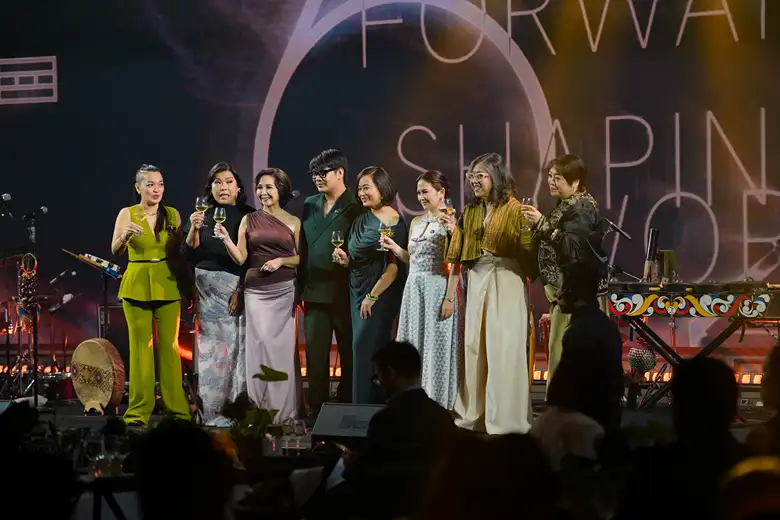
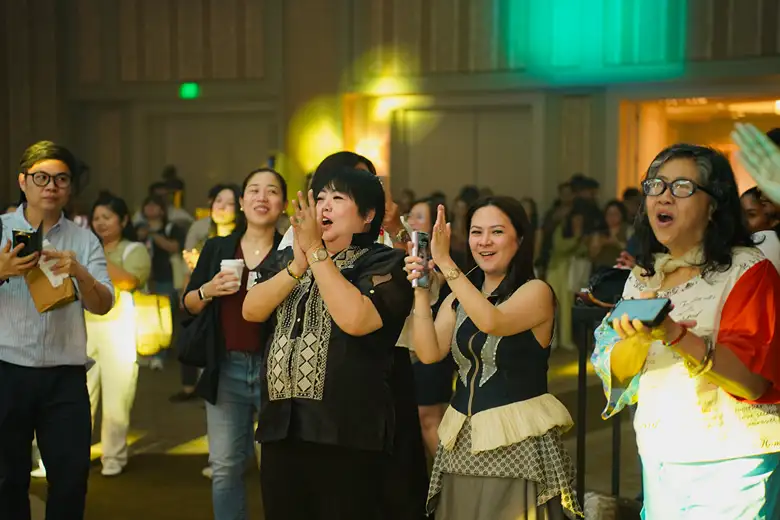
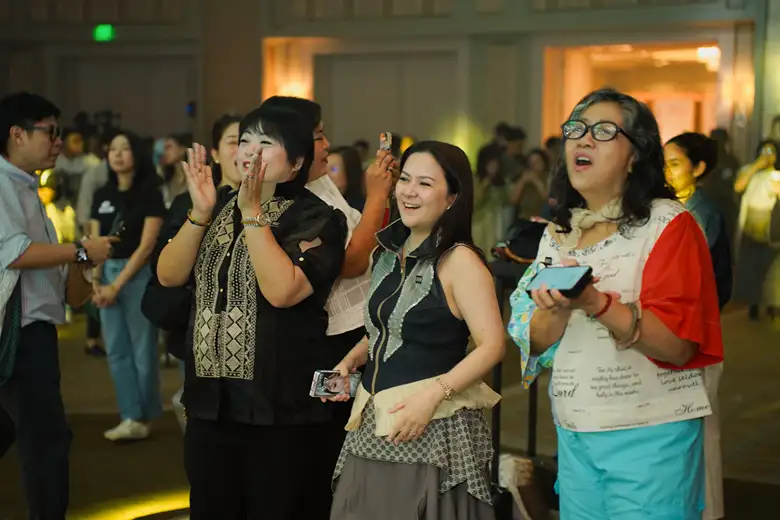
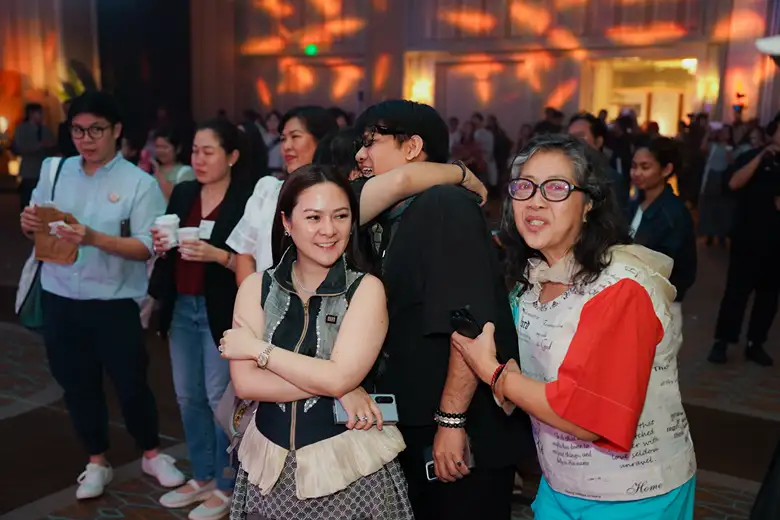
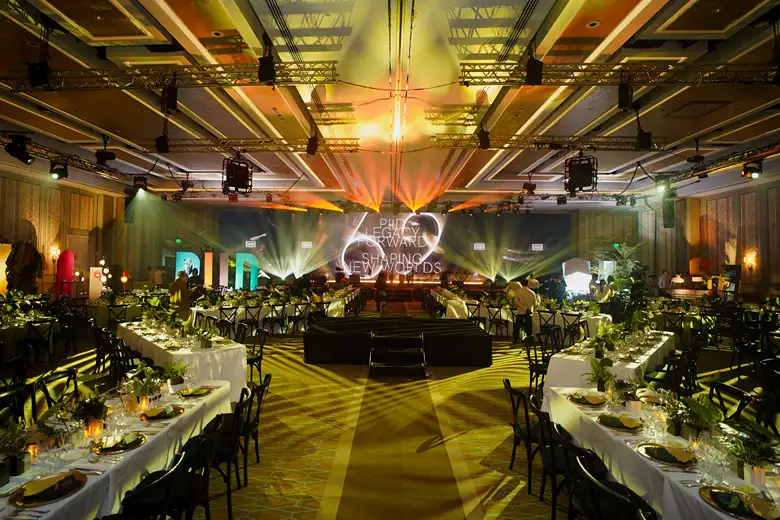
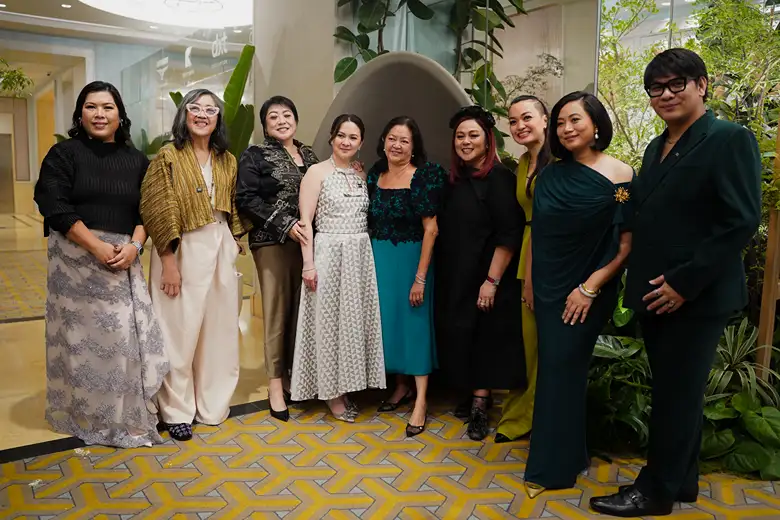
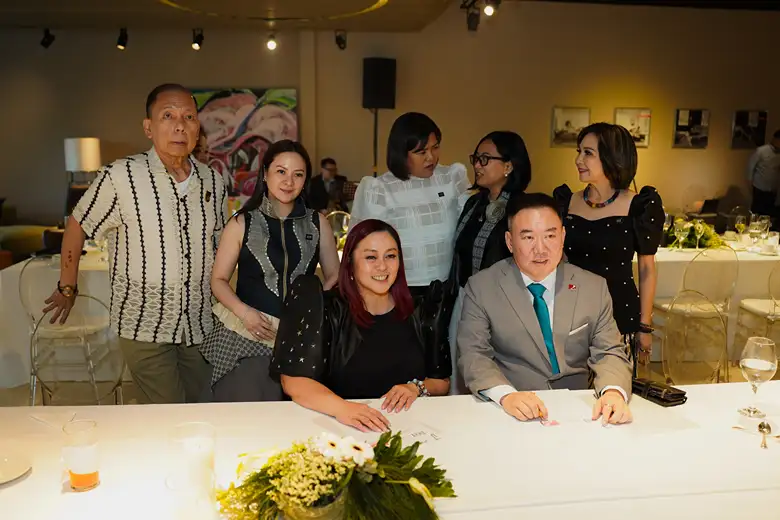
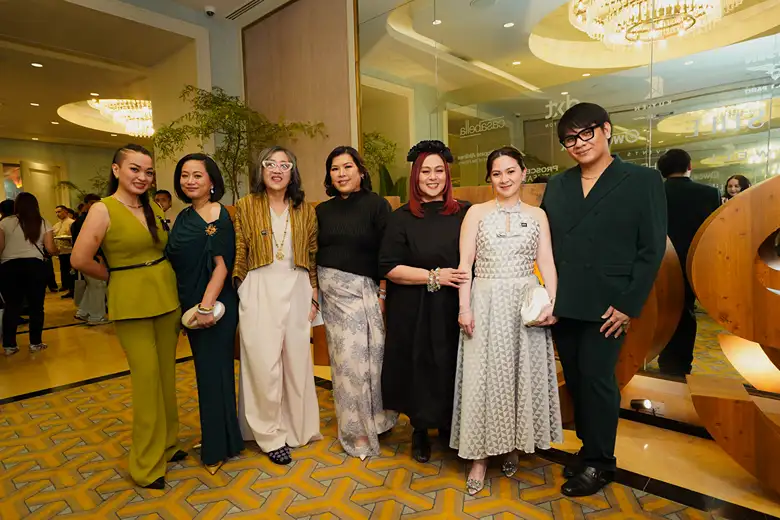
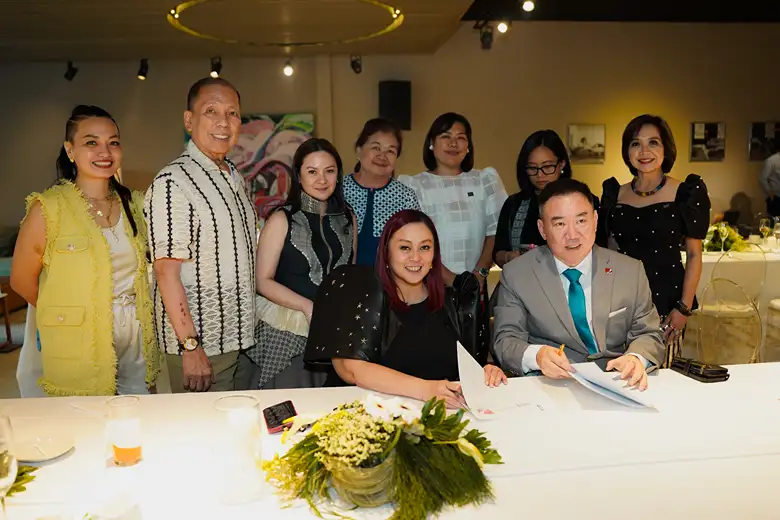
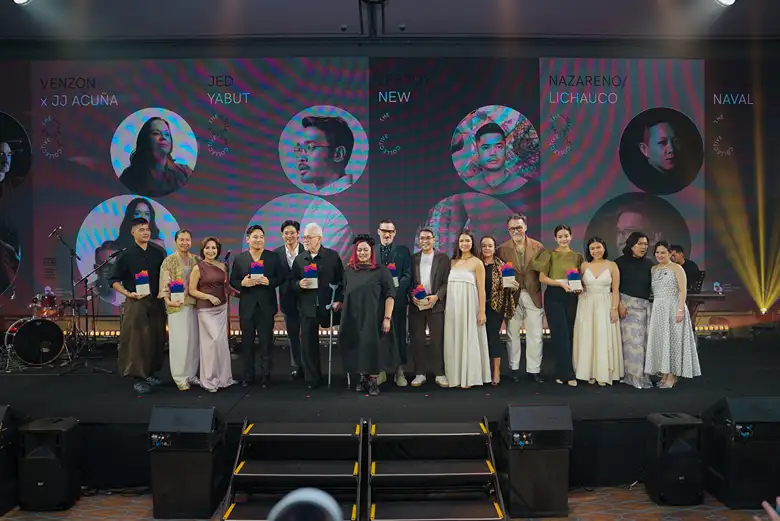
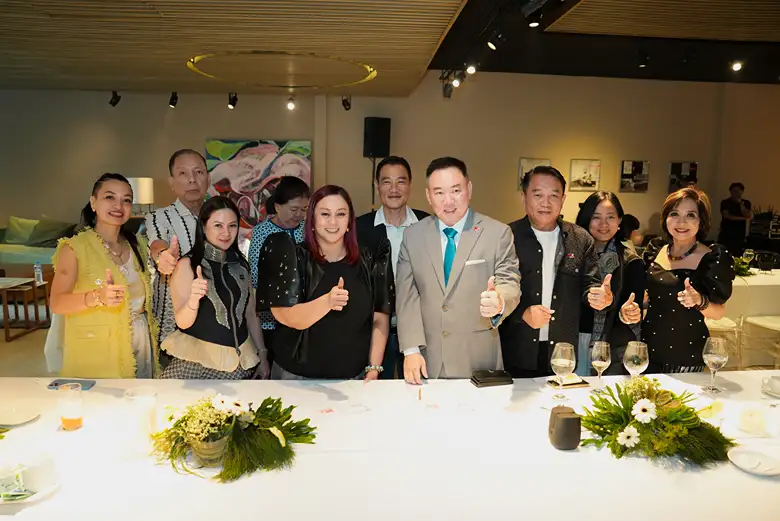
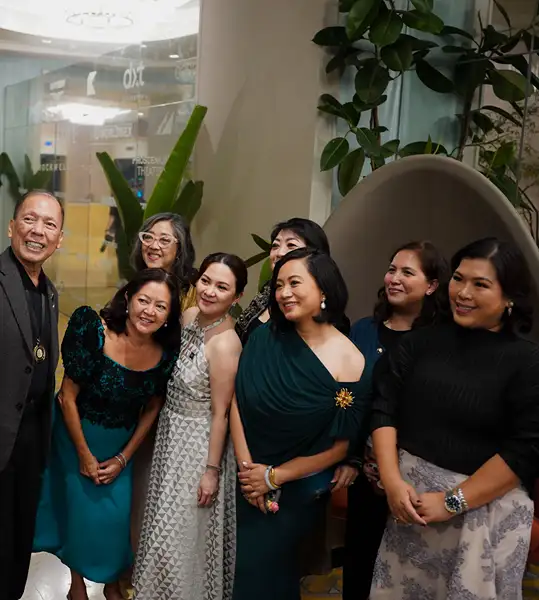
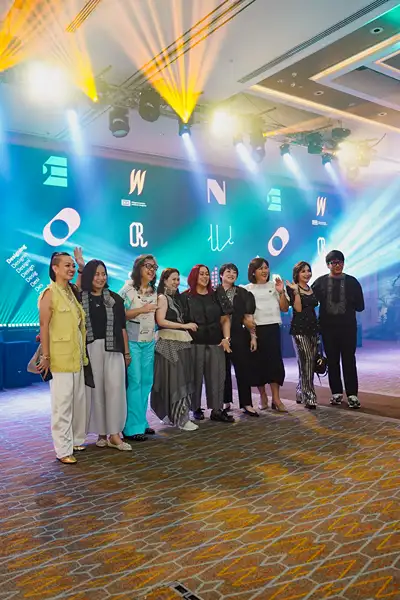
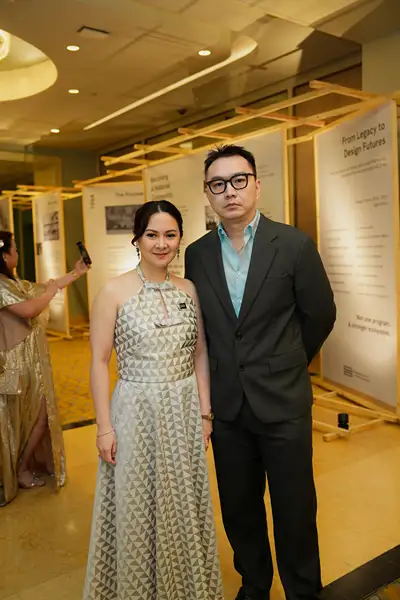
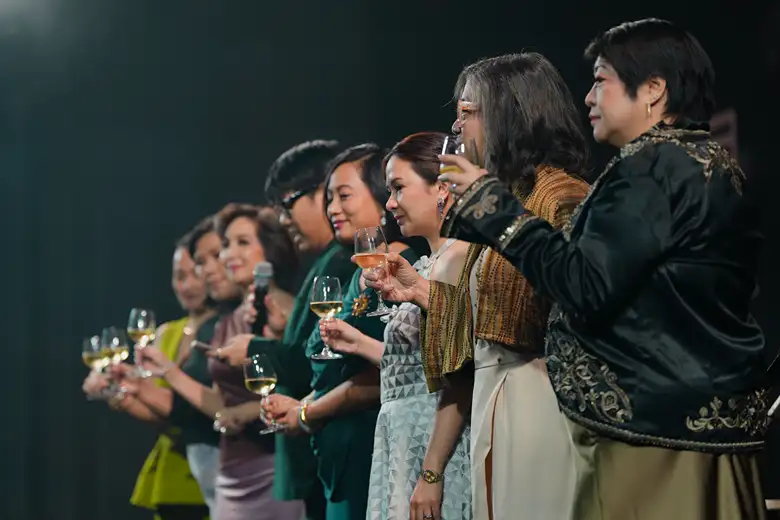
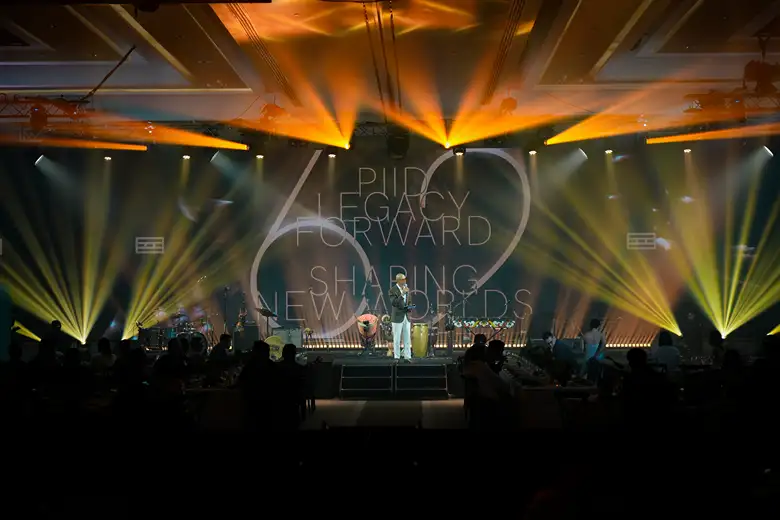
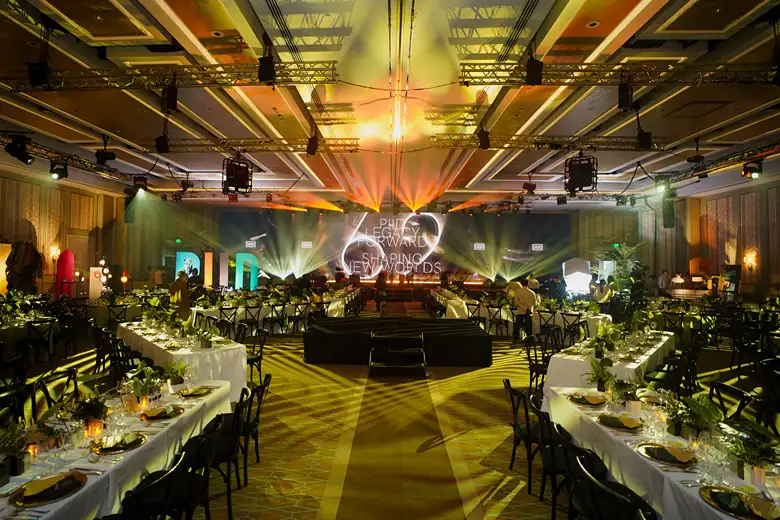
Under the theme “Legacy Forward: Shaping New Worlds,” PIID brought together generations of designers on September 30, 2026, at The Fifth at Rockwell in Makati City for an evening centered on continuity: honoring those who helped build the profession, recognizing the community carrying it forward today, and creating space for the generation that will shape what comes next.
The celebration also coincided with the opening of the 2026 Manila Interior Design Summit, which positioned Filipino design within a larger Southeast Asian and international conversation. The summit asked an increasingly important question: What can Filipino design distinctly contribute to the future?
For a profession now navigating rapid technological change, global influences, new materials, shifting lifestyles, and evolving expectations, the question of legacy is particularly relevant.
Because preserving a legacy is one thing.
Keeping it alive is another.
The Challenge: Preserving Heritage Without Becoming Stuck in the Past
Every mature design culture eventually faces the same challenge.
How do designers respect what came before without simply repeating it?
Tradition gives a professional depth. It carries accumulated knowledge about materials, proportions, craftsmanship, culture, climate, human behavior, and ways of living.
Yet design cannot remain static.
People live differently. Cities change. Technology evolves. Materials improve. Environmental concerns become more urgent. New generations develop new ways of seeing and making.
If heritage becomes something that can only be preserved exactly as it was, it risks becoming disconnected from contemporary life.
At the opposite extreme, pursuing everything new while abandoning inherited knowledge can leave design without cultural grounding.
The more meaningful approach lies somewhere between the two.
Understand what came before. Learn from it. Then allow it to evolve.
This is where the idea of Legacy Forward becomes particularly significant.
Legacy is not simply the preservation of yesterday’s work.
It is the continuation of its knowledge.

Collective 8: Filipino Craft as a Continuing Practice
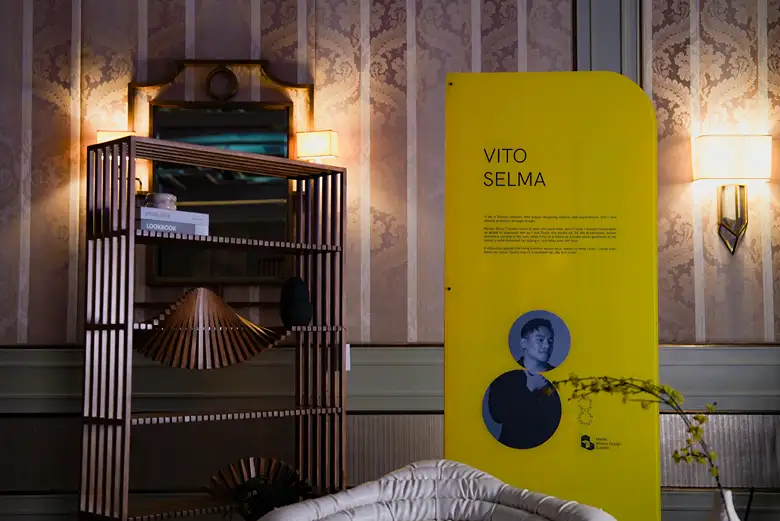
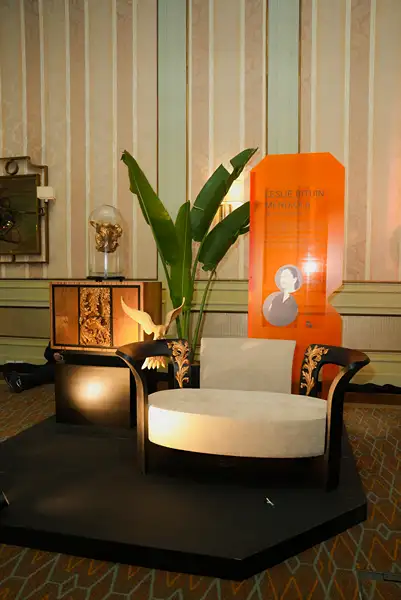
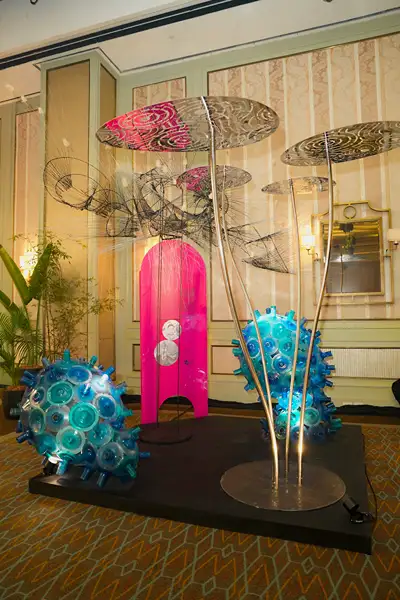
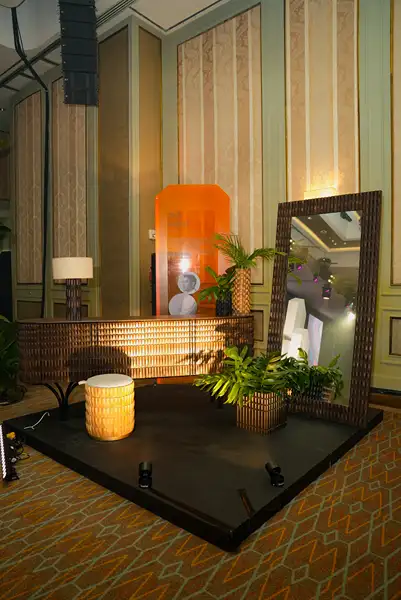
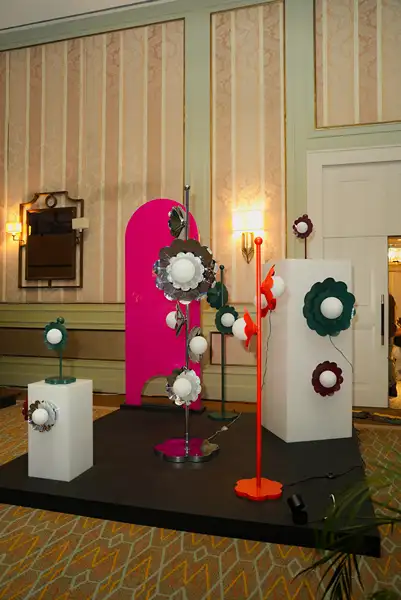
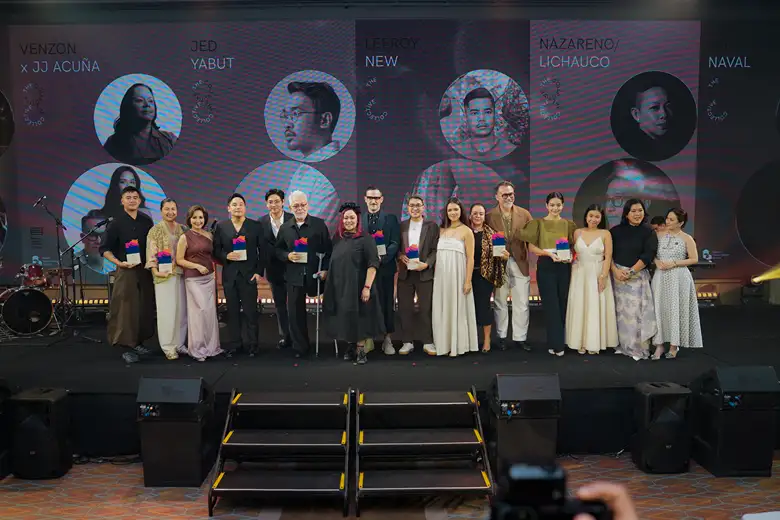
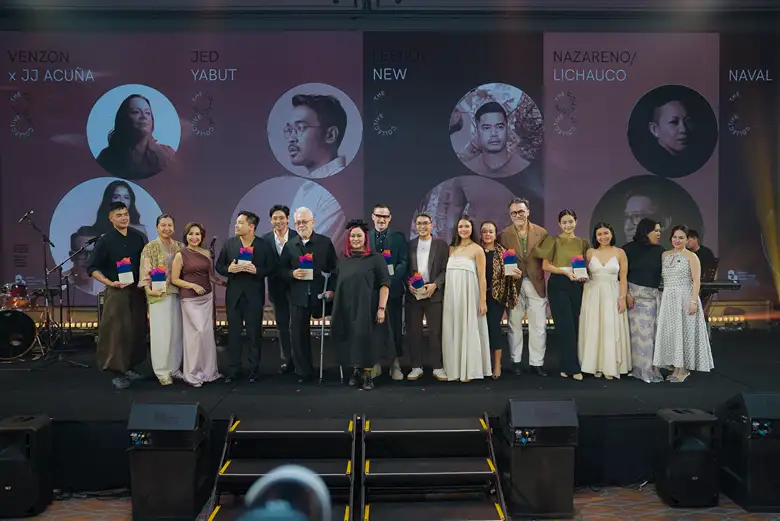
This idea became particularly visible through Collective 8, one of the highlights of the anniversary celebration.
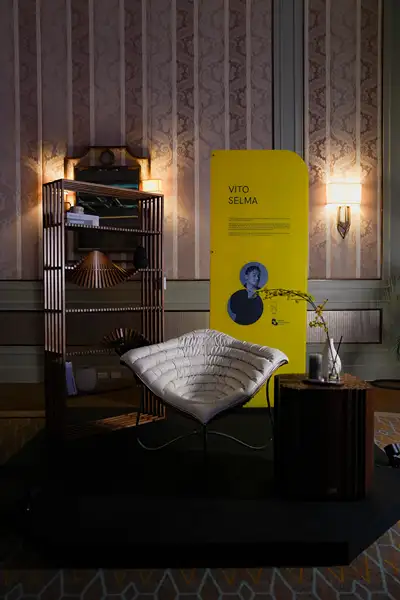
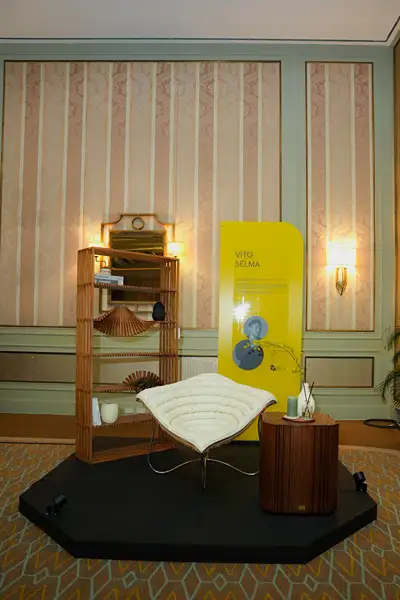
Presented as eight Filipino design voices shaping the future through craft, the exhibition brought together designers and makers whose work demonstrates different ways that materials, traditions, personal techniques, experimentation, and contemporary thinking can coexist.
The featured design voices represented:
- Vito Selma
- JB Woodcraft
- Leeroy New
- Rita Nazareno & Gabby Lichauco
- Milo Naval
- Jed Yabut
- Venzon
- Iñigo Elizalde
Each approach is made differently.
Some draw from practices developed across generations. Others have built highly personal processes through experimentation and innovation.
What connects them is not a single aesthetic.
It is the act of continuing to make.
Recent coverage of the exhibition describes Vito Selma’s work as drawing from memory and storytelling, JB Woodcraft as carrying forward Pampanga’s furniture-making tradition, Leeroy New as transforming natural and discarded materials into speculative environments, and Rita Nazareno and Gabby Lichauco as exploring memory and play through humble materials. Milo Naval, Jed Yabut, Venzon, and Iñigo Elizalde similarly demonstrate different relationships between material, technique, contemporary living, and Filipino creative identity.
Together, these practices challenge a narrow definition of craft.
Why the Number Eight Matters
The concept behind Collective 8 also gives the exhibition another layer of meaning.
There are eight design voices.
But turn the number 8 once, and it becomes ∞—a line without an end.
The symbolism speaks directly to the idea of creative inheritance.
Knowledge moves from one generation to another.
A familiar technique is learned, then refined.
A traditional material is used in an unexpected way.
A craftsman’s expertise influences a designer.
A designer develops a new process.
The next generation encounters that process and changes it again.
The result is not a straight line from old to new.
It is continuous.
Heritage moves forward.
Knowledge changes hands.
Possibility returns in another form.
And the line keeps moving.
“Craft Is Not What We Keep. It Is What We Keep Doing.”
Perhaps the clearest expression of the exhibition’s philosophy is one simple idea:
“Craft is not what we keep. It is what we keep doing.”
It shifts the conversation away from treating craftsmanship purely as something historical.
A chair can be preserved.
A textile can be archived.
An artifact can be displayed.
But craft itself exists through action.
Someone must still understand the material.
Someone must know the technique.
Someone must make the object.
Someone must experiment with it.
And eventually, someone must teach another person how to continue.
This distinction matters considerably for Filipino interior design.
The Philippines has an extraordinary range of materials, regional craft traditions, furniture-making knowledge, weaving practices, artisan communities, and local methods of construction.
Their future cannot depend exclusively on preservation.
They remain relevant when designers continue finding intelligent ways to incorporate, develop, reinterpret, and support them.

Filipino Design Does Not Need One Look
The discussion surrounding PIID’s anniversary also connects to a broader question facing the profession:
What exactly does Filipino design look like?
It is tempting to search for a recognizable formula.
Certain materials. Certain patterns. Indigenous references. Tropical elements. Familiar furniture forms.
But reducing Filipino design to a particular aesthetic can quickly become limiting.
The Philippines is too culturally, geographically, and historically diverse to be represented by one visual language.
Perhaps Filipino design is better understood through the values behind the space rather than through a checklist of objects.
How does a space welcome people?
How does it respond to climate?
How does it encourage gathering?
How does it recognize the importance of family?
How does it use materials intelligently?
How does it create comfort?
How does it balance beauty with care for the people who will actually occupy it?
These questions were central to the larger MIDS 2026 discussion. PIID President IDr. Cecil Ravelas described a Filipino understanding of space grounded in warmth, hospitality, humanity, emotion, memory, gathering, restoration, and wellbeing.
That perspective offers a more enduring definition of Filipino design than any particular style.
Styles change.
Values can travel across generations.


Craft in an Increasingly Digital Design World
The conversation becomes even more important as the design profession becomes increasingly digital.
Visualization software can now produce extraordinarily realistic environments.
Artificial intelligence can accelerate ideation.
Digital fabrication can create forms that would once have been extremely difficult to manufacture.
International references are instantly accessible.
Materials and furniture can be sourced globally.
These tools expand what designers can do.
But greater access also creates another challenge: How does design remain culturally grounded when inspiration can come from everywhere?
The answer is not to reject new technology.
Nor is it to romanticize the past.
The more productive direction is to combine technological progress with a deeper understanding of place, people, material, and culture.
Digital tools can help designers imagine more possibilities.
Craft teaches designers how things are actually made.
Global exposure can broaden perspective.
Local knowledge gives that perspective context.
Innovation becomes more meaningful when it knows what it is building upon.
The Importance of Knowledge Passing Between Generations
The future of Philippine interior design also depends on something that rarely appears in finished photographs:
knowledge transfer.
A profession grows when one generation does not force the next to begin from zero.
Young designers learn principles in school, but professional understanding develops through years of observation and practice.
They learn why certain details work.
Why others fail.
How drawings become physical spaces.
How contractors interpret information.
How materials respond over time.
How artisans understand materials differently from designers.
How a beautiful concept must eventually withstand construction, budgets, human behavior, maintenance, and everyday life.
Much of that knowledge is passed from person to person.
Through mentorship.
Through studios.
Through workshops.
Through construction sites.
Through conversations between designers, makers, engineers, architects, contractors, suppliers, educators, and clients.
That exchange is part of legacy too.
Perhaps one of the greatest responsibilities of an established design community is therefore not simply to produce excellent work.
It is to create conditions in which the next generation can produce even better work.
From Filipino Talent to a Stronger Filipino Design Voice
The discussion is particularly timely because Filipino creative talent has long participated in international design and construction industries.
Yet participation and recognition are not always the same.
One of the central ideas raised around MIDS 2026 is that the Philippines’ position in the regional design conversation is not necessarily weak, but insufficiently claimed. PIID’s 2026 program was intentionally structured to place Filipino practitioners alongside regional and international voices and to examine what the country can distinctly contribute.
This suggests another way of thinking about legacy.
Legacy is not only about protecting what already exists.
It can also give designers the confidence to articulate where they are going.
A profession that understands its history is better equipped to contribute something original to the future.
Not because every project needs to visibly announce that it is Filipino.
But because designers who deeply understand their own context can participate in global conversations without simply imitating them.

Shaping New Worlds Begins With Understanding the One We Inherited
“Shaping New Worlds” sounds inherently futuristic.
Yet meaningful futures rarely emerge from forgetting the past.
The strongest design cultures continuously negotiate between both.
They preserve techniques while finding new applications.
They respect masters while creating space for emerging voices.
They recognize tradition while encouraging experimentation.
They adopt technology without allowing it to erase human knowledge.
They understand that heritage is valuable not because it belongs to yesterday, but because it can still contribute something to tomorrow.
That is perhaps the larger significance of the PIID 62nd Anniversary.
Sixty-two years represents history.
But the greater achievement is creating a profession capable of continuing beyond it.
Legacy Forward: Keeping the Line Moving
An anniversary naturally encourages people to look backward.
At the people who built institutions.
At milestones reached.
At challenges overcome.
At the work that gradually established Philippine interior design as the profession it is today.
But Legacy Forward asks the design community to look in both directions.
To recognize the people who established the foundation.
To support those advancing the profession today.
And to prepare the emerging generation that will eventually inherit its responsibilities.
Collective 8 reinforces the same idea through craft.
Some knowledge is inherited.
Some is invented.
Some is transformed.
But all of it survives through continued practice.
The objects will change.
The technology will change.
The way people live will change.
And Filipino design will continue changing with them.
That should not be seen as a loss of tradition.
When done thoughtfully, it is precisely how tradition survives.
Craft is not simply what a generation leaves behind.
It is what the next generation chooses to continue, reinterpret, and make its own.
And that is how the line keeps moving.