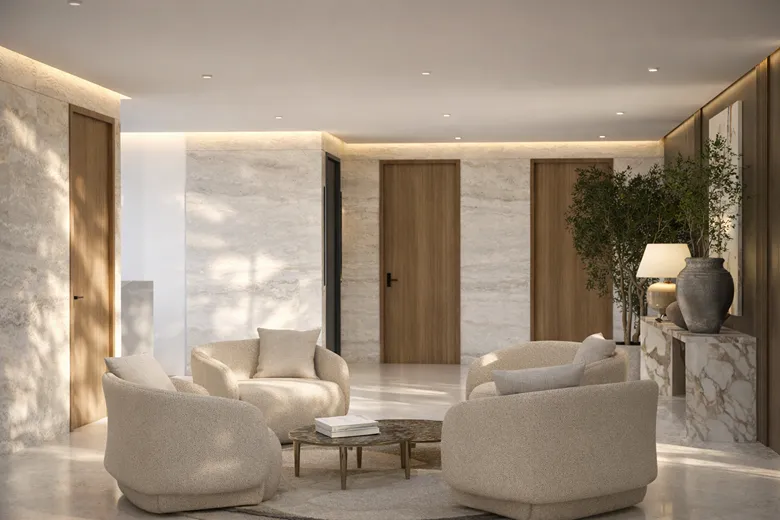
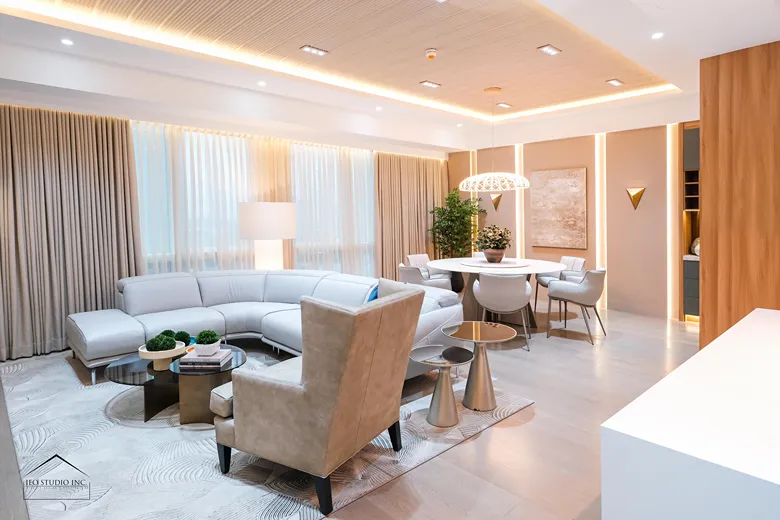
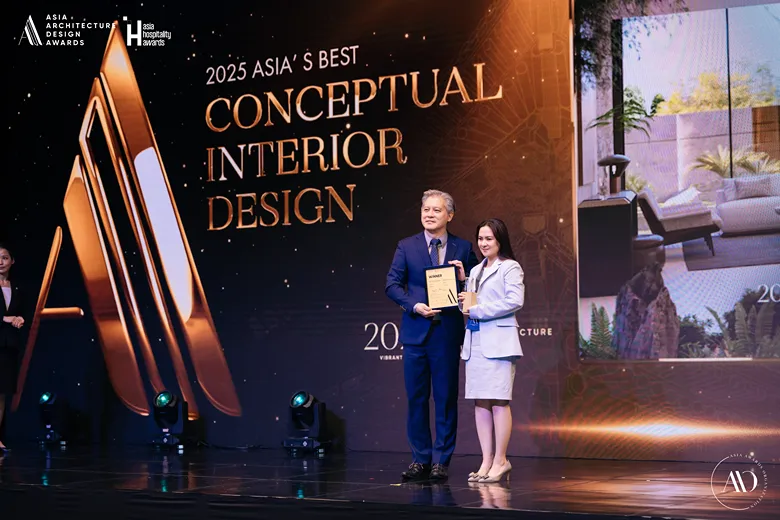
Interior design in the Philippines stands at a critical point of recognition. As cities grow denser and lifestyles evolve, the demand for well-considered, high-performing spaces has never been more evident. Yet, despite its increasing relevance, the profession continues to face a familiar challenge—misunderstanding. Too often, interior design is reduced to decoration, when in truth, it is a discipline grounded in technical expertise, spatial intelligence, and a deep understanding of human experience.
This is where the Philippine Institute of Interior Design (PIID) asserts its significance. As the country’s professional body for interior designers, PIID has long served as both steward and advocate of the profession—guiding standards, shaping discourse, and elevating the role of design in everyday life. With the introduction of its new Board of Trustees, the organization signals not only continuity in leadership, but a renewed commitment to advancing a more conscious, informed, and future-facing design culture in the Philippines.
At a time when the value of thoughtful design must be clearly understood, PIID’s role becomes more than institutional—it becomes essential.
Reframing Interior Design as a Discipline
To understand the importance of PIID is to first understand the nature of interior design itself. Far from being a surface-level exercise, interior design is a rigorous process that balances aesthetics with function, and creativity with discipline.
A professionally designed space is shaped through layers of decision-making—each one deliberate, each one accountable. It involves:
- Strategic space planning and circulation
- Technical documentation and detailing
- Integration of materials and finishes based on performance
- Lighting design that supports both atmosphere and usability
- Custom-built solutions that respond to specific needs
These are not arbitrary choices. They are resolved through study, coordination, and expertise. The result is not simply a space that looks refined, but one that works—efficiently, intuitively, and sustainably over time.
This is the distinction that defines the work of the top interior designers in the Philippines: the ability to move beyond appearance and deliver environments that are fully considered in both form and function.
The Role of PIID in Advancing Professional Practice
The Philippine Institute of Interior Design (PIID) has long served as the backbone of the profession in the country. It provides structure in an industry that requires both creativity and regulation, ensuring that interior design remains grounded in professional standards.
Its work extends across several key areas:
- Upholding ethical and professional practice
- Supporting continuing education and development
- Advocating for the recognition of licensed interior designers
- Promoting Filipino design identity within a global context
For the public, PIID offers clarity. It helps distinguish between informal design services and professional practice rooted in accountability. For designers, it provides a platform for growth and alignment. And for clients, it reinforces trust—ensuring that the individuals shaping their spaces are qualified, responsible, and guided by a defined standard of practice.
A New Leadership, A Conscious Direction
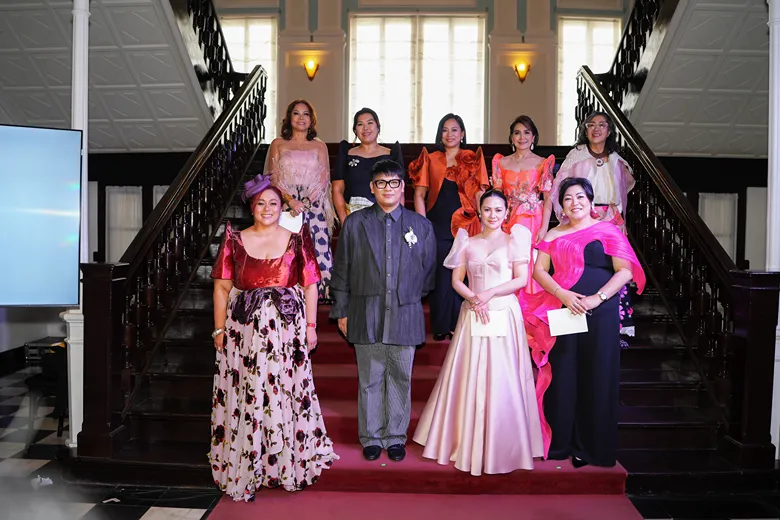
The appointment of PIID’s new Board of Trustees and Executive Directors marks a meaningful transition—one that reflects both continuity and renewed direction for the profession.
Board of Trustees
- Maria Cecilia Ravelas, PIID — National President
- Lorenzo Valencia III, PIID — National Vice President
- Iris Anne Ocampo, PIID — National Corporate Secretary
- Christianne Mutia-Cervantes, PIID — National Treasurer
Executive Directors
- Maria Victoria Almario, PIID — Public Relations
- Nina Santamaria, PIID — Professional Development
- Doris Anne Dy, PIID — Events
- Mary Ann Venturina-Bulanadi, PIID — Professional Practice & Ethics
- Joy Gladys Ejercito, PIID — Finance
This leadership composition reflects a balanced and strategic approach—one that recognizes the importance of governance, communication, education, ethics, and financial stewardship within a professional organization.
More importantly, it signals a commitment to what has been described as a more “conscious future” for Philippine interior design. This is not merely about aesthetics or trends. It is about ensuring that design remains relevant—culturally grounded, socially aware, and responsive to the realities of contemporary life.

Addressing the Awareness Gap in the Philippines
Despite the presence of regulatory frameworks and professional organizations, awareness of the interior design profession in the Philippines remains uneven. Many still approach projects without fully understanding the value of involving a licensed interior designer from the outset.
This gap often results in:
- Inefficient use of space
- Misalignment between design intent and execution
- Increased project costs due to revisions
- Short-term solutions that fail over time
These outcomes are not simply design issues—they are the result of a lack of awareness.
PIID’s continued efforts in advocacy and education are therefore critical. By informing the public about the true scope of interior design, the organization helps foster better decision-making and, ultimately, better-built environments.
Interior Design as a Long-Term Investment
For high-end clientele and property developers, interior design should not be viewed as an optional layer, but as a strategic investment. A well-designed space contributes to long-term value—both in terms of functionality and perception.
It influences:
- Daily efficiency and comfort
- Brand identity in commercial settings
- User experience in hospitality environments
- Property value and market positioning
Engaging with qualified professionals—particularly those aligned with organizations such as PIID—ensures that these outcomes are approached with rigor and foresight.
Design, when done properly, does not require constant correction. It endures.
A Collective Responsibility to Elevate the Profession
The future of interior design in the Philippines does not rest solely on practitioners. It is a shared responsibility—one that involves organizations, educators, clients, and the broader public.
To move forward, several actions remain essential:
- Strengthening public awareness of licensed interior design practice
- Supporting institutions such as PIID and their initiatives
- Encouraging collaboration across disciplines within the built environment
- Recognizing design as a critical contributor to quality of life
The appointment of the new PIID Board of Trustees is a step in this direction. It reinforces the idea that leadership, when aligned with purpose, can influence not only the profession, but the spaces that shape everyday life.
As the Philippine Institute of Interior Design (PIID) enters a new chapter under its current leadership, the direction is clear: to elevate the profession through awareness, discipline, and a deeper engagement with the realities of contemporary design.
With Maria Cecilia Ravelas, PIID, as National President; Lorenzo Valencia III, PIID, as National Vice President; Iris Anne Ocampo, PIID, as National Corporate Secretary; and Christianne Mutia-Cervantes, PIID, as National Treasurer, the organization is guided by a core leadership team entrusted with strengthening PIID’s role as a steward of professional excellence in the country. Alongside them, the Executive Directors—Maria Victoria Almario, PIID, for Public Relations; Nina Santamaria, PIID, for Professional Development; Doris Anne Dy, PIID, for Events; Mary Ann Venturina-Bulanadi, PIID, for Professional Practice & Ethics; and Joy Gladys Ejercito, PIID, for Finance—reflect the breadth of responsibilities required to sustain a professional organization with clarity, visibility, integrity, and purpose.
Together, this leadership represents more than a formal transition. It marks a renewed commitment to championing the value of interior design in the Philippines, supporting the growth of its practitioners, and educating the public on the depth and importance of the profession. Interior design, when fully understood, is not an afterthought nor a matter of surface appeal. It is an essential discipline that shapes how spaces function, endure, and enrich everyday life—and through PIID’s continued leadership, that truth is given a stronger and more public voice.