In today’s fast-paced world, high-end clients increasingly seek more than just visual appeal in their living and working spaces. Interior design has evolved beyond aesthetics to become a tool for promoting mental clarity, physical comfort, and overall wellness. But how exactly can the design of your space shape your lifestyle, impact your well-being, and elevate your productivity?
The answer lies in the principles of wellness-oriented design. Whether you’re designing a residence, home office, or luxury retreat, the choices you make in layout, lighting, materials, and decor all influence how you feel and function daily. For clients who value both high performance and high living standards, designing for lifestyle isn’t just a trend—it’s a necessity.
This article explores the connection between interior design and well-being, offering actionable lifestyle design tips to transform spaces into healthier, more productive environments. Let’s uncover how mindful design can significantly enhance the way you live and work.
Harness the Power of Natural Light
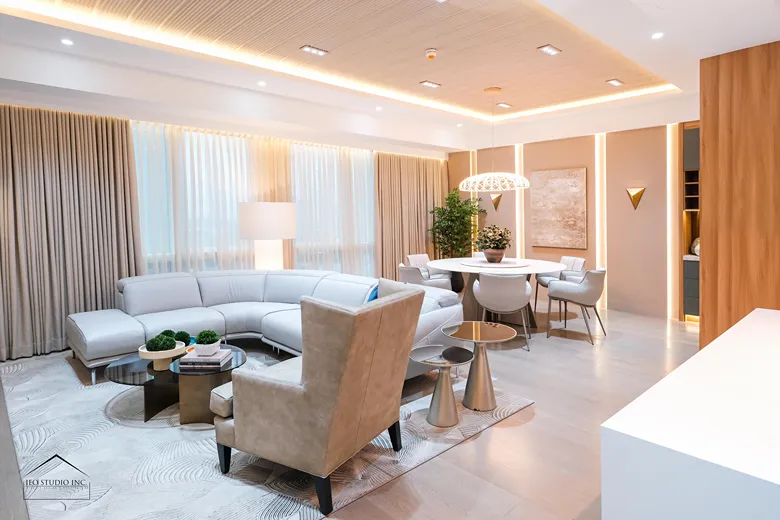
Lighting is one of the most impactful design elements when it comes to wellness. Exposure to natural light helps regulate circadian rhythms, improves mood, and enhances productivity.
- Maximize window exposure by using sheer curtains or open layouts.
- Install skylights in areas where vertical windows aren’t possible.
- Use light-reflecting materials and finishes to amplify brightness.
Natural light not only supports biological functions but also creates a calming, uplifting atmosphere.

Design for Airflow and Air Quality
Fresh, clean air is essential for well-being. Good ventilation contributes to mental alertness, physical comfort, and better sleep.
- Incorporate operable windows to encourage air circulation.
- Use air-purifying plants like peace lilies or snake plants.
- Select low-VOC paints, finishes, and furnishings to reduce indoor pollutants.
Prioritizing air quality ensures that your space supports, rather than compromises, health.

Create Restorative Color Palettes
Color psychology plays a powerful role in shaping mood and energy levels. The right palette can transform a stressful environment into a sanctuary.
- Use soft, nature-inspired hues like sage green, sand, or sky blue for relaxation zones.
- Incorporate energizing tones like warm neutrals or muted terracottas in workspaces.
- Avoid overly bright or chaotic patterns in rest areas.
Balanced color design helps cultivate emotional equilibrium throughout your day.

Incorporate Biophilic Design Elements
Biophilic design connects occupants with nature, a concept proven to reduce stress and boost cognitive function.
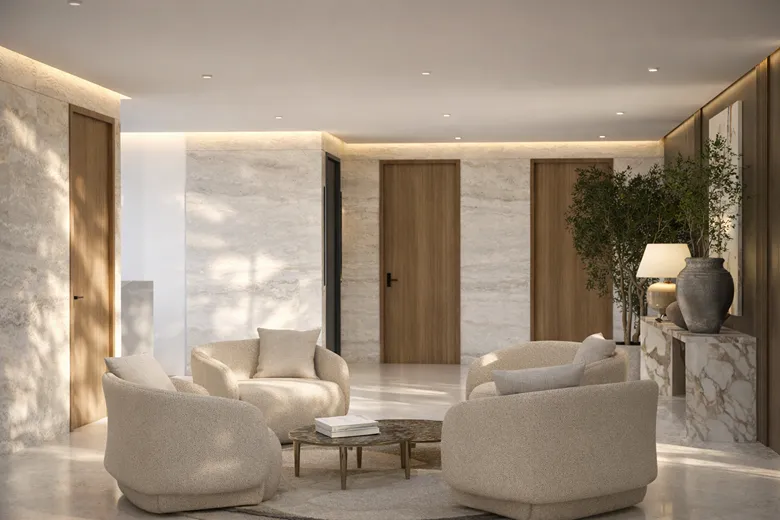
- Integrate natural materials such as wood, stone, or rattan.
- Include views of greenery or landscape wherever possible.
- Add indoor water features or living walls to bring organic textures indoors.
This connection to nature fosters calmness and boosts overall well-being.

Optimize Spatial Planning for Function
A well-designed space improves how you move, focus, and relax. Thoughtful spatial planning is critical for both wellness and efficiency.
- Designate zones for specific activities: work, rest, socializing, and self-care.
- Ensure adequate circulation space to avoid a cramped, stressful layout.
- Use modular or multi-functional furniture for flexibility.
When a space supports your routine, it enhances your lifestyle instead of disrupting it.

Curate Sensory Balance
Wellness design considers all five senses. Harmonizing texture, scent, sound, and temperature contributes to a holistic experience.
- Use layered textures like wool throws, linen drapes, and natural wood surfaces.
- Incorporate scent diffusers or candles with calming essential oils like lavender or eucalyptus.
- Consider acoustic treatments like rugs, wall panels, or soft furnishings to control noise.
A multi-sensory environment increases comfort and emotional satisfaction.
Encourage Mindful Technology Integration
Technology is essential, but it should be integrated in a way that supports—not detracts from—well-being.
- Choose smart systems that improve comfort, such as automated lighting, air conditioning, or blackout shades.
- Design hidden tech solutions like built-in speakers or concealed charging stations.
- Create screen-free zones for relaxation or meditation.
Conscious use of technology keeps your space peaceful and purposeful.

Prioritize Ergonomic Comfort
Design that considers the body’s natural posture and movement can reduce physical strain and enhance focus.
- Select seating with proper lumbar support for workspaces and lounges.
- Ensure adjustable lighting at desks or reading areas to reduce eye fatigue.
- Plan desk heights and workstations to suit daily tasks.
Ergonomics is not only functional—it’s fundamental to long-term well-being.

Interior design for wellness is about more than looks—it’s about living better. From natural light and biophilic elements to sensory balance and ergonomic comfort, every design decision plays a role in your overall health and productivity. High-end interiors that prioritize wellness are not only more livable but more meaningful.
By applying these lifestyle design tips, you can create a space that supports your goals, nurtures your well-being, and enhances everyday life. Explore more wellness design inspirations to begin your journey toward elevated, intentional living.