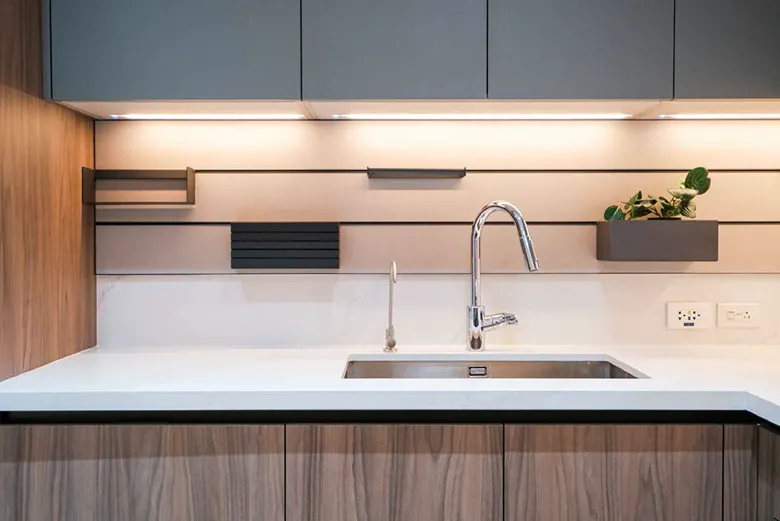
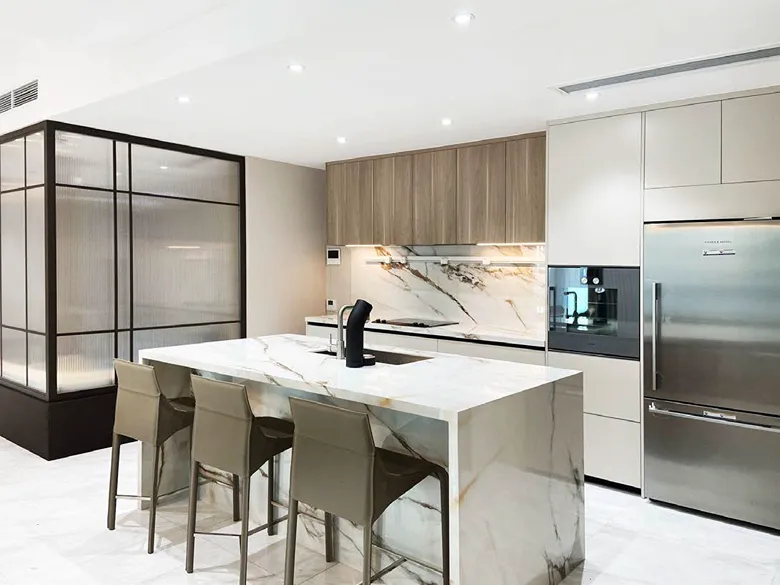
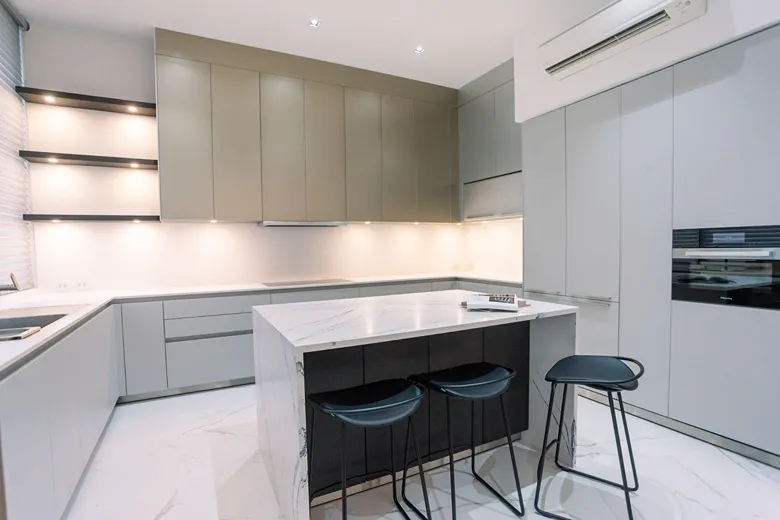
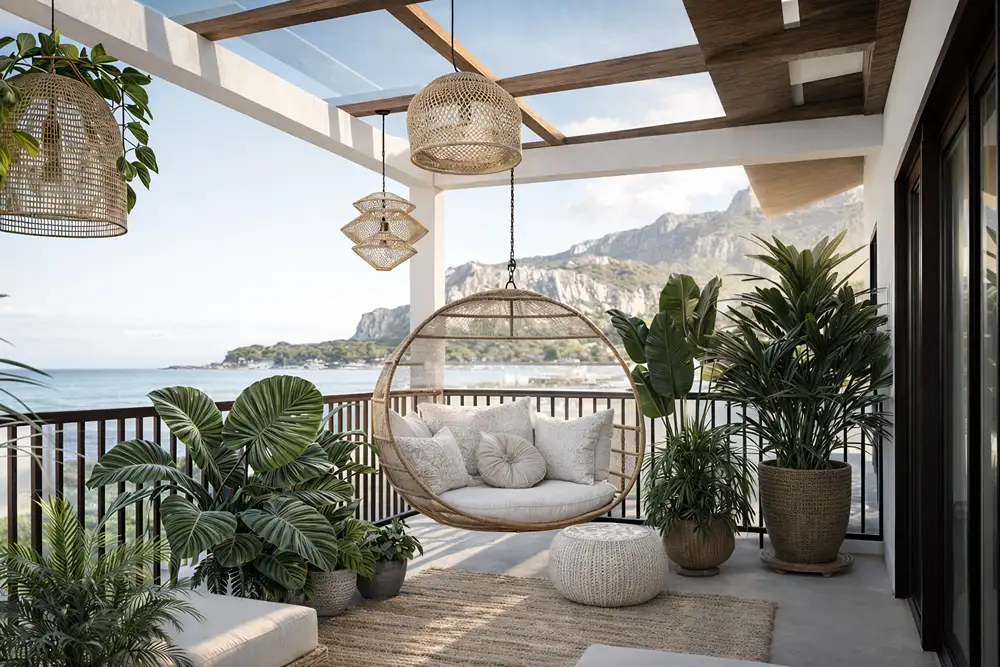
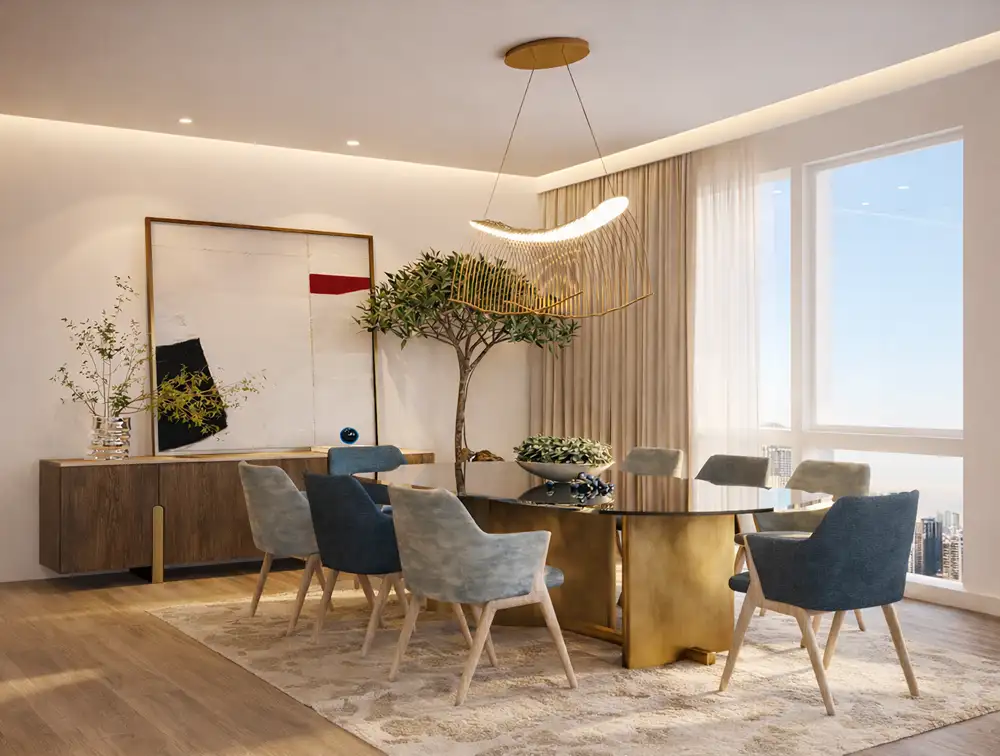
Condominium living continues to be one of the most popular housing choices in Metro Manila and major cities throughout the Philippines. Whether you have recently acquired a new unit, purchased an older condominium for investment, or want to modernize your current home, a well-planned renovation can significantly improve both functionality and property value.
However, condominium renovations differ from traditional house renovations. Condo owners must navigate building regulations, space limitations, construction restrictions, and design considerations unique to high-rise living.
This comprehensive condo renovation guide will help homeowners, investors, and overseas property owners understand the renovation process and make informed decisions before starting their project.
Why Renovate a Condominium?
Many condominium owners choose to renovate for various reasons:
- Improve space efficiency
- Update outdated interiors
- Increase property value
- Prepare a unit for resale
- Maximize rental income
- Create a more personalized living environment
- Upgrade finishes and materials
- Improve storage and organization
Whether the goal is personal enjoyment or investment performance, strategic renovations can provide substantial long-term benefits.
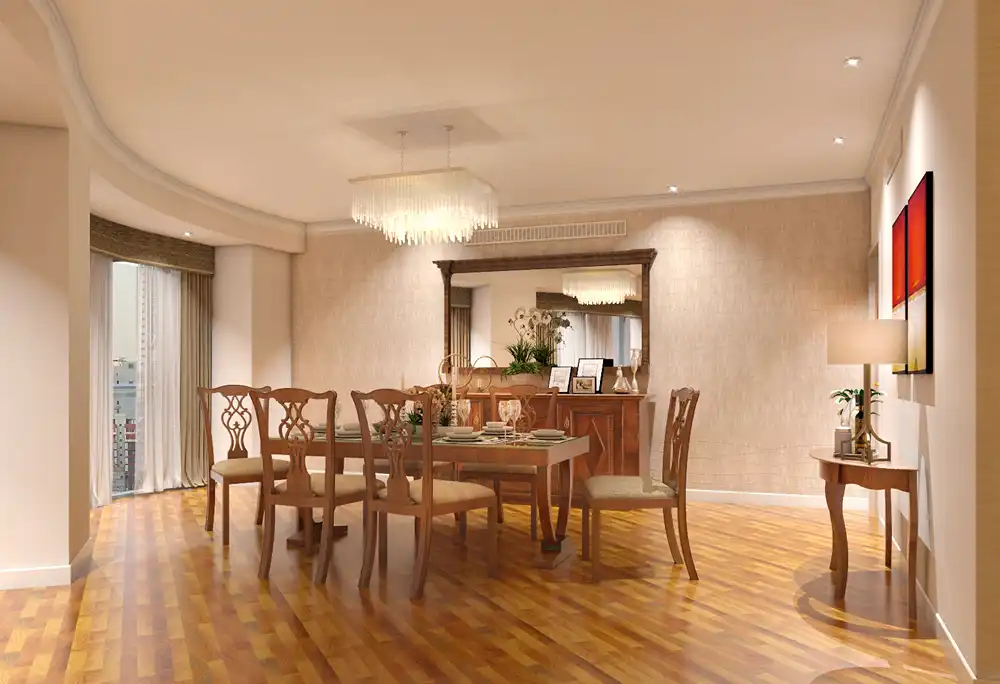
Step 1: Define Your Renovation Goals
Before selecting finishes or hiring contractors, identify the purpose of your renovation.
Common renovation objectives include:
Lifestyle Improvement
Many homeowners renovate to create spaces that better support their daily routines, hobbies, and family needs.
Property Investment
Investors often renovate to attract higher-quality tenants, increase rental rates, and improve marketability.
Modernization
Older units may require updates to improve aesthetics, functionality, and overall comfort.
Luxury Enhancement
Premium condominium owners often seek bespoke interiors, custom furnishings, and high-end finishes that elevate the living experience.
Understanding your primary goal will help guide design decisions throughout the project.

Step 2: Understand Your Building’s Renovation Guidelines
One of the most important aspects of condo renovation is complying with building regulations.
Most condominium developments require:
- Renovation permits
- Approved construction drawings
- Contractor accreditation
- Work schedule approvals
- Security clearances
- Material delivery coordination
- Waste disposal procedures
Failure to comply with building requirements can result in project delays, penalties, or work stoppages.
Always review the condominium corporation’s renovation policies before beginning any work.
Step 3: Establish a Realistic Budget
One of the most frequently asked questions is:
How much does condo renovation cost in the Philippines?
The answer depends on several factors:
- Unit size
- Scope of renovation
- Material selections
- Customization requirements
- Construction complexity
- Furniture requirements
- Building regulations
Budget planning should include:
- Design fees
- Construction costs
- Furniture and furnishings
- Appliances
- Lighting fixtures
- Contingency funds
- Permit requirements
Working with an experienced interior designer or design-build firm can help establish a realistic budget early in the process.
Step 4: Hire the Right Design and Construction Team
Choosing experienced professionals is critical to project success.
Many condo owners work with a Design-Build firm because it combines:
- Interior design
- Space planning
- Construction management
- Procurement
- Project supervision
This integrated approach often simplifies communication and improves accountability throughout the project.
When selecting a firm, evaluate:
- Portfolio quality
- Experience with condominium projects
- Project management capabilities
- Design style compatibility
- Client testimonials
- Communication process


Step 5: Maximize Every Square Meter
Space efficiency is one of the biggest challenges in condominium design.
Professional designers focus on maximizing functionality without sacrificing aesthetics.
Popular space-saving solutions include:
Built-In Storage
Custom cabinetry helps reduce clutter and maximize usable space.
Multi-Functional Furniture
Examples include:
- Storage beds
- Expandable dining tables
- Convertible sofas
- Hidden workstations
Open Layout Planning
Removing unnecessary visual barriers can create a greater sense of openness and improve circulation.
Vertical Storage Solutions
Wall-mounted shelving and floor-to-ceiling cabinetry increase storage capacity without consuming valuable floor space.


Step 6: Select Materials That Balance Style and Durability
Condominium interiors experience daily wear and tear, making material selection an important consideration.
Popular choices include:
Flooring
- Engineered wood
- Luxury vinyl planks
- Porcelain tiles
- Natural stone
Countertops
- Quartz
- Sintered stone
- Granite
- Engineered surfaces
Cabinetry
- High-pressure laminates
- Veneers
- Lacquer finishes
- Wood composites
Choose materials that align with both your design preferences and maintenance expectations.

Step 7: Improve Lighting Design
Lighting significantly influences the appearance and functionality of a condominium.
A well-designed lighting plan typically combines:
Ambient Lighting
General illumination throughout the space.
Task Lighting
Focused lighting for kitchens, workspaces, and reading areas.
Accent Lighting
Decorative lighting used to highlight architectural features and focal points.
Strategic lighting can make smaller units feel larger, brighter, and more inviting.

Step 8: Prioritize Storage and Organization
Storage is often one of the most valuable features in a condominium.
Effective solutions include:
- Built-in wardrobes
- Entry storage systems
- Hidden compartments
- Kitchen organizers
- Overhead cabinetry
- Custom shelving
Well-designed storage improves both functionality and visual appeal.
Step 9: Consider Smart Home Features
Modern condominium renovations increasingly incorporate smart home technology.
Popular upgrades include:
- Smart lighting systems
- Automated curtains
- Digital door locks
- Climate control systems
- Smart security solutions
- Voice-controlled devices
These features improve convenience, security, and overall user experience.
Step 10: Furnish and Style the Space
The final stage of renovation involves transforming the completed interior into a cohesive living environment.
This includes:
- Furniture selection
- Decorative accessories
- Artwork
- Area rugs
- Window treatments
- Styling elements
Thoughtfully selected furnishings help bring the design vision to life while enhancing comfort and functionality.
Common Condo Renovation Mistakes to Avoid
Ignoring Building Regulations
Always secure the necessary approvals before beginning work.
Underestimating Storage Needs
Insufficient storage often leads to clutter and reduced functionality.
Choosing Style Over Function
Beautiful spaces should also support everyday living.
Focusing Only on Short-Term Trends
Timeless design choices often provide greater long-term value.
Hiring Inexperienced Contractors
Condominium projects require specialized knowledge of building regulations and logistics.
Frequently Asked Questions
How long does a condo renovation take?
Timelines vary depending on project scope, unit size, and building requirements. Comprehensive renovations generally require several months from design development to completion.
Can I renovate a newly turned-over condo?
Yes. Many homeowners renovate newly turned-over units to improve layouts, storage, finishes, and overall functionality.
Is renovation worth it for rental properties?
In many cases, strategic renovations can increase rental rates, improve occupancy, and enhance market appeal.
Should I hire an interior designer for a condo renovation?
An experienced interior designer can help maximize space efficiency, improve functionality, and create a cohesive design while helping avoid costly mistakes.
What is the biggest challenge in condo renovation?
Space limitations, building regulations, and coordination with condominium management are often the most significant challenges.
Transforming Your Condo Into a Better Living Space
A successful condominium renovation goes beyond aesthetics. It creates a home that supports your lifestyle, maximizes available space, and enhances long-term property value.
Whether you own a studio unit, family condominium, luxury penthouse, or investment property, careful planning and professional guidance can help ensure a smooth renovation process and exceptional results.
By understanding building requirements, establishing clear goals, and working with experienced design professionals, you can transform your condominium into a functional, beautiful, and highly personalized living environment.